那些老东西 都让我们老东西保护下来了
“Those old things were kept safe by us old folks.”
THE DIALOGUE REEL
“We don't have the costumes. We do.”
那些 老东西 都让我们 老东西 保护下来 了
“Those old things were kept safe by us old folks.”
上次还给你演过一场 你咋就忘了你 谁来敲鼓啊
“We even performed for you. How could you forget? And the drums?”
“Don't worry about the costumes and props—us old folks have kept them all safe and sound.”
In Northern Chinese colloquial speech, 'lao dongxi' (literally 'old things/old fellows') is often used playfully or as mild disparagement. However, when used self-deprecatingly or in banter among older acquaintances, it conveys an open-minded, humorous, and optimistic attitude that refuses to yield to aging. In the context of traditional opera costumes and props, it also reflects the older generation of folk artists' deep appreciation for their heritage and vintage items.
LEARNING CHUNKS & PARTICLES
refers to old items or antiques; can also serve as a playful or self-deprecating term for elderly people ('old-timers' or 'old fogeys')
Used here as a pun: the first instance refers to vintage stage costumes and props, while the second refers to the speaker's own elderly peers, giving the phrase a very down-to-earth colloquial flavor.
Indicates that an action is completed and brings about a new state, reinforcing an assertive tone.
VOCABULARY & EXPRESSIONS
Parallel Spoken Cinema Scenes (语义近邻切片)

“That old man put his hands all over you all day.”

“Those old fogies with one foot in the grave”
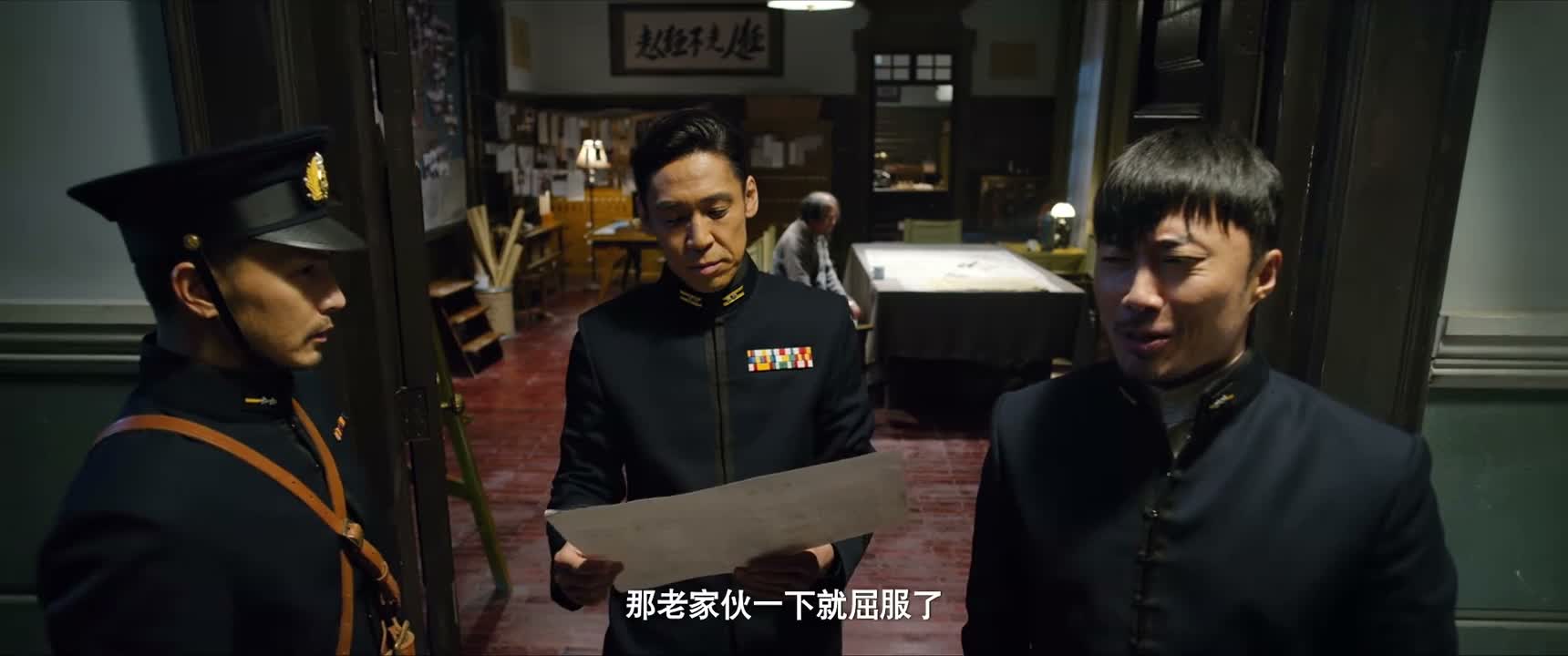
“That old man gave in immediately.”

“Look, if we old folks can just”
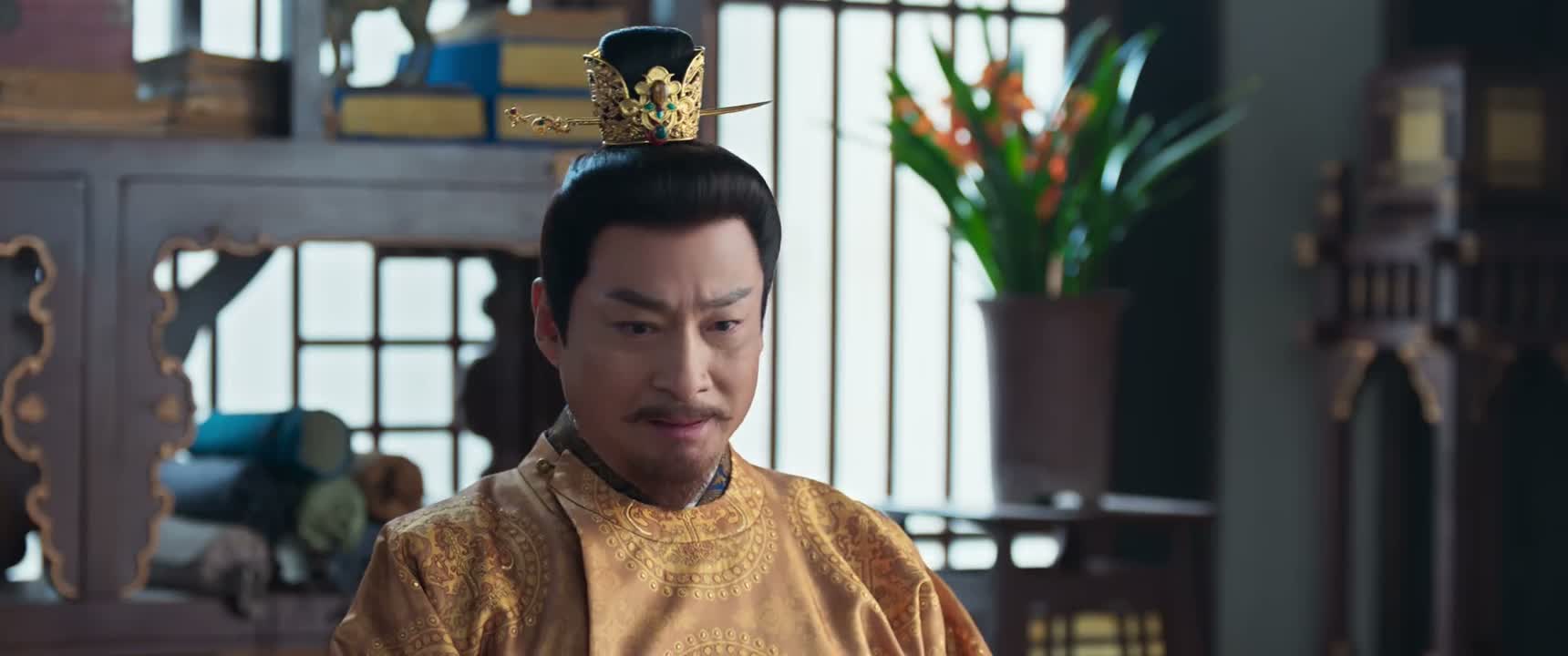
“Old people like us”