秦腔让你这种𪨊人教 那还叫秦腔吗
“A coward like you teaching Qinqiang opera, can it still be called Qinqiang opera?”
THE DIALOGUE REEL
还教人唱戏呢
“Teaching opera singing?”
秦腔让你这种 𪨊人 教 那还叫 秦腔 吗
“A coward like you teaching Qinqiang opera, can it still be called Qinqiang opera?”
那叫𪨊腔
“That's Coward opera!”
“A coward like you teaching Qinqiang? You're completely disgracing the art and unworthy of teaching it.”
A traditional Chinese opera genre originating from northwestern China (especially Shaanxi), renowned for its high-pitched, vigorous, and passionate performance style. In this context, the bold spirit of Qinqiang is used to contrast with and emphasize the speaker's contempt for weak and spineless individuals.
A Shaanxi dialect term meaning weak, cowardly, incompetent, or good-for-nothing, primarily used pejoratively to demean someone lacking backbone and courage.
LEARNING CHUNKS & PARTICLES
A rhetorical question pattern meaning 'Can that even be considered...?' or 'That completely loses the essence of...'
Frequently used in spoken Chinese to express strong denial, sarcasm, or indignation.
Placed at the end of a rhetorical question to intensify doubt, challenge, and negation.
VOCABULARY & EXPRESSIONS
Parallel Spoken Cinema Scenes (语义近邻切片)
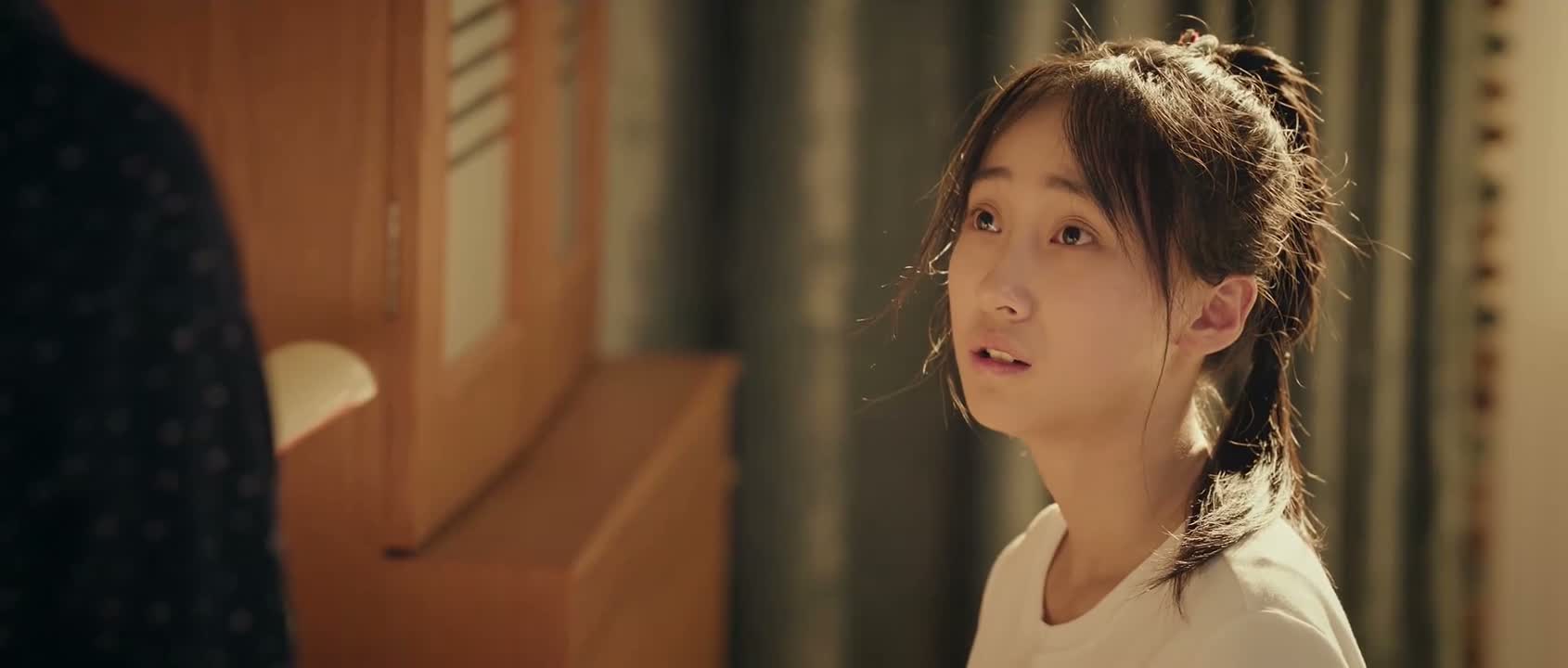
“Qinqiang opera is about freedom.”

“Qinqiang opera has a history of thousands of years. I can't ruin it.”
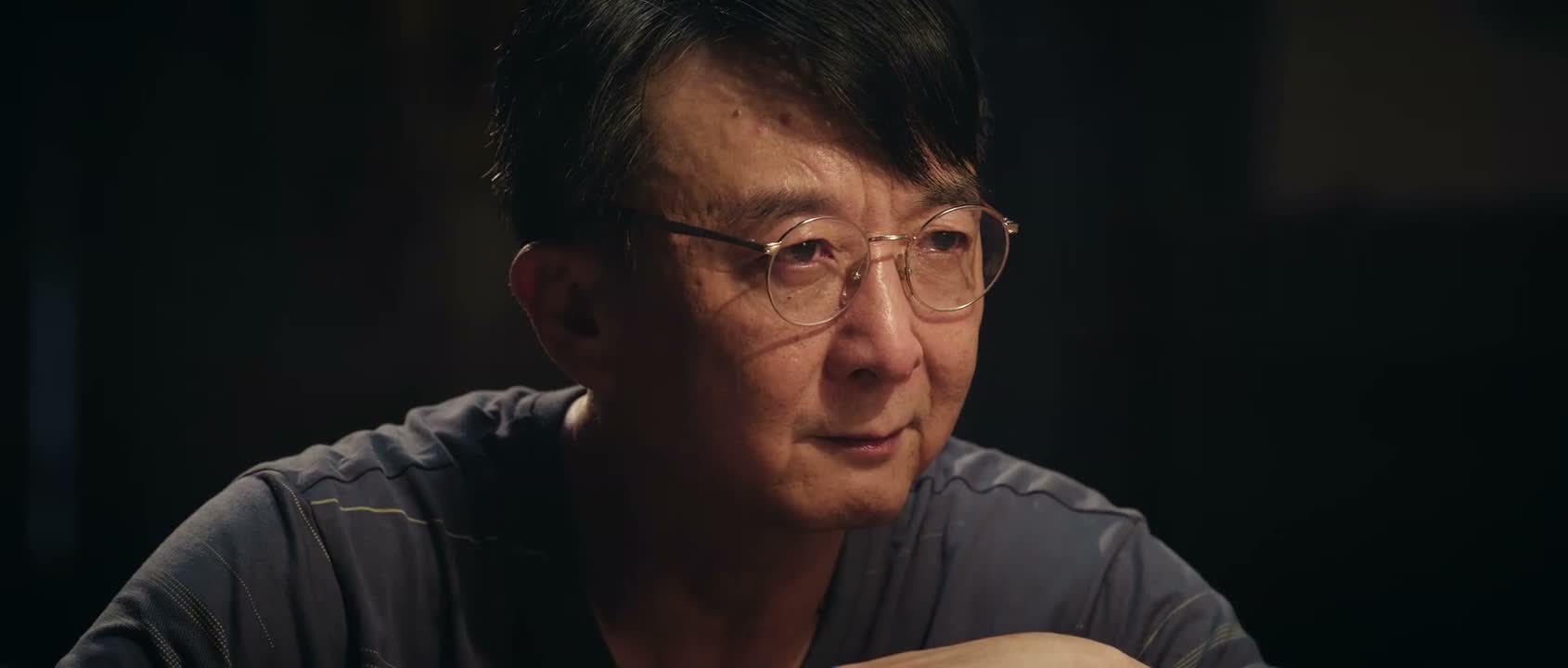
“Qinqiang opera won't die.”
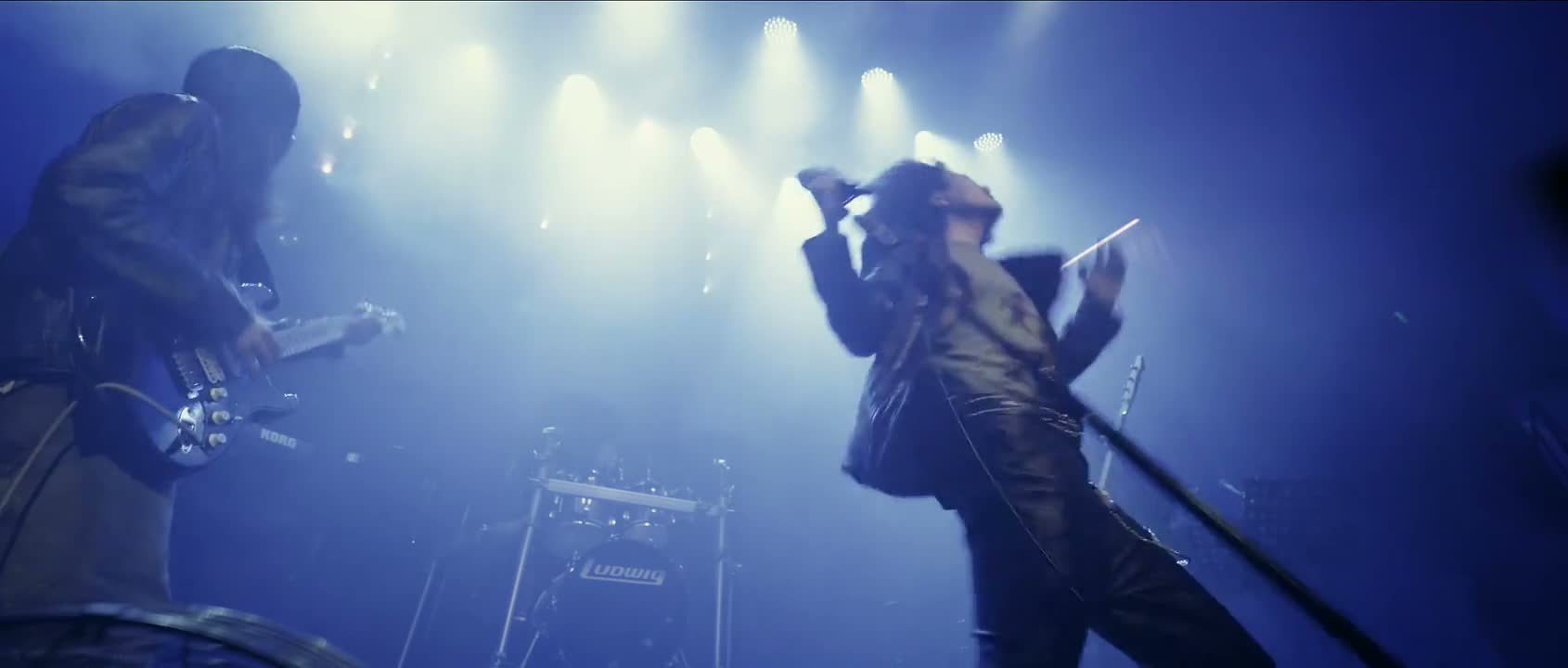
“Qinqiang opera has to change.”
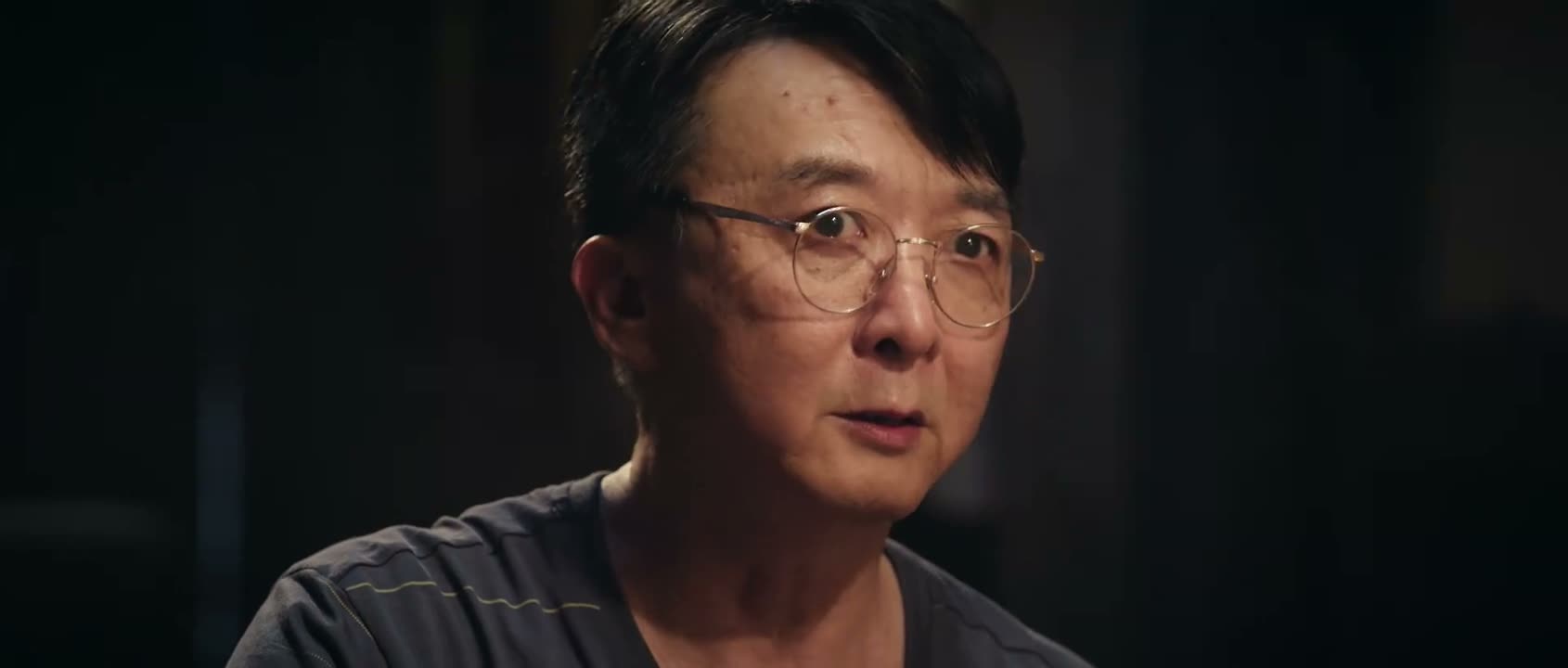
“Qinqiang opera must change too.”

“Who still watches the old Shaanxi Opera?”