MC
MandarinClips Cinema Corpus
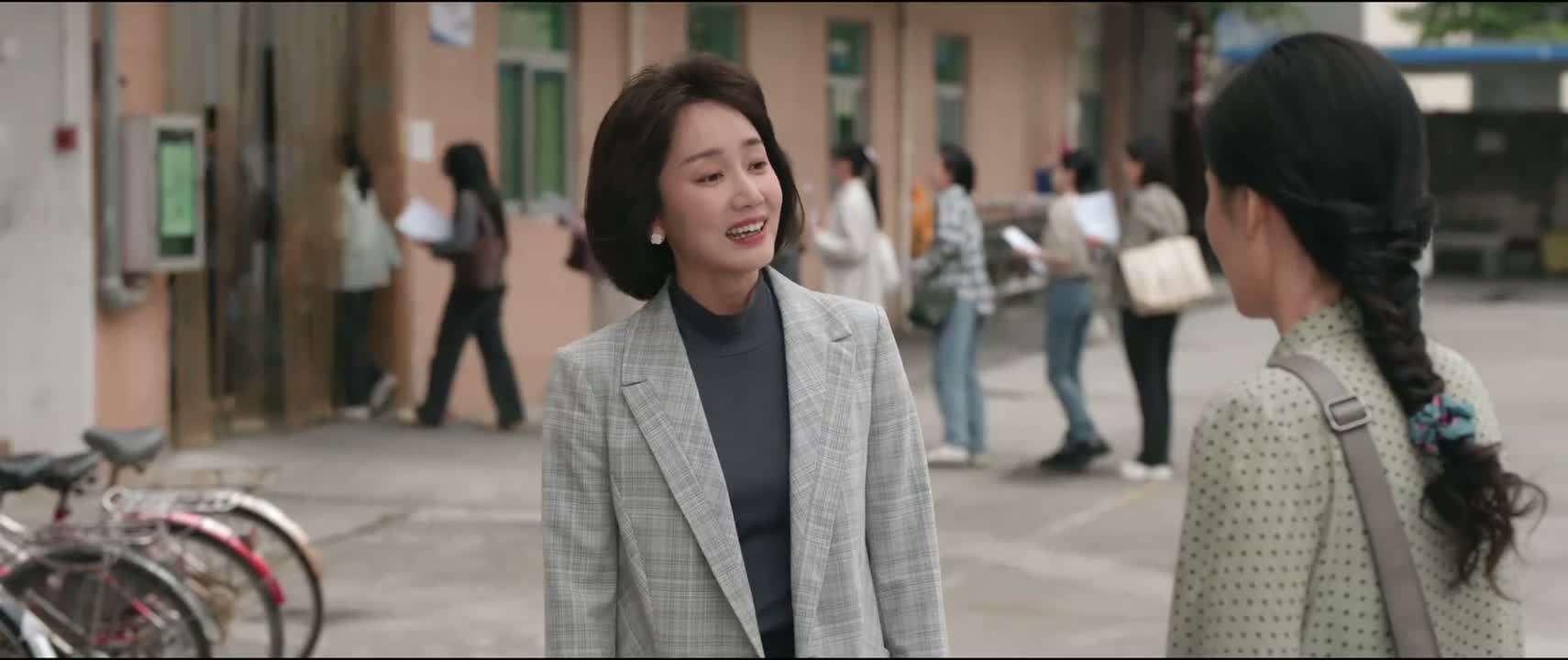
《The Lead》 S1·E18 (24:38) HSK 4
zǎ yàng bù zǎ yàng wǒ shuō le yòu bù suàn

咋样不咋样 我说了又不算

“Good or bad, it's not up to me.”

《The Lead》 S1·E18
TIMECODE: 24:38 · 1080P MASTER AUDIO

THE DIALOGUE REEL

1+1+1 SPOKEN CONTINUITY
[-1] PREVIOUS TURN zǎ yàng

咋样

“Good?”

zǎ yàng bù zǎ yàng wǒ shuō le yòu bù suàn CURRENT FOCUS

咋样 不咋样 我说 了又 不算

“Good or bad, it's not up to me.”

[+1] FOLLOW-UP TURN nà shuí shuō le suàn

那谁说了算

“Then whom?”

Subtitles synced to millisecond timecode Browse Show Clips →
Scene: Daily Life
Function: DEFLECTING RESPONSIBILITY
Tone: RESIGNED
Emotion: HELPLESSNESS
WHAT THEY REALLY MEAN (PRAGMATIC SUBTEXT)
“Good or bad, it's not my call to make anyway.”
💡 Cultural Insight: shuo le suan (having the final say)

Reflects sensitivity in Chinese interpersonal dynamics regarding authority and decision-making power; often used to deflect responsibility or tactfully indicate that one has no say or right to intervene in a matter.

INTENT TAGS: #deflecting responsibility #expressing helplessness #avoiding evaluation
🧩

LEARNING CHUNKS & PARTICLES

2 CHUNKS · 0 PARTICLES
A不A SPOKEN CHUNK

whether A or not / regardless

A colloquial pattern combining affirmative and negative forms to convey that something does not matter or is unimportant either way, such as 'xing bu xing de' (whether it works or not) or 'hao bu hao de' (whether it's good or not).

说了不算 SPOKEN CHUNK

not having the final say / one's word carries no weight

An extremely common everyday spoken phrase; its opposite is 'shuo le suan' (to have the final say).
🏮

VOCABULARY & EXPRESSIONS

3 EXPR · 1 GRAMMAR
CROSS-CINEMA CORPUS BOARD · PARALLEL SCENES

Parallel Spoken Cinema Scenes (语义近邻切片)

EXPLORE BY SEMANTIC SIMILARITY
《The Lead》 S1·E18 (24:38) · Authentic Cinema Dialogue Corpus