MC
MandarinClips Cinema Corpus
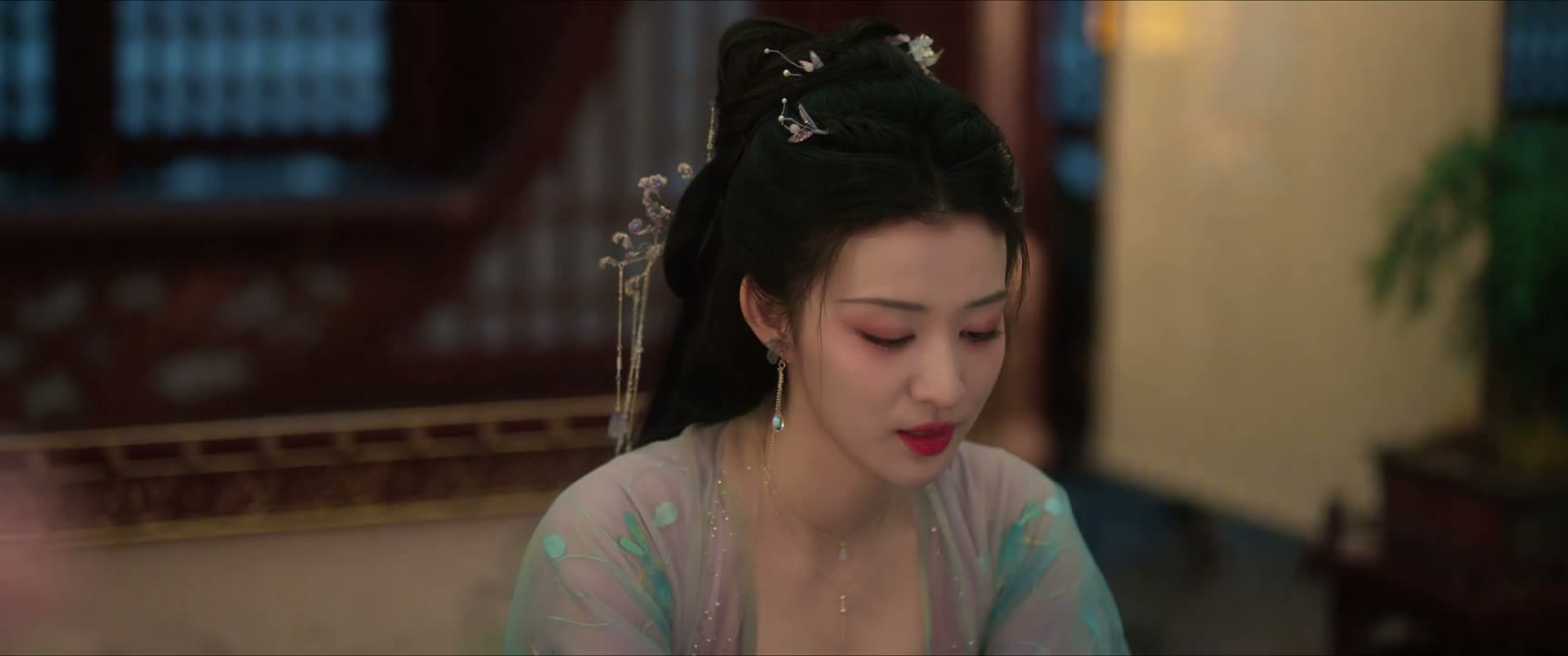
《Go Ahead》 S1·E21 (15:53) HSK 4
jiù zhè shì jiù zhè shì guà le a

就这事 就这事 挂了啊

“Is that all? Yes? Goodbye.”

《Go Ahead》 S1·E21
TIMECODE: 15:53 · 1080P MASTER AUDIO

THE DIALOGUE REEL

1+1+1 SPOKEN CONTINUITY
[-1] PREVIOUS TURN suǒ wèi de nán péng yǒu fēn shǒu le

所谓的男朋友 分手了

“has broken up with her so-called boyfriend.”

jiù zhè shì jiù zhè shì guà le a CURRENT FOCUS

就这事 就这事 挂了啊

“Is that all? Yes? Goodbye.”

[+1] FOLLOW-UP TURN yī yuàn xīn fā de gōng zuò zhì fú gěi nǐ ná guò lái le xiè xiè

医院新发的工作制服 给你拿过来了 谢谢

“I've brought you the new uniform distributed by the hospital. Thank you.”

Subtitles synced to millisecond timecode Browse Show Clips →
Scene: Daily Life
Function: TERMINATING CONVERSATION
Tone: IMPATIENT
Emotion: ANNOYANCE
WHAT THEY REALLY MEAN (PRAGMATIC SUBTEXT)
“That's all there is to it, I don't want to dwell on it anymore. I'm hanging up.”
💡 Cultural Insight: Colloquial expressions for hanging up

In modern informal Chinese communication, friends or acquaintances often end phone calls directly with 'gua le a' (hanging up now) or 'xian gua le' (hanging up first), omitting formal farewells to sound casual and close.

INTENT TAGS: #perfunctory #dodging the topic #hanging up
🧩

LEARNING CHUNKS & PARTICLES

2 CHUNKS · 1 PARTICLES
就这事 SPOKEN CHUNK

just this matter / nothing serious

Used colloquially to downplay a matter or to quickly wrap up a topic.

挂了 SPOKEN CHUNK

hanging up

A very colloquial way to end a phone call, often followed by the particle 'a' or 'bye-bye'.

Modal Particle「啊」 (a) CHANGE OF STATE

Used at the end of a sentence to inform the listener of one's upcoming action (hanging up), softening the abruptness.

🏮

VOCABULARY & EXPRESSIONS

2 EXPR · 0 GRAMMAR
CROSS-CINEMA CORPUS BOARD · PARALLEL SCENES

Parallel Spoken Cinema Scenes (语义近邻切片)

EXPLORE BY SEMANTIC SIMILARITY
《Go Ahead》 S1·E21 (15:53) · Authentic Cinema Dialogue Corpus