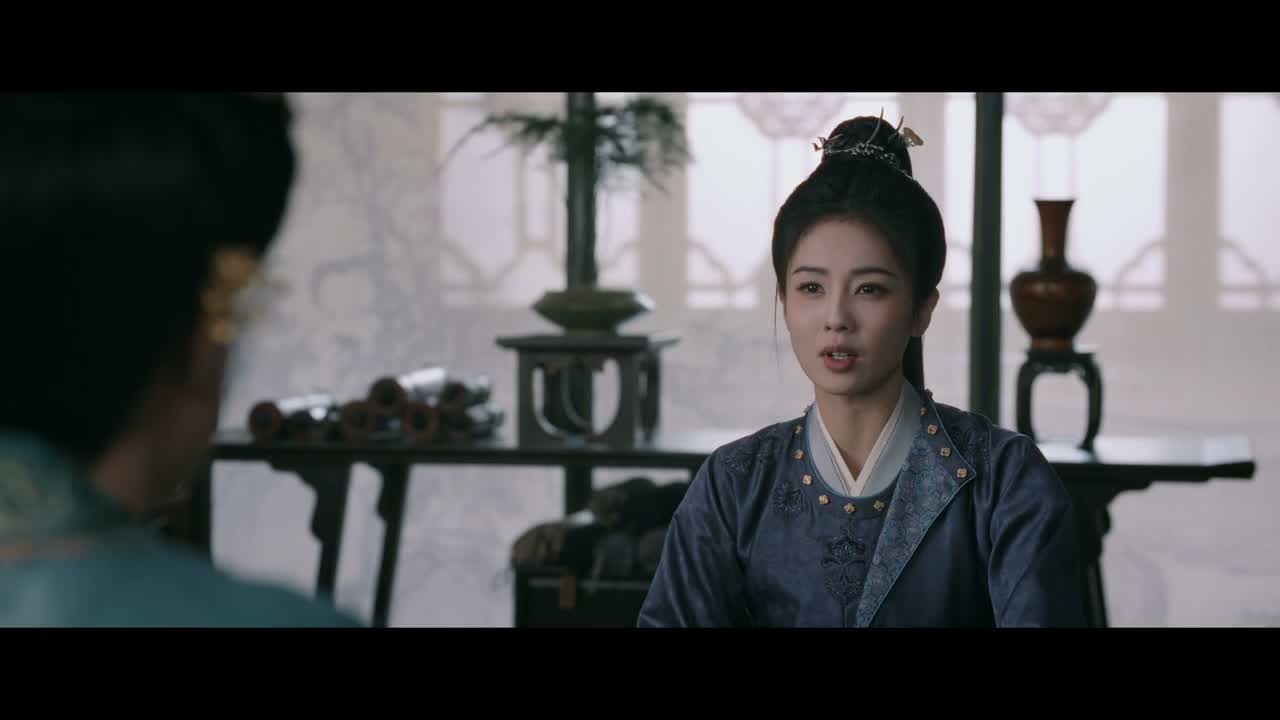
昨晚的事 昨天晚上我喝多了 什么都不记得了
“About what happened last night... I got drunk last night, so I don't remember anything.”
THE DIALOGUE REEL
在你手上 哥哥哥 哥 冷静 哥哥哥
“It's in your hand. Ling Xiao... Calm down, Ling Xiao. Ling Xiao...”
昨晚的事 昨天晚上我 喝多了 什么都不记得了
“About what happened last night... I got drunk last night, so I don't remember anything.”
昨天的事情对不起
“I'm sorry for what happened yesterday.”
“Whatever happened last night was just the alcohol talking; please don't hold it against me.”
In Chinese drinking culture and social contexts, drunken misbehavior is quite common. When facing confrontation the next day, people often cite 'he duo le' (drank too much) or having blacked out as a convenient excuse to deflect blame, defuse embarrassment, or seek forgiveness.
LEARNING CHUNKS & PARTICLES
to have had too much to drink; to be drunk
An extremely common colloquial euphemism for being drunk, often used as an excuse for drunken misbehavior or to shirk responsibility.
cannot remember anything; to have completely blacked out
Used to express having zero memory of an event; in casual speech, it is also frequently used to dodge accountability or play dumb.
Sentence-final particle indicating the completion or realization of a state ('he duo le'), while also reinforcing the assertion of an established fact ('bu ji de le').