阿田 站好了
“Tian! Stand at attention!”
THE DIALOGUE REEL
站好了
“Stand at attention!”
阿田 站好了
“Tian! Stand at attention!”
给我站好 站好 站好了 叫你站好了 阿田 阿田
“Stand at attention! Stand at attention! Stand at attention! I told you to stand at attention! Tian! Tian!”
“A-Tian, stand still and don't you dare move!”
The phrase 'gei wo zhan hao' illustrates a strong imperative and commanding tone in spoken Chinese, where 'gei wo' (literally 'for/to me') is used to emphasize subjective will and apply pressure, often conveying anger or an authoritative stance.
LEARNING CHUNKS & PARTICLES
to stand properly; to stand upright
A verb-complement structure (verb + resultative complement), commonly used in imperative sentences to command or demand that someone maintain a proper standing posture.
Functions as an aspectual particle or post-complement element, here reinforcing the completed state of the command or urging the listener to immediately attain that state.
VOCABULARY & EXPRESSIONS
Parallel Spoken Cinema Scenes (语义近邻切片)
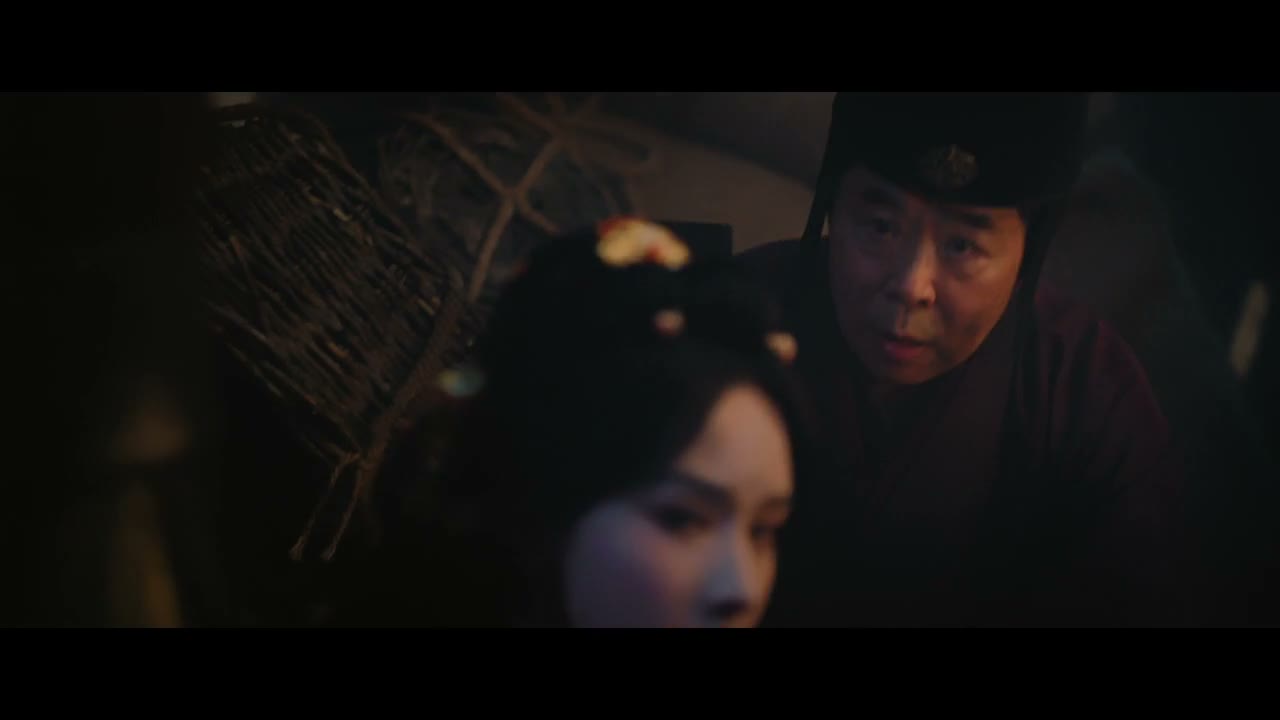
“- Okay. - Check over there! Le, please find Jiu.”
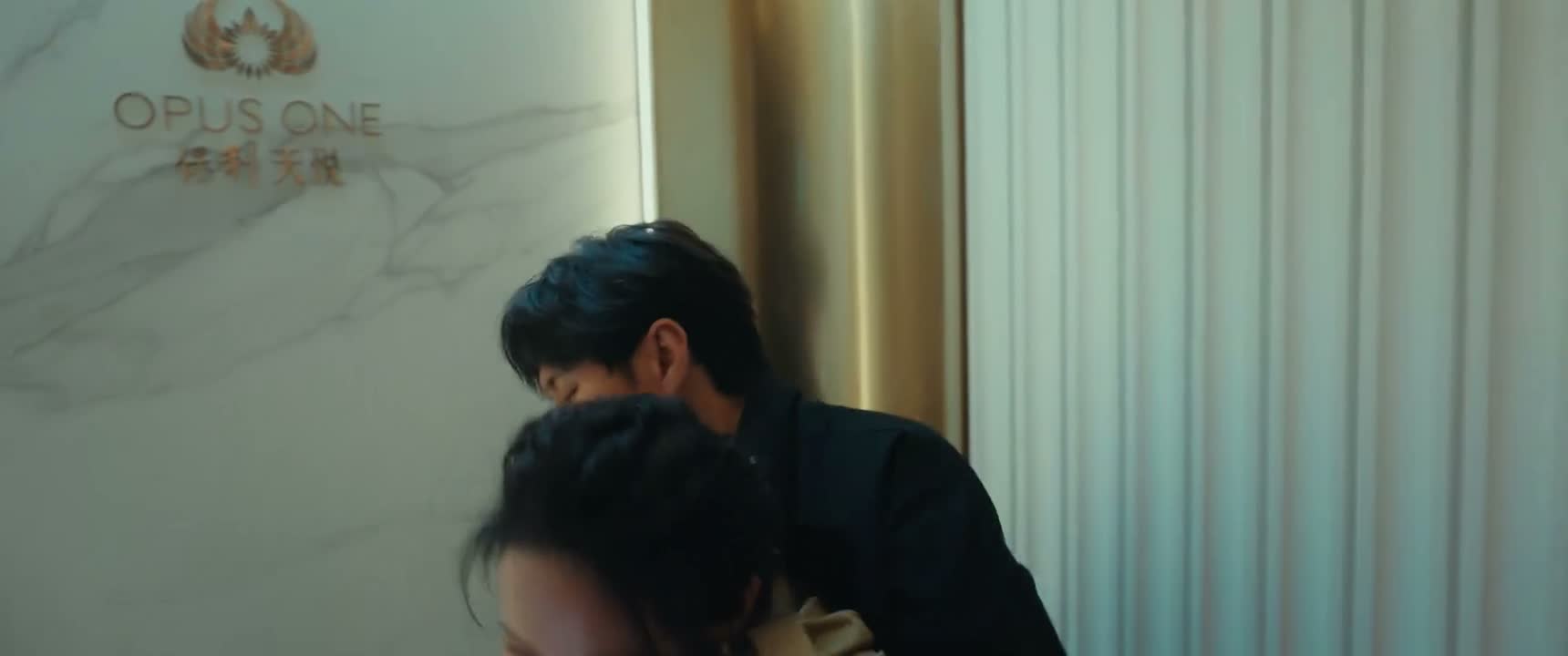
“Stand straight. Don't fall.”

“Stand still! How did you know we were here for a vice raid?”
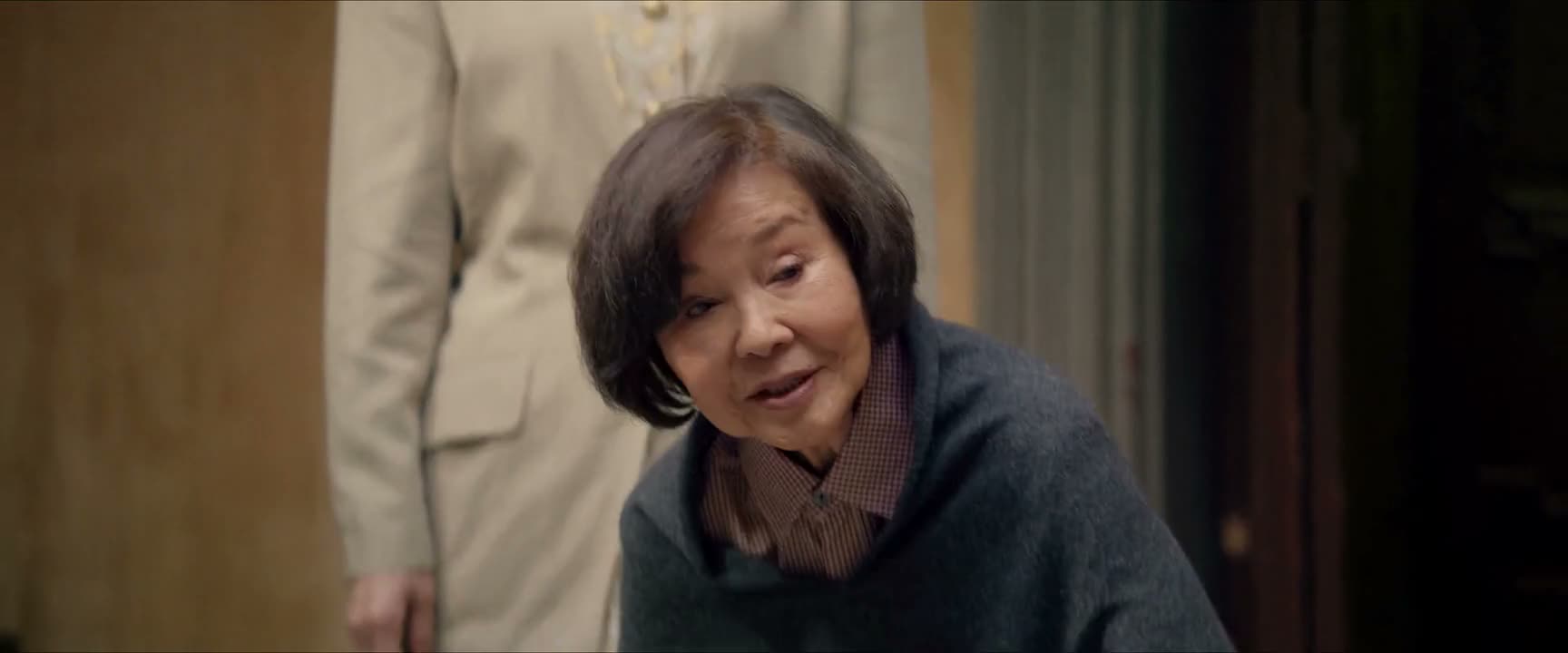
“Now, please stand against the wall.”
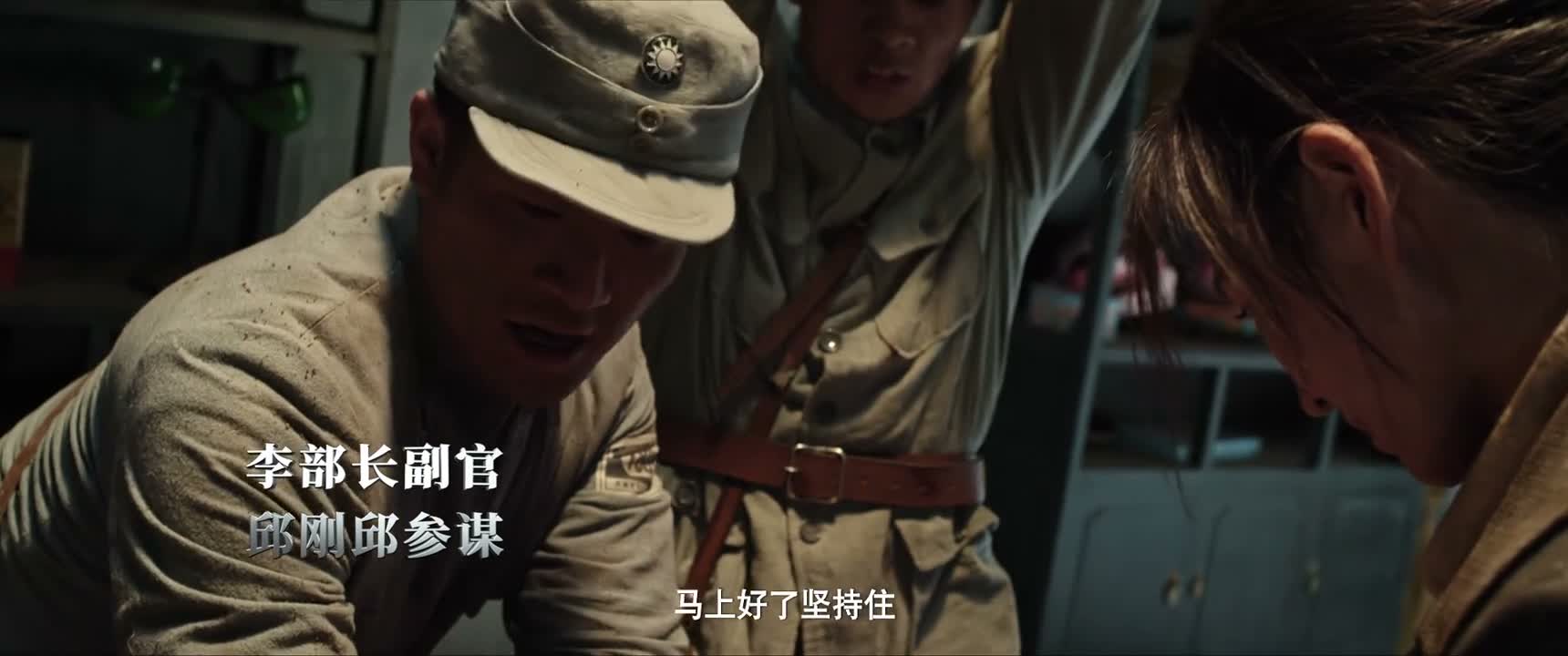
“Almost done, hold on”

“You haven't even found your footing yet, how can you think about slacking off?”