MC
MandarinClips Cinema Corpus
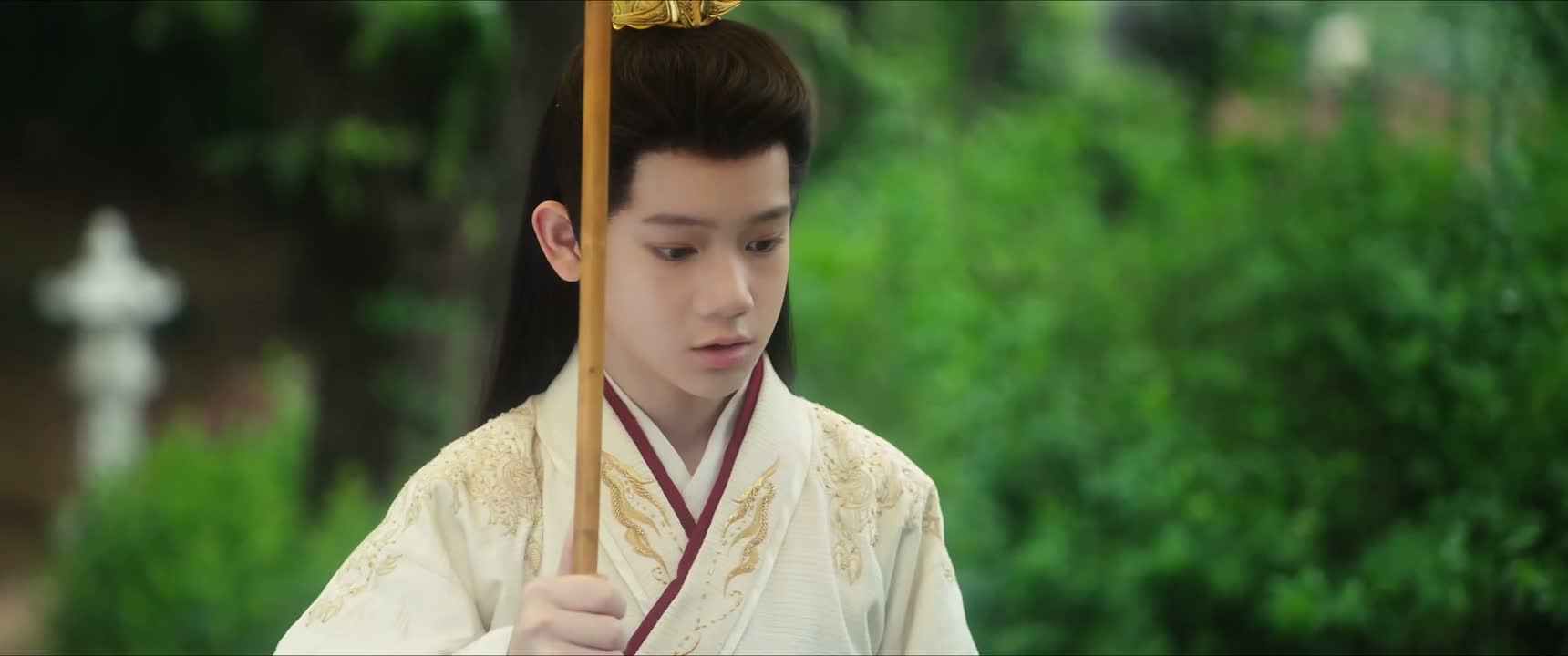
《Echoes of a Thousand Moons》 S1·E32 (20:03) HSK 7
jīn tiān hòu bàn yè bā chéng yào xià yǔ

今天后半夜八成要下雨

“It will probably rain later tonight.”

《Echoes of a Thousand Moons》 S1·E32
TIMECODE: 20:03 · 1080P MASTER AUDIO

THE DIALOGUE REEL

1+1+1 SPOKEN CONTINUITY
[-1] PREVIOUS TURN jīn tiān wǎn shàng méi yǒu yuè liàng

今天晚上没有月亮

“that there's no moon tonight.”

jīn tiān hòu bàn yè bā chéng yào xià yǔ CURRENT FOCUS

今天 后半夜 八成 要下雨

“It will probably rain later tonight.”

[+1] FOLLOW-UP TURN zhōng qiū yǔ lín lín sān jiǔ dòng sǐ gǒu

“Rain on Mid-Autumn Day means a harsh winter.”

Subtitles synced to millisecond timecode Browse Show Clips →
Scene: Daily Life
Function: PREDICTING WEATHER
Tone: SPECULATIVE
WHAT THEY REALLY MEAN (PRAGMATIC SUBTEXT)

Direct spoken expression in this communicative setting.

💡 Cultural Insight: Weather forecasting through observation / Agricultural proverbs

Chinese people often infer weather patterns from cloud cover and lunar phases. Referencing the proverb 'zhong qiu yu lin lin, san jiu dong si gou' (rain during Mid-Autumn Festival means severe freezing in midwinter), this reflects folk agricultural proverbs and life experience used to predict winter coldness based on Mid-Autumn weather.

INTENT TAGS: #weather prediction #speculation #small talk
🧩

LEARNING CHUNKS & PARTICLES

2 CHUNKS · 0 PARTICLES
八成 SPOKEN CHUNK

most likely; probably (literally 'eighty percent chance')

Commonly used in spoken Chinese as an adverb modifying a verb or predicate to express a high degree of certainty about an occurrence.

后半夜 SPOKEN CHUNK

the latter half of the night; small hours (roughly from midnight until dawn)

A high-frequency colloquial term specifying a time period, contrasted with 'qian ban ye' (the first half of the night).

🏮

VOCABULARY & EXPRESSIONS

2 EXPR · 0 GRAMMAR
CROSS-CINEMA CORPUS BOARD · PARALLEL SCENES

Parallel Spoken Cinema Scenes (语义近邻切片)

EXPLORE BY SEMANTIC SIMILARITY
《Echoes of a Thousand Moons》 S1·E32 (20:03) · Authentic Cinema Dialogue Corpus