MC
MandarinClips Cinema Corpus
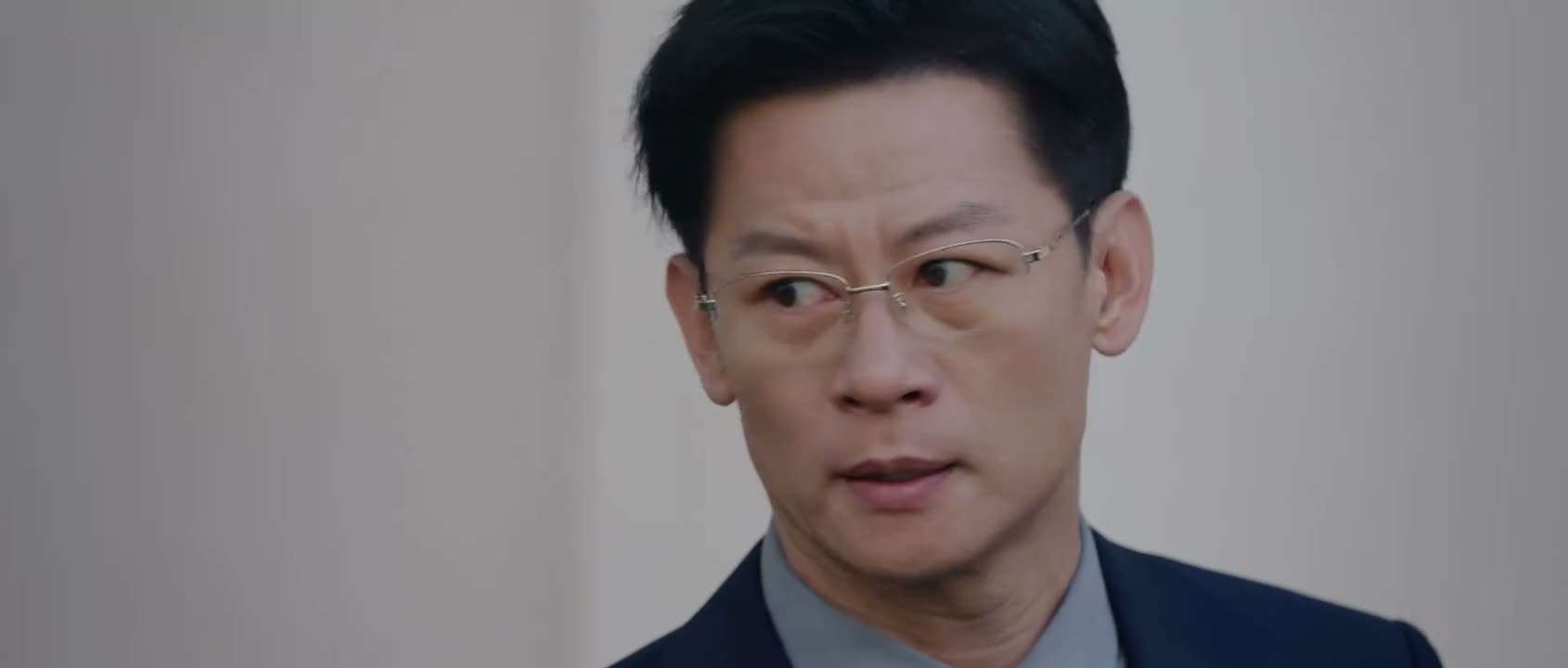
《Echoes of a Thousand Moons》 S1·E32 (30:28) HSK 4
jiù xiǎng chū zhè kǒu qì ma duì

就想出这口气吗 对

“just to vent your anger? Yes.”

《Echoes of a Thousand Moons》 S1·E32
TIMECODE: 30:28 · 1080P MASTER AUDIO

THE DIALOGUE REEL

1+1+1 SPOKEN CONTINUITY
[-1] PREVIOUS TURN tián xiān shēng nǐ yào xiàng xiǎo hái yī yàng

“Mr. Tian, do you have to act like a child”

jiù xiǎng chū zhè kǒu qì ma duì CURRENT FOCUS

就想 出这口气 吗 对

“just to vent your anger? Yes.”

[+1] FOLLOW-UP TURN wǒ men jīn tiān lái bì xū wán chéng rèn wù

“We must complete our mission here today.”

Subtitles synced to millisecond timecode Browse Show Clips →
Scene: Crisis & Conflict
Function: QUESTIONING AND CONFRONTING
Tone: REPROACHFUL
Emotion: ANGER
WHAT THEY REALLY MEAN (PRAGMATIC SUBTEXT)
“Are you really going to let your petty grudge jeopardize our actual mission?”
💡 Cultural Insight: chu qi / zheng kou qi (venting anger / standing up for oneself)

Chinese culture places great importance on emotional 'qi' (inner temper/morale) and personal dignity. 'Chu qi' means venting pent-up anger or resentment. However, mature social conduct prioritizes 'gu quan da ju' (considering the bigger picture), so impulsively venting one's anger is often viewed as immature or detrimental to larger goals.

INTENT TAGS: #questioning #considering the big picture #criticizing immaturity
🧩

LEARNING CHUNKS & PARTICLES

1 CHUNKS · 1 PARTICLES
出这口气 SPOKEN CHUNK

to vent one's bottled-up resentment, anger, or grievance

A common verb-object collocation, frequently used in contexts where someone seeks retaliation or justice after feeling wronged or oppressed.

Modal Particle「吗」 (ma) CHANGE OF STATE

Placed at the end of a sentence to form a question, carrying a rhetorical and confrontational tone here.
🏮

VOCABULARY & EXPRESSIONS

2 EXPR · 0 GRAMMAR
CROSS-CINEMA CORPUS BOARD · PARALLEL SCENES

Parallel Spoken Cinema Scenes (语义近邻切片)

EXPLORE BY SEMANTIC SIMILARITY
《Echoes of a Thousand Moons》 S1·E32 (30:28) · Authentic Cinema Dialogue Corpus