MC
MandarinClips Cinema Corpus
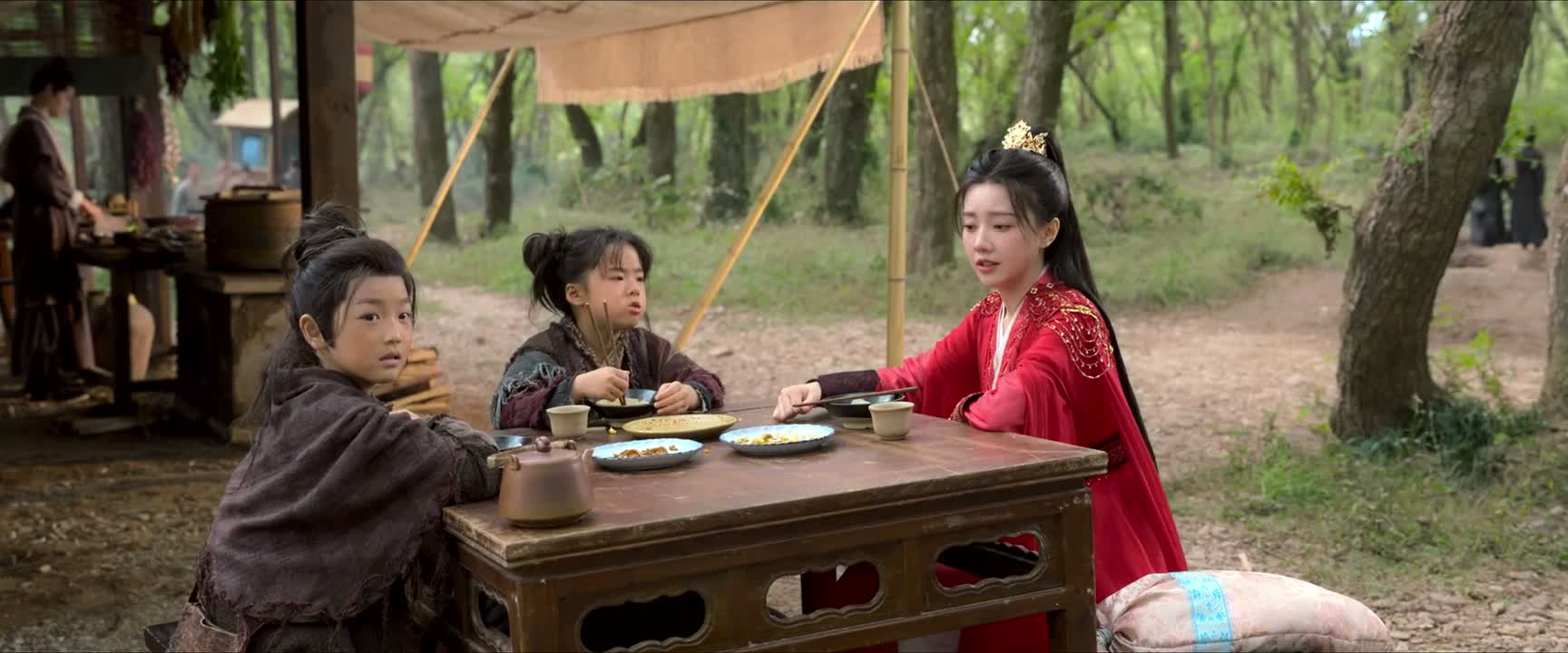
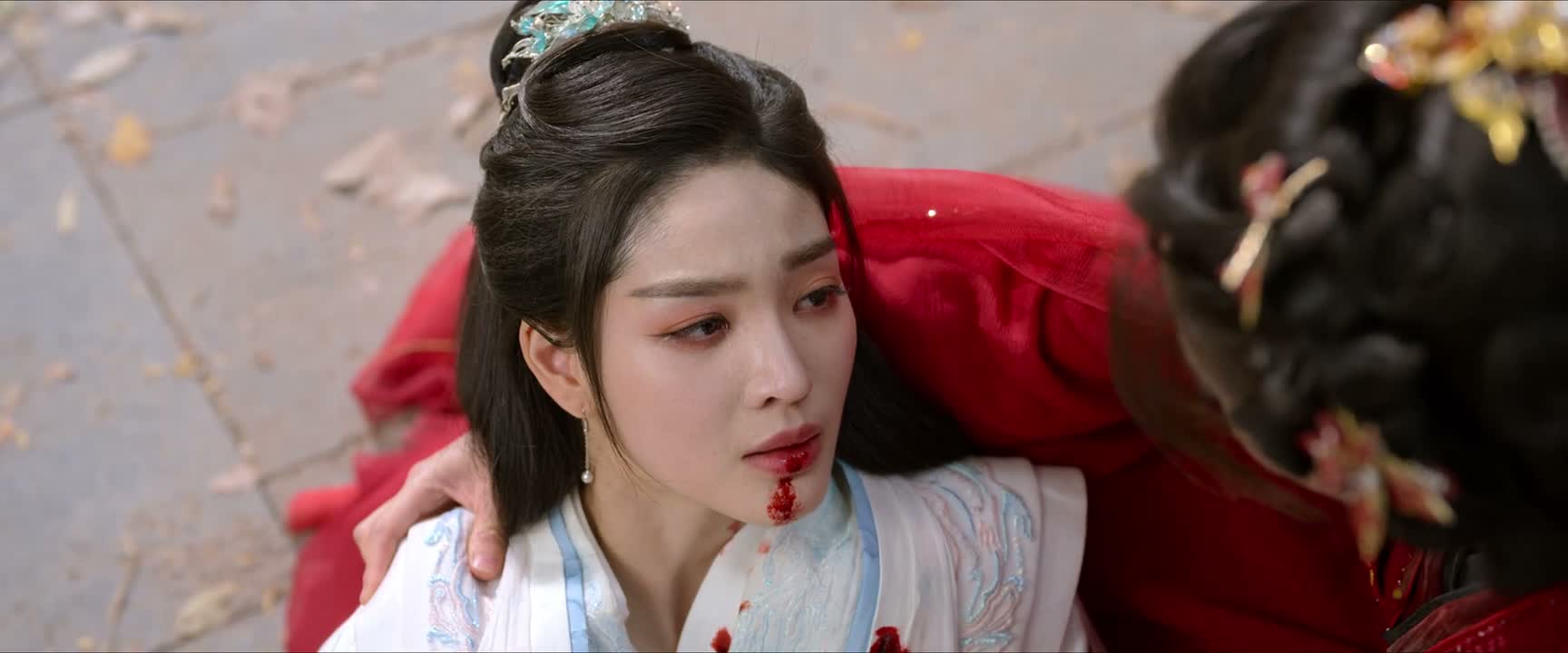
《My Destiny》 S1·E10 (36:53) HSK 5
zhēn shě bù dé ràng nǐ zǒu a

真舍不得让你走啊

“I really don't want you to leave.”

《My Destiny》 S1·E10
TIMECODE: 36:53 · 1080P MASTER AUDIO

THE DIALOGUE REEL

1+1+1 SPOKEN CONTINUITY
[-1] PREVIOUS TURN xiǎo fāng a

小方啊

“Fang,”

zhēn shě bù dé ràng nǐ zǒu a CURRENT FOCUS

真 舍不得 让你走 啊

“I really don't want you to leave.”

[+1] FOLLOW-UP TURN wèi nǐ hǎo

喂 你好

“Hello?”

Subtitles synced to millisecond timecode Browse Show Clips →
Scene: Workplace
Function: EXPRESSING RELUCTANCE TO PART
Tone: SINCERE
Emotion: SADNESS
WHAT THEY REALLY MEAN (PRAGMATIC SUBTEXT)

Direct spoken expression in this communicative setting.

💡 Cultural Insight: Xiao Fang

In Chinese workplaces or familiar social circles, elders, superiors, or older colleagues often address younger juniors or subordinates as 'Xiao + Surname' (Little + Surname), balancing warmth and affection with generational hierarchy.

INTENT TAGS: #reluctance to part #polite reluctance #farewell sentiment
🧩

LEARNING CHUNKS & PARTICLES

1 CHUNKS · 1 PARTICLES
舍不得 SPOKEN CHUNK

to hate to part with; reluctant to leave, give up, or separate from due to deep affection or care

Followed by a verb or noun, commonly used to express reluctance to part ways (e.g., 'she bu de zou' - reluctant to leave) or hesitation to spend money or consume resources (e.g., 'she bu de hua qian' - reluctant to spend money).

Modal Particle「啊」 (a) CHANGE OF STATE

Used at the end of a sentence to convey an exclamation of lingering attachment and deepen the sentimental tone.

🏮

VOCABULARY & EXPRESSIONS

2 EXPR · 0 GRAMMAR
CROSS-CINEMA CORPUS BOARD · PARALLEL SCENES

Parallel Spoken Cinema Scenes (语义近邻切片)

EXPLORE BY SEMANTIC SIMILARITY
《My Destiny》 S1·E10 (36:53) · Authentic Cinema Dialogue Corpus