MC
MandarinClips Cinema Corpus
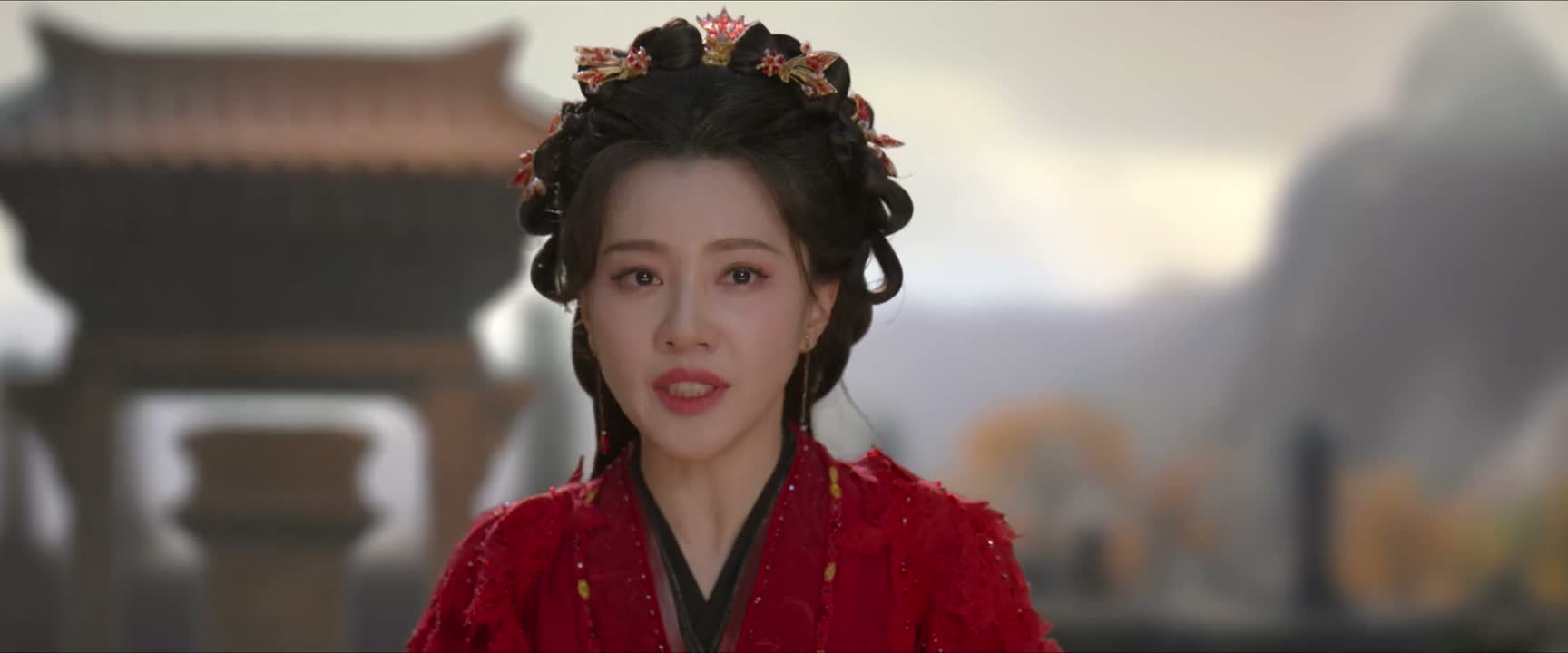
《Fate Chooses You》 S1·E25 (28:10) HSK 6
yù dí huī jiàn jiǔ wàn jiǔ qiān cì

遇敌挥剑九万九千次

“raise my sword against enemies 99,000 times,”

《Fate Chooses You》 S1·E25
TIMECODE: 28:10 · 1080P MASTER AUDIO

THE DIALOGUE REEL

1+1+1 SPOKEN CONTINUITY
[-1] PREVIOUS TURN wǒ yī shēng yào xíng liù wàn lǐ lù

我一生要行六万里路

“I must travel 60,000 li in my life,”

yù dí huī jiàn jiǔ wàn jiǔ qiān cì CURRENT FOCUS

遇敌 挥剑九万九千次

“raise my sword against enemies 99,000 times,”

[+1] FOLLOW-UP TURN jiàn xuè sān wàn liù qiān cì

见血三万六千次

“and draw blood 36,000 times”

Subtitles synced to millisecond timecode Browse Show Clips →
Scene: Historical & Court
Function: NARRATING AND DECLARING
Tone: SOLEMN
Emotion: DETERMINATION
WHAT THEY REALLY MEAN (PRAGMATIC SUBTEXT)
“My path is carved through endless slaughter and relentless battles.”
💡 Cultural Insight: Wuxia / swordsman narrative style

Classical Chinese wuxia and fantasy literature frequently employs parallelism and vast, exaggerated numbers (such as sixty thousand li or ninety-nine thousand strikes) to evoke a wandering swordsman's perilous sense of fate and a life immersed in martial conflict.

INTENT TAGS: #demonstrating determination #expressing sense of fate #intimidating declaration
🧩

LEARNING CHUNKS & PARTICLES

2 CHUNKS · 0 PARTICLES
挥剑 SPOKEN CHUNK

to swing or brandish a sword, indicating fighting or drawing a sword against an enemy

Commonly found in period dramas, wuxia literature, and media to describe combat actions or symbolize conflict.

遇敌 SPOKEN CHUNK

to encounter an enemy

A common narrative chunk in literary and cinematic contexts, typically used in battle or conflict backgrounds.
🏮

VOCABULARY & EXPRESSIONS

1 EXPR · 1 GRAMMAR
CROSS-CINEMA CORPUS BOARD · PARALLEL SCENES

Parallel Spoken Cinema Scenes (语义近邻切片)

EXPLORE BY SEMANTIC SIMILARITY
《Fate Chooses You》 S1·E25 (28:10) · Authentic Cinema Dialogue Corpus