哪是我们能招待的
“not for us to entertain.”
THE DIALOGUE REEL
杜生的朋友
“Mr. Du's friends are”
哪是我们能招待的
“not for us to entertain.”
可盈说得对
“Keying is right.”
“They are way out of our league to entertain.”
Chinese society emphasizes social circles and parity of status in interpersonal interactions. When dealing with individuals of high status or influential backgrounds, self-deprecating expressions (such as 'zhao dai bu qi' [cannot afford to host] or 'gao pan bu shang' [out of one's league]) are often used to show respect or maintain a polite distance, avoiding complications beyond one's capacity to manage.
LEARNING CHUNKS & PARTICLES
by no means something that ... can do (rhetorical pattern expressing strong negation)
A common spoken rhetorical structure used to express limited capability, self-deprecation, or evasion of responsibility; polite in tone yet firm in stance.
to host; to entertain (guests)
A common transitive verb used in social, familial, or business contexts for welcoming, serving, and entertaining guests.
Placed at the end of a sentence to confirm and reinforce an assertive judgment, forming a fixed rhetorical pattern with the preceding clause.
VOCABULARY & EXPRESSIONS
Parallel Spoken Cinema Scenes (语义近邻切片)

“are you satisfied with our hospitality today?”
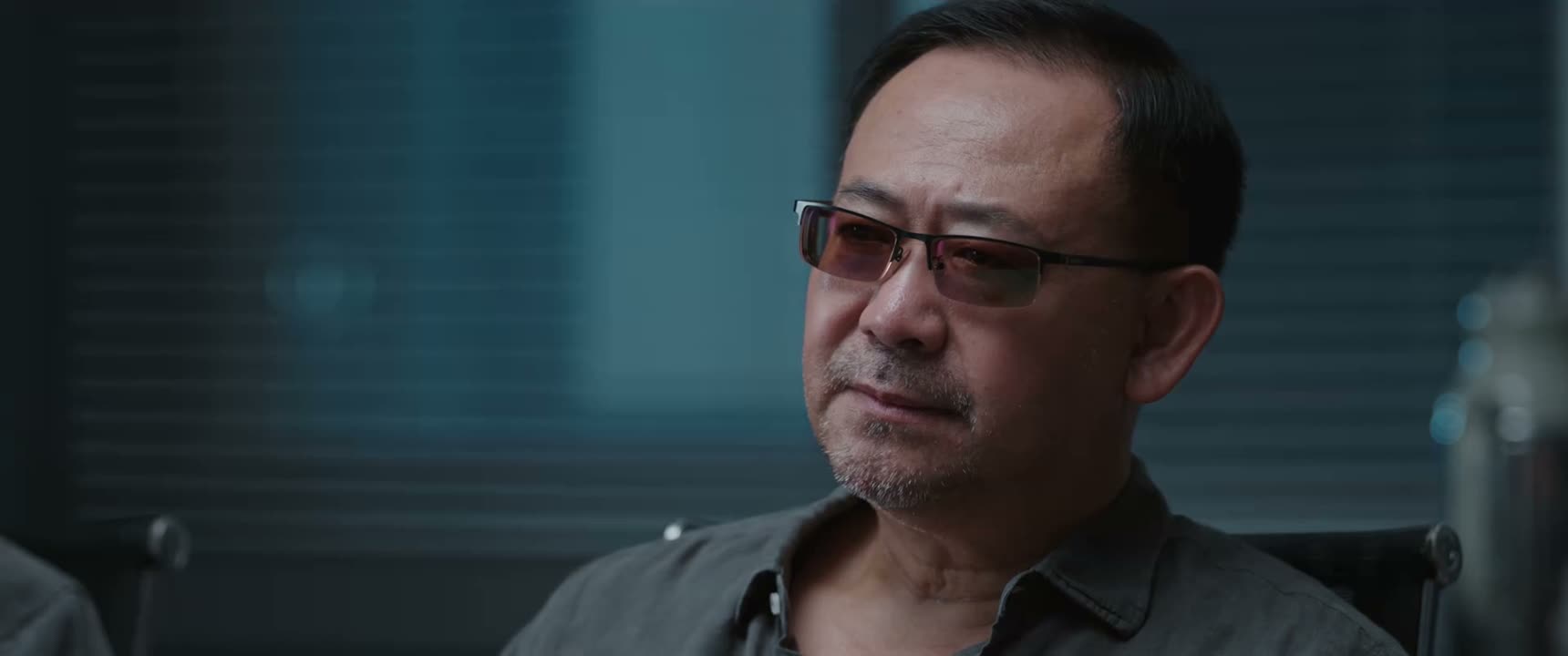
“Or who could've afforded that?”

“Our treat, okay?”

“I wined and dined them hard,”

“Even if we couldn't afford a big banquet,”

“It wouldn't be right if I didn't treat them well.”