MC
MandarinClips Cinema Corpus
《Unveil: Jadewind》 S1·E5 (35:10) HSK 6
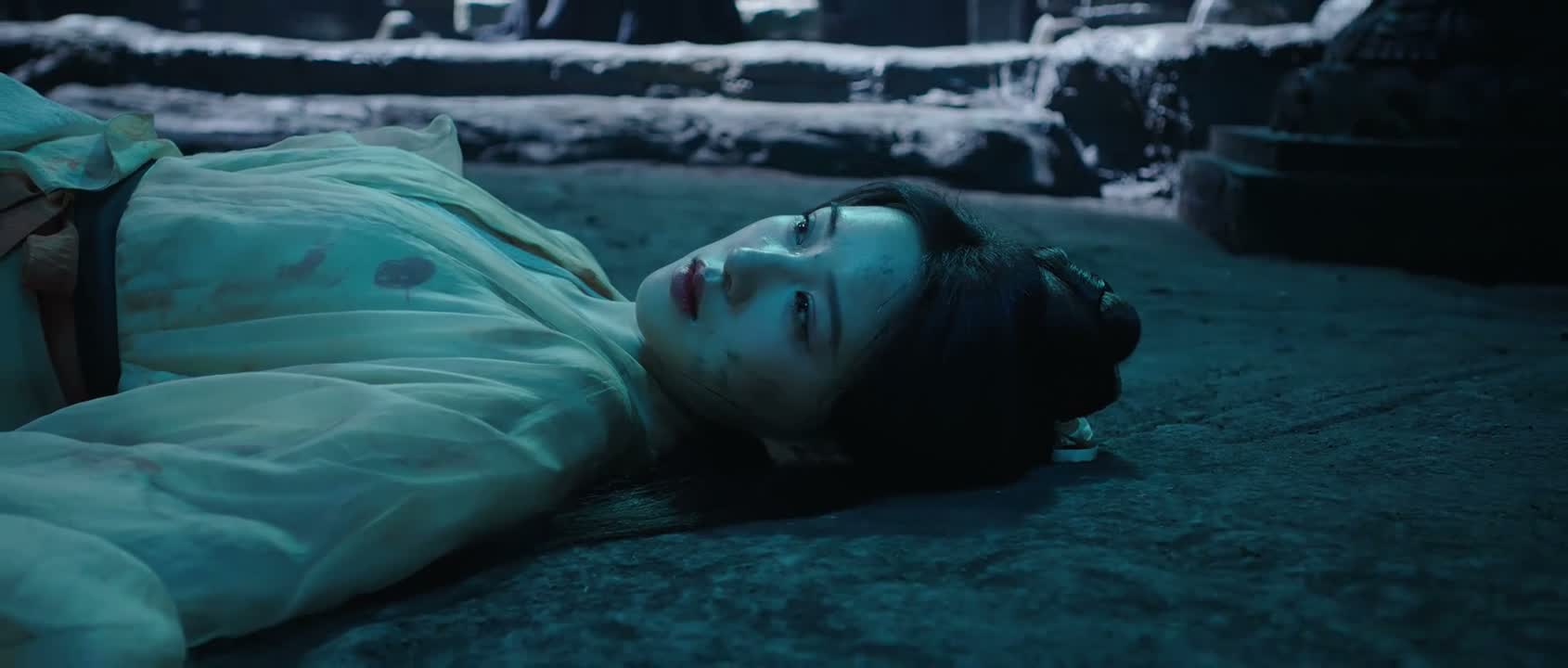
kě shì hán xiào yǐ jīng wěi shēn yú nǐ nǐ wèi hé hái yào shā tā ?

可是含笑已经委身于你 你为何还要杀她?

“But Hanxiao had already yielded to you. Why did you kill her?”

《Unveil: Jadewind》 S1·E5
TIMECODE: 35:10 · 1080P MASTER AUDIO

THE DIALOGUE REEL

1+1+1 SPOKEN CONTINUITY
[-1] PREVIOUS TURN hú dá tā bù gāi sǐ ma ?

“Didn't he deserve to die?”

kě shì hán xiào yǐ jīng wěi shēn yú nǐ nǐ wèi hé hái yào shā tā ? CURRENT FOCUS

可是 含笑已经委身于你 你 为何还要 杀她?

“But Hanxiao had already yielded to you. Why did you kill her?”

[+1] FOLLOW-UP TURN wǒ méi shā tā

我没杀她

“I didn't.”

Subtitles synced to millisecond timecode Browse Show Clips →
Scene: Legal & Police
Function: DEMANDING EXPLANATION
Tone: ACCUSATORY
Emotion: ANGER
WHAT THEY REALLY MEAN (PRAGMATIC SUBTEXT)

Direct spoken expression in this communicative setting.

💡 Cultural Insight: Moral Obligation in Devotion (委身)

In traditional Chinese culture, when a woman 'entrusts herself' to a man, it creates a solemn moral duty for him to protect her, making betrayal particularly heinous.

INTENT TAGS: #interrogation #accusation #confrontation #demanding_motive
🧩

LEARNING CHUNKS & PARTICLES

2 CHUNKS · 0 PARTICLES
委身于 SPOKEN CHUNK

to devote oneself to; to submit/entrust oneself to (historically in romance or marriage)

A formal, literary expression referring to a woman entrusting herself intimately to a partner.

为何还要 SPOKEN CHUNK

why still; for what reason would one still

Used to challenge unreasonable or contradictory actions with strong indignation.
🏮

VOCABULARY & EXPRESSIONS

2 EXPR · 0 GRAMMAR
CROSS-CINEMA CORPUS BOARD · PARALLEL SCENES

Parallel Spoken Cinema Scenes (语义近邻切片)

EXPLORE BY SEMANTIC SIMILARITY
《Unveil: Jadewind》 S1·E5 (35:10) · Authentic Cinema Dialogue Corpus