那晚太黑了 他又站在阴影里
“It was so dark that night, and he stood in the shadows.”
THE DIALOGUE REEL
再见能不能认出来?
“Can you recognize him?”
那晚 太黑了 他又站在阴影里
“It was so dark that night, and he stood in the shadows.”
我没看清
“I couldn't see his face.”
“Don't count on me to identify him; the visibility was terrible.”
Chinese speakers often list external, objective constraints first to reduce personal responsibility before delivering a negative answer.
LEARNING CHUNKS & PARTICLES
too... / excessively...
A basic and essential frame used to express an excessive degree, often with negative or overwhelming connotations.
standing in the shadows
Common descriptive chunk indicating being concealed in darkness or hidden from view.
Functions as a sentence-final particle indicating excessiveness in combination with '太'.
VOCABULARY & EXPRESSIONS
Parallel Spoken Cinema Scenes (语义近邻切片)

“(Dan Qing once said the night was too dark.) (She wished for a beam of light.)”
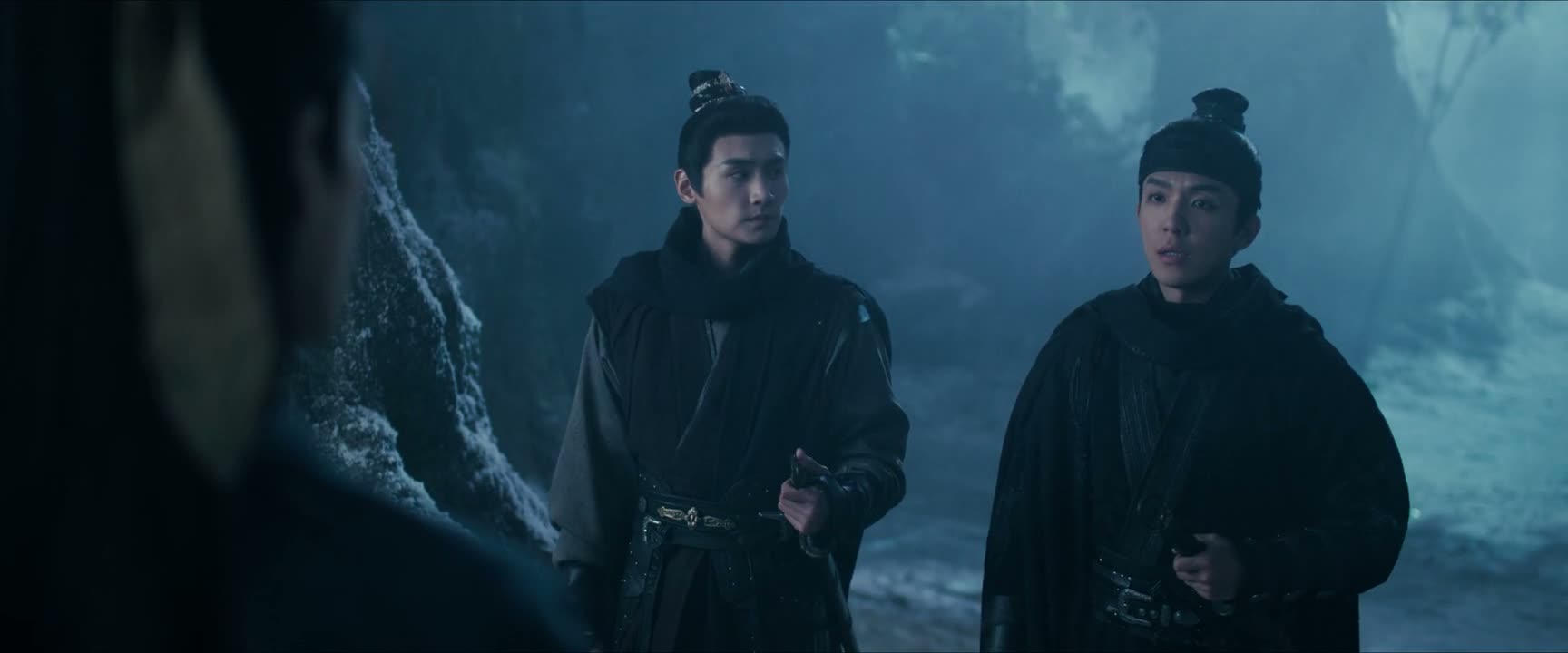
“it's late. You should head back and rest”

“It's not even dark yet, and you're already wasted.”
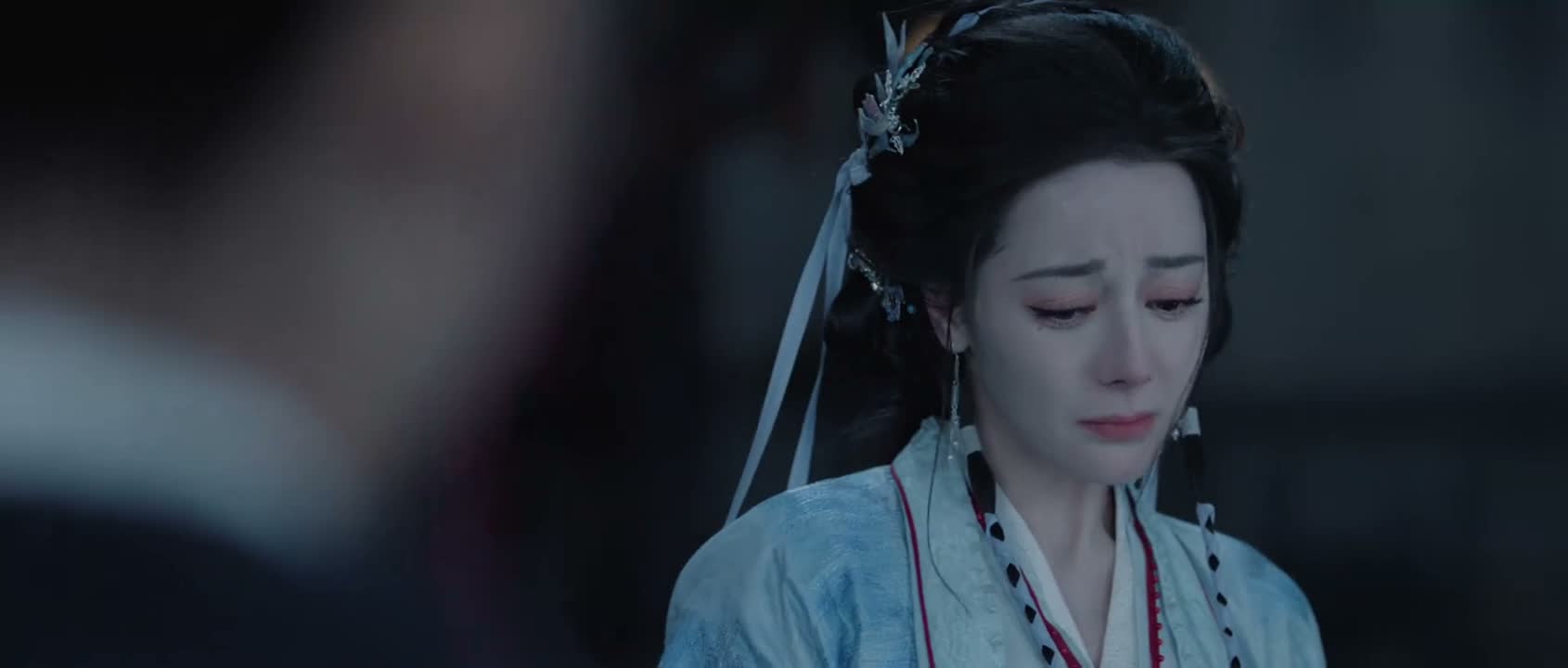
“It's so late. Let me walk you home.”

“It's too dark to see clearly. Do we need to enter the shop?”
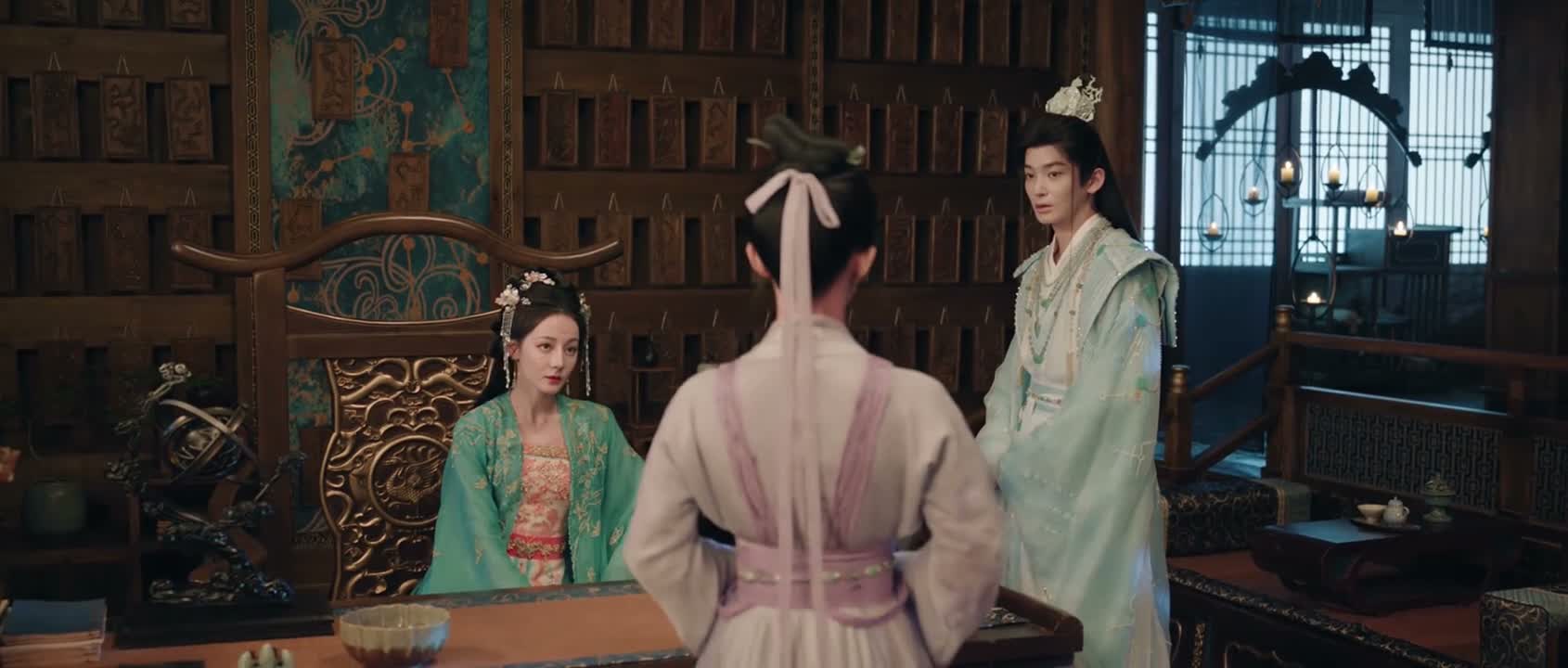
“It is late. You should sleep now.”