别丢下我 爹 爹
“Don't leave me, Father! Father!”
THE DIALOGUE REEL
爹
“Father! Father!”
别丢下我 爹 爹
“Don't leave me, Father! Father!”
爹
“Father!”
Direct spoken expression in this communicative setting.
The term '爹' represents a traditional or rural kinship address reflecting filial dependence, frequently used in historical cinema to evoke raw emotional vulnerability.
LEARNING CHUNKS & PARTICLES
don't leave me behind; don't abandon me
An emotional plea commonly heard in dramatic scenes of separation, emergency, or danger.
Dad; Father
A traditional, rural, or period-drama term of address for one's father, equivalent to '爸爸' in modern standard speech.
VOCABULARY & EXPRESSIONS
Parallel Spoken Cinema Scenes (语义近邻切片)
“Don't go, Father! Father!”
“Don't leave me! Father!”
“Father, don't leave me! Father! Father!”
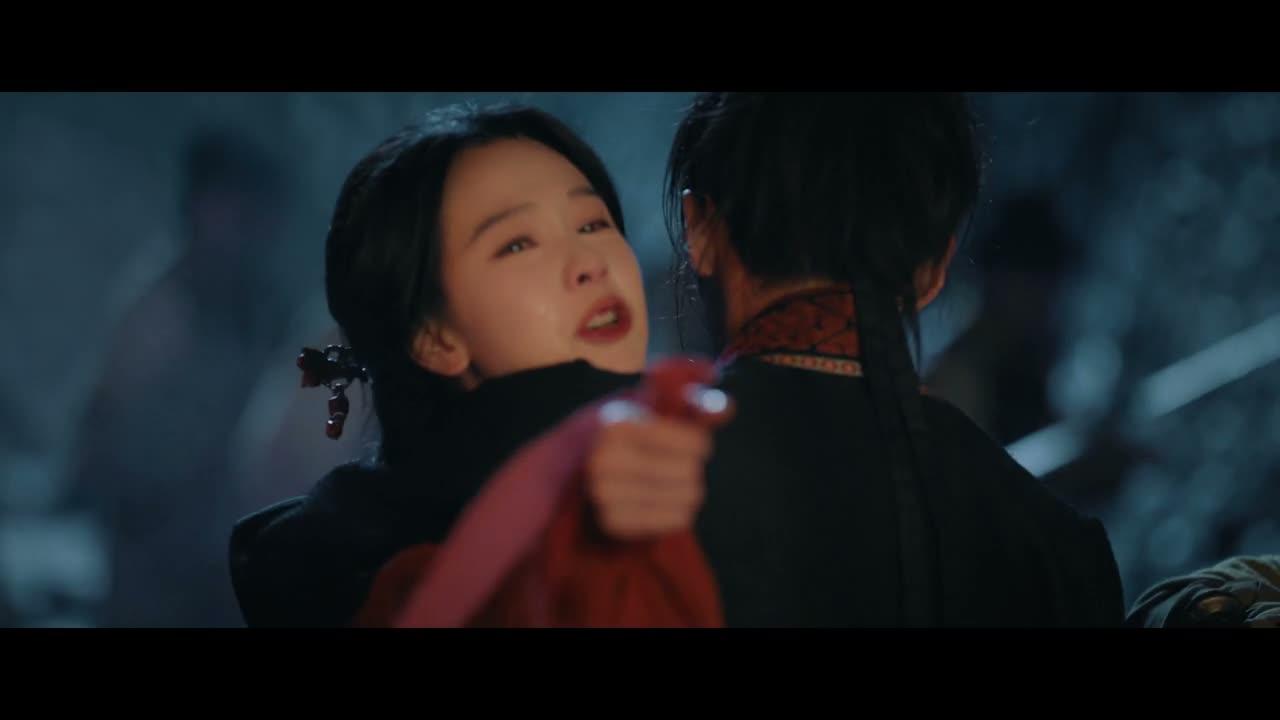
“Don't leave me alone!”
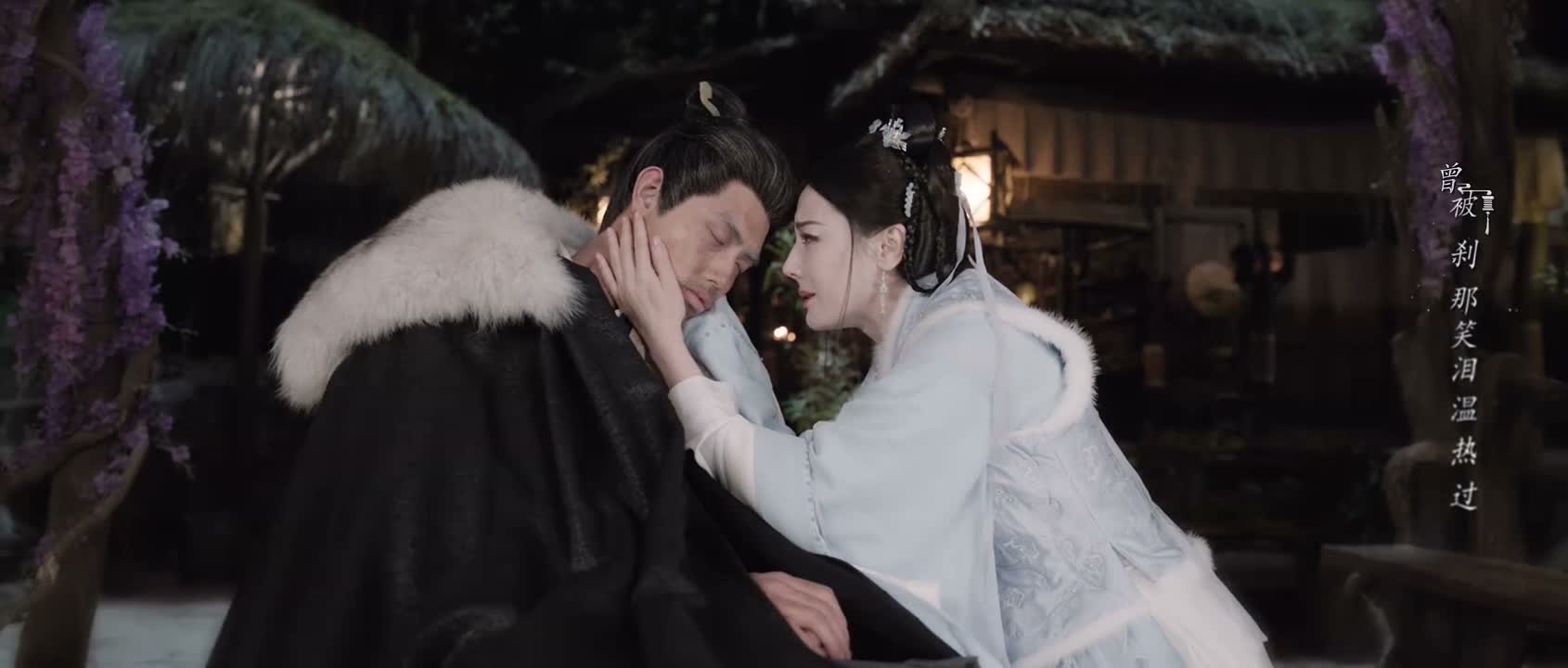
“Stay with me.”
“Don't leave me.”