那谁能想到是这么个结局啊
“Who would've thought it would end like this?”
THE DIALOGUE REEL
喜欢送你 真的
“If you like it, it's yours. Really?”
那谁 能想到是这么个结局啊
“Who would've thought it would end like this?”
居然就搬走了
“He actually moved out.”
“Nobody could have foreseen such an abrupt and disappointing outcome.”
Rhetorical reflections like 'who could have known' reflect a philosophical acceptance of life's unpredictability and sudden turns of events.
LEARNING CHUNKS & PARTICLES
who could have thought; nobody could have predicted
A frequent rhetorical chunk used to introduce unexpected news or shocking plot twists.
such an outcome; an ending like this
Used colloquially to express disappointment or bewilderment at the final result of a situation.
Enhances the rhetorical force and expresses sighing bewilderment or regret.
VOCABULARY & EXPRESSIONS
Parallel Spoken Cinema Scenes (语义近邻切片)
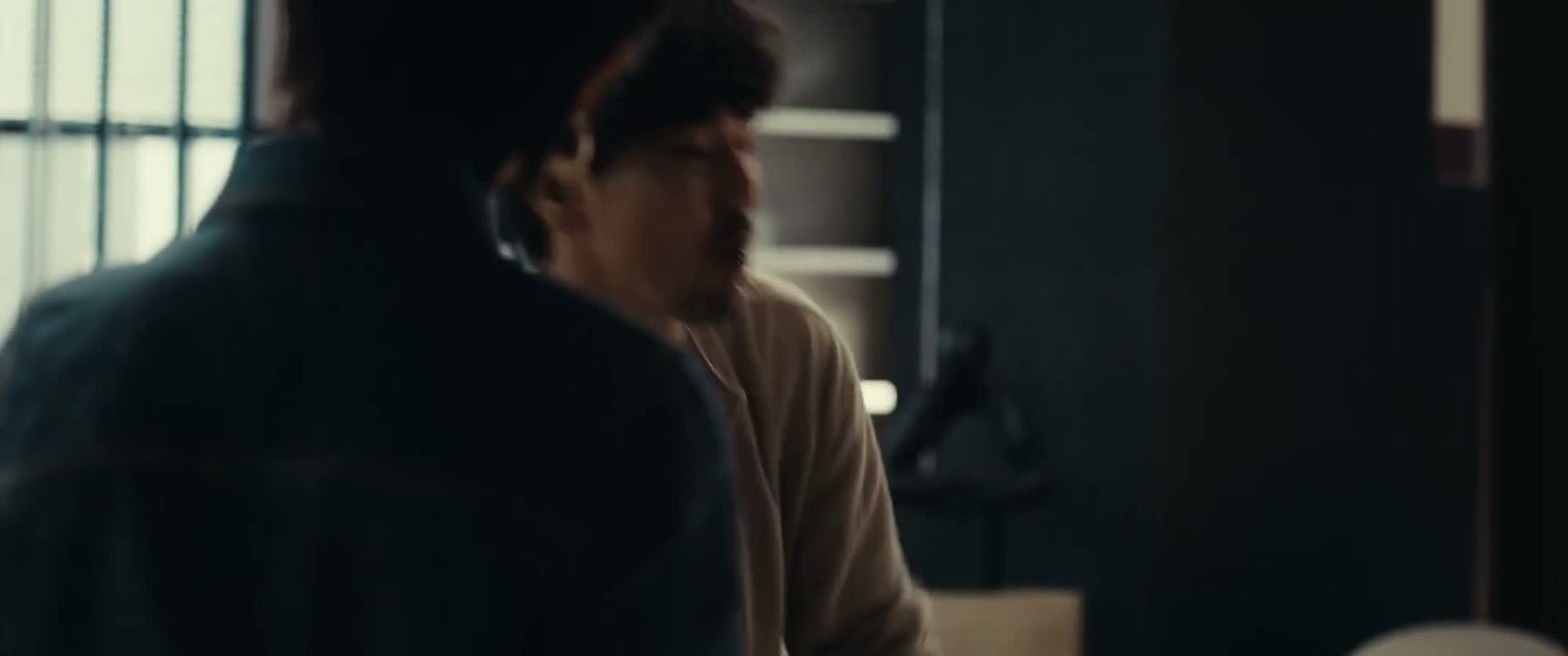
“Who could've seen this coming? Right?”

“he'd end up like this?”

“and this is how it ends.”

“And this is how it ended.”