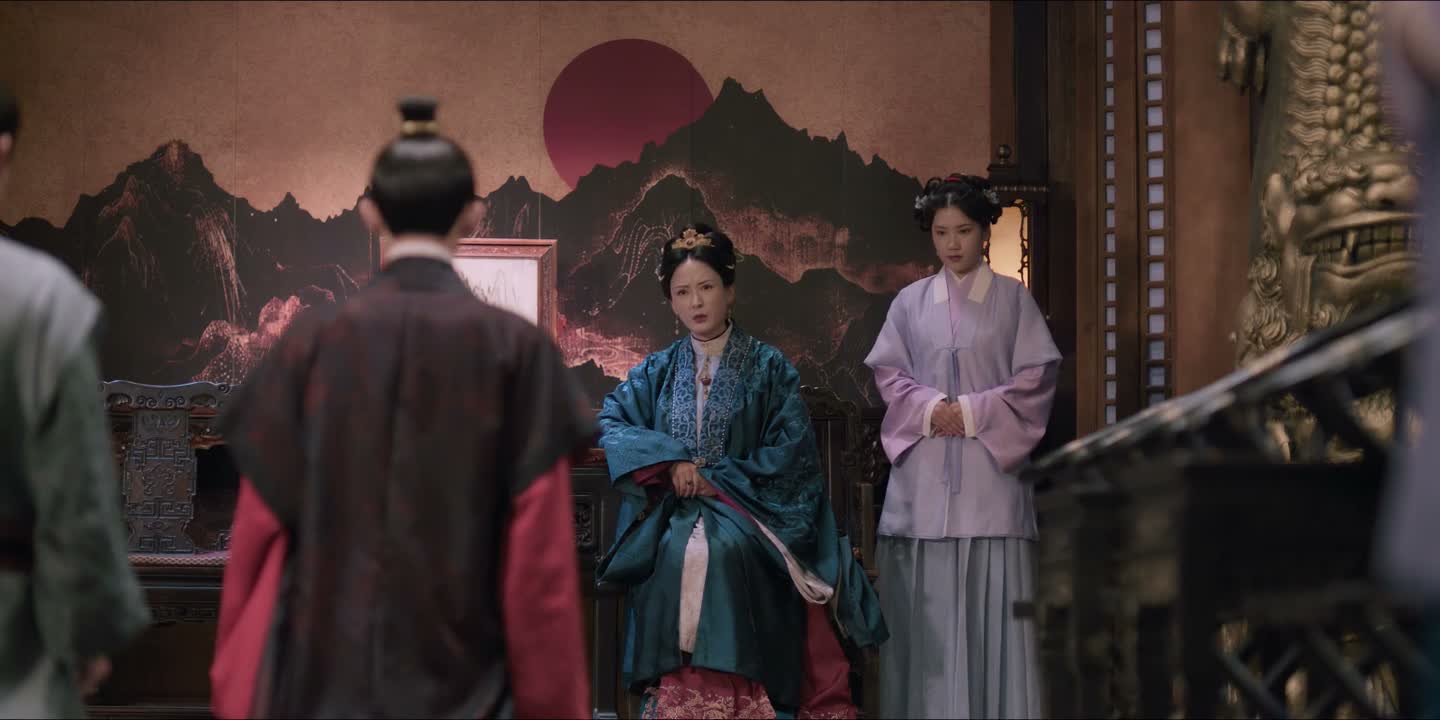
这个后果谁能想得到啊 你说是不是
“Who could've seen this coming? Right?”
THE DIALOGUE REEL
“Before you speak, use your brain and think of the consequences! Hold on.”
这个 后果 谁能想得到 啊 你说是不是
“Who could've seen this coming? Right?”
“You know what I said. So you must agree with me.”
“You cannot blame me for something nobody could have predicted, so agree with me.”
Appealing to collective limitations ('who could have foreseen this') is a standard face-saving tactic in Chinese conflict management to mitigate personal culpability.
LEARNING CHUNKS & PARTICLES
who could have anticipated / who would have thought
A set phrase used to emphasize that an outcome was entirely unforeseeable, commonly used to evade blame.
don't you agree? / right?
A conversational tag used to pull the listener into agreement and create rhetorical pressure.
Adds emotional intensity and persuasive emphasis to the rhetorical question.
VOCABULARY & EXPRESSIONS
Parallel Spoken Cinema Scenes (语义近邻切片)

“Who would've thought it would end like this?”
“But what happened? You didn't listen at all.”

“But what happened? Do you think you're too clever?”