《Go Ahead》 S1·E16 (33:52)
HSK 5
dōu shì dà rén zào de niè
都是大人造的孽
“We made mistakes,”
《Go Ahead》
S1·E16
TIMECODE: 33:52
·
1080P MASTER AUDIO
THE DIALOGUE REEL
[-1] PREVIOUS TURN
jiù bǎ hái zi fàng huí lái le ne
就把孩子放回来了呢
“back so easily.”
dōu shì dà rén zào de niè
CURRENT FOCUS
都是大人 造的孽
“We made mistakes,”
[+1] FOLLOW-UP TURN
nǐ shuō dào zuì hòu kǔ ràng hái zi chī
你说到最后苦让孩子吃
“but it's our child who is suffering.”
Subtitles synced to millisecond timecode
Browse Show Clips →
Scene:
Family & Home
Function:
LAMENTING AND BLAMING
Tone:
CRITICAL AND SORROWFUL
Emotion:
INDIGNATION
WHAT THEY REALLY MEAN (PRAGMATIC SUBTEXT)
Direct spoken expression in this communicative setting.
💡 Cultural Insight: Karmic Blame across Generations
The Buddhist-derived concept of 'zaonie' (creating sin/karma) reflects the traditional belief that the irresponsible actions of parents inevitably inflict unjust suffering onto their children.
INTENT TAGS:
#blaming
#lamenting
#expressing_sympathy
#condemnation
🧩
1 CHUNKS · 0 PARTICLES
LEARNING CHUNKS & PARTICLES
造孽
SPOKEN CHUNK
to commit a sin; to cause misery or misfortune
A strong colloquial term rooted in Buddhist karma, used to lament that someone's reckless actions bring unnecessary suffering to others.
🏮
1 EXPR · 0 GRAMMAR
VOCABULARY & EXPRESSIONS
COLLOQUIAL EXPRESSIONS:
CROSS-CINEMA CORPUS BOARD · PARALLEL SCENES
EXPLORE BY SEMANTIC SIMILARITY
Parallel Spoken Cinema Scenes (语义近邻切片)
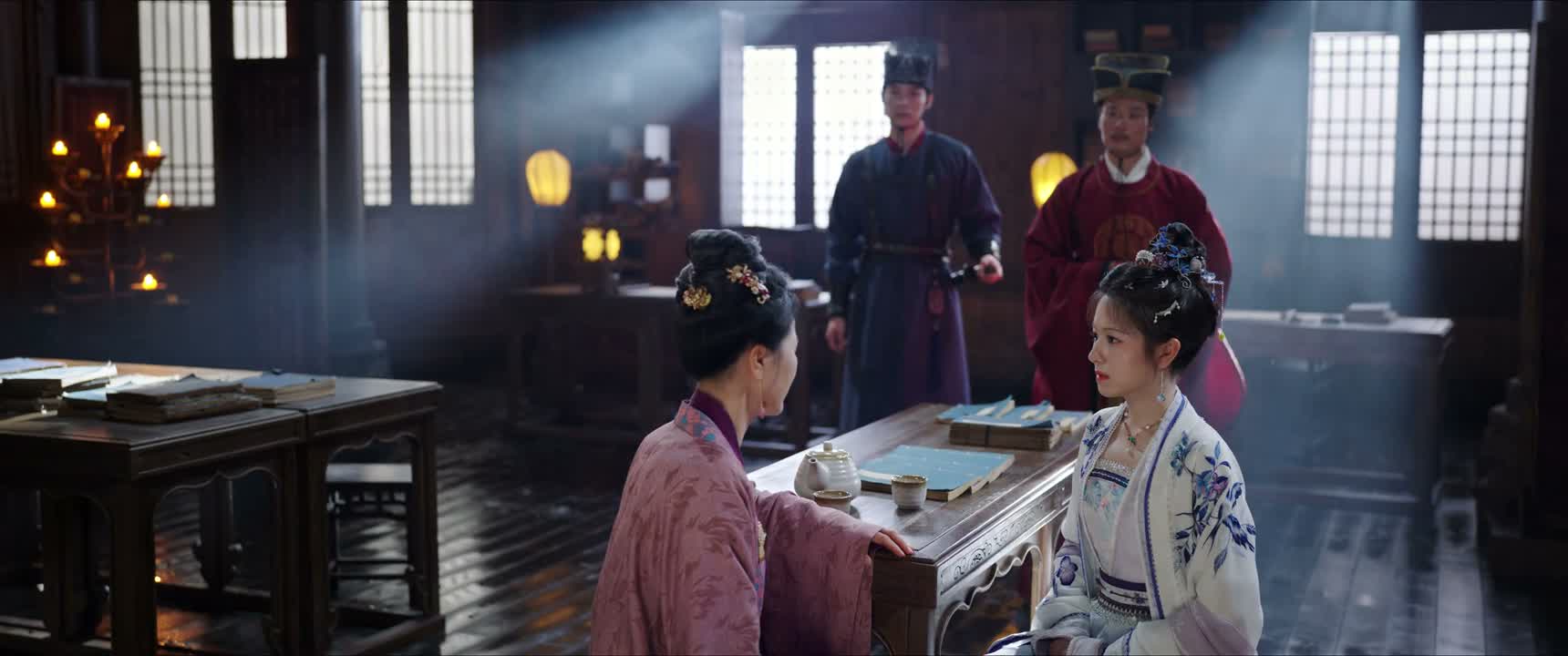
《Go Ahead》 S1·E16 (33:52) · Authentic Cinema Dialogue Corpus