MC
MandarinClips Cinema Corpus
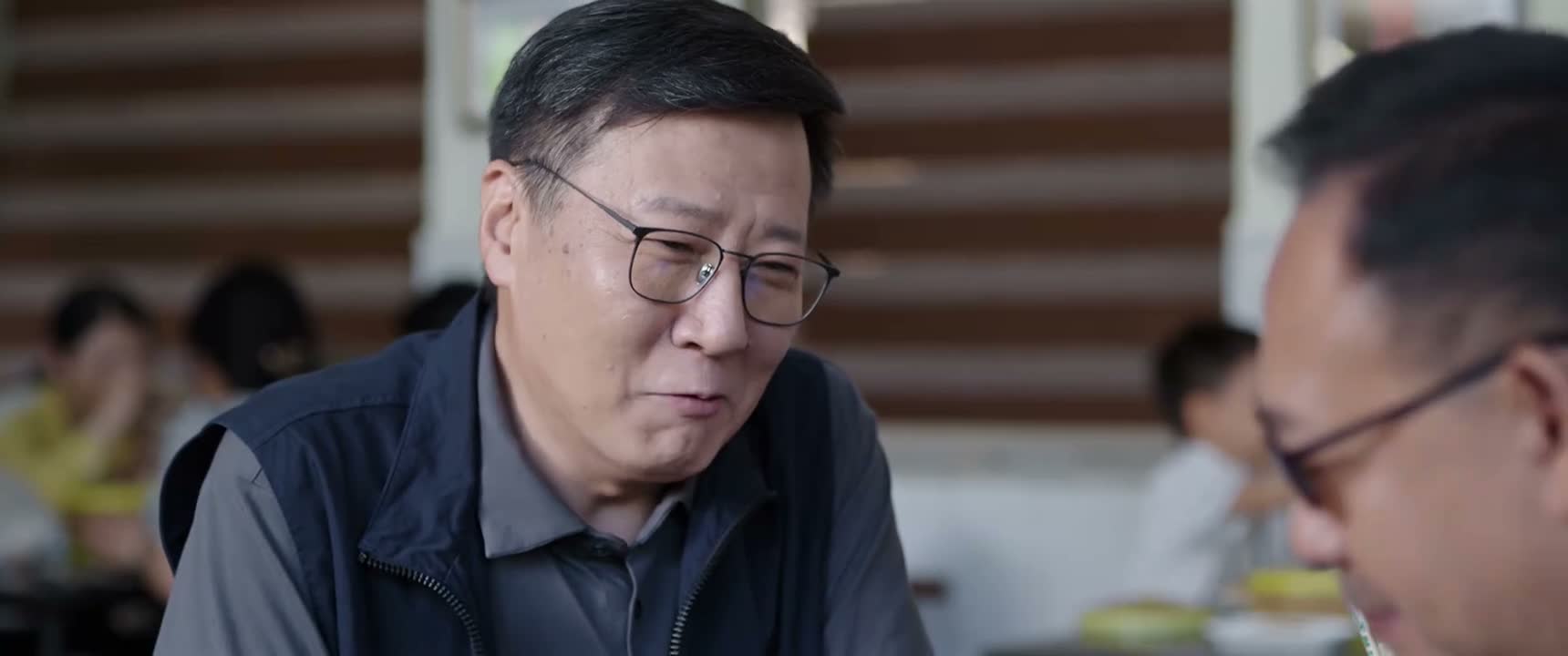
《Go Ahead》 S1·E16 (26:42) HSK 4
nǐ zěn me hái gēn ā yí kè qì ne

你怎么还跟阿姨客气呢

“You don't have to be so polite to me.”

《Go Ahead》 S1·E16
TIMECODE: 26:42 · 1080P MASTER AUDIO

THE DIALOGUE REEL

1+1+1 SPOKEN CONTINUITY
[-1] PREVIOUS TURN ā yí wǒ zì jǐ lái jiù hǎo le wǒ zì jǐ lái jiù hǎo le bù yòng bù yòng

阿姨 我自己来就好了 我自己来就好了 不用不用

“Mrs. Qi, I can do it myself. I can do it myself. No need.”

nǐ zěn me hái gēn ā yí kè qì ne CURRENT FOCUS

你 怎么还 跟阿姨客气 呢

“You don't have to be so polite to me.”

[+1] FOLLOW-UP TURN nǐ zhè hái zi cóng xiǎo méi yǒu mā mā dōu méi yǒu rén guǎn nǐ

你这孩子从小没有妈妈 都没有人管你

“You lost your mother when you were little and nobody took care of you.”

Subtitles synced to millisecond timecode Browse Show Clips →
Scene: Family & Home
Function: REJECTING POLITENESS
Tone: WARM
Emotion: AFFECTION
WHAT THEY REALLY MEAN (PRAGMATIC SUBTEXT)
“Treat me like your own mother and let me take care of you; we are family.”
💡 Cultural Insight: Rejecting Politeness for Intimacy (Bu Ke Qi)

In Chinese culture, being polite (keqi) can imply social distance; among true family and close friends, accepting favors and being informal demonstrates genuine trust and bond.

INTENT TAGS: #nurturing #reducing_distance #warmth #scolding_affectionately
🧩

LEARNING CHUNKS & PARTICLES

1 CHUNKS · 1 PARTICLES
跟……客气 SPOKEN CHUNK

to act overly polite or formal towards someone

Frequently negated in close relationships to request warmth and eliminate stiff manners.

Modal Particle「呢」 (ne) CHANGE OF STATE

Softens the rhetorical question into an affectionate, slightly chiding nudge rather than a genuine demand for an explanation.
🏮

VOCABULARY & EXPRESSIONS

2 EXPR · 0 GRAMMAR
CROSS-CINEMA CORPUS BOARD · PARALLEL SCENES

Parallel Spoken Cinema Scenes (语义近邻切片)

EXPLORE BY SEMANTIC SIMILARITY
《Go Ahead》 S1·E16 (26:42) · Authentic Cinema Dialogue Corpus