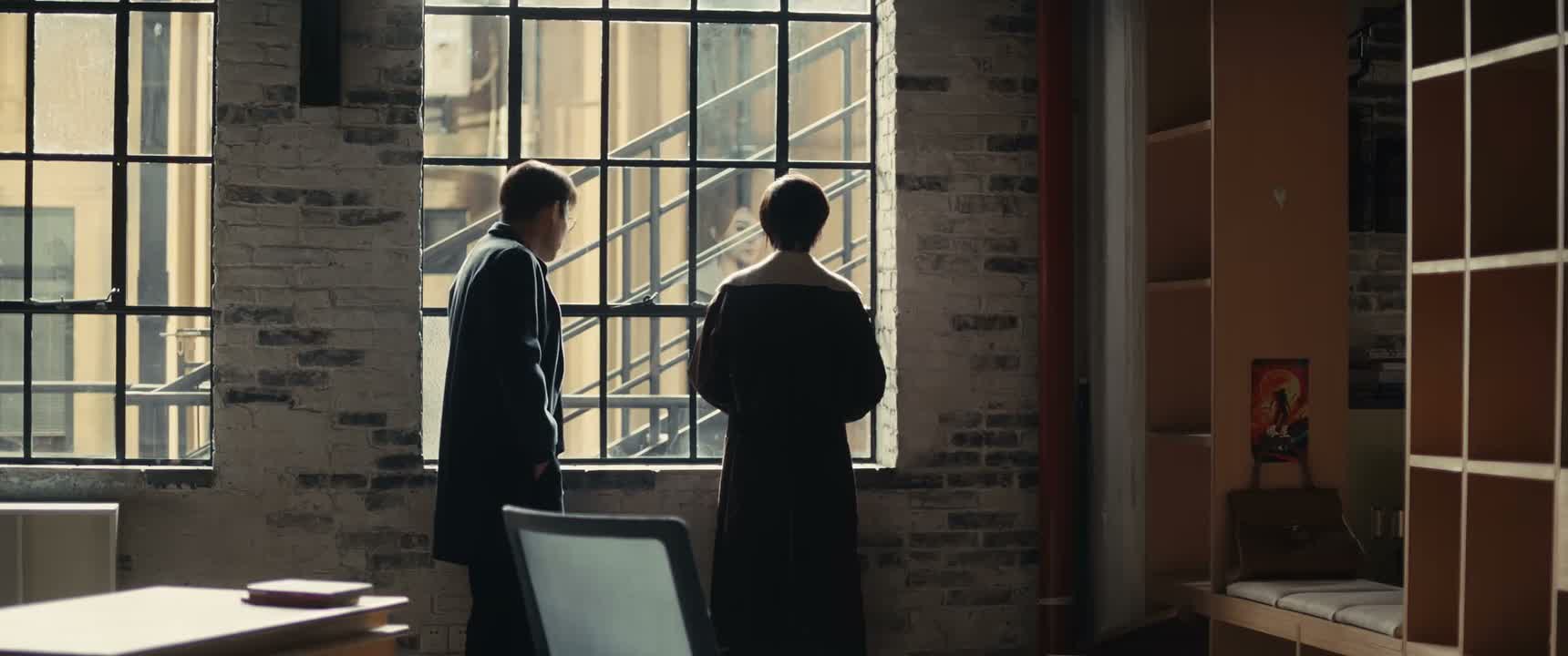
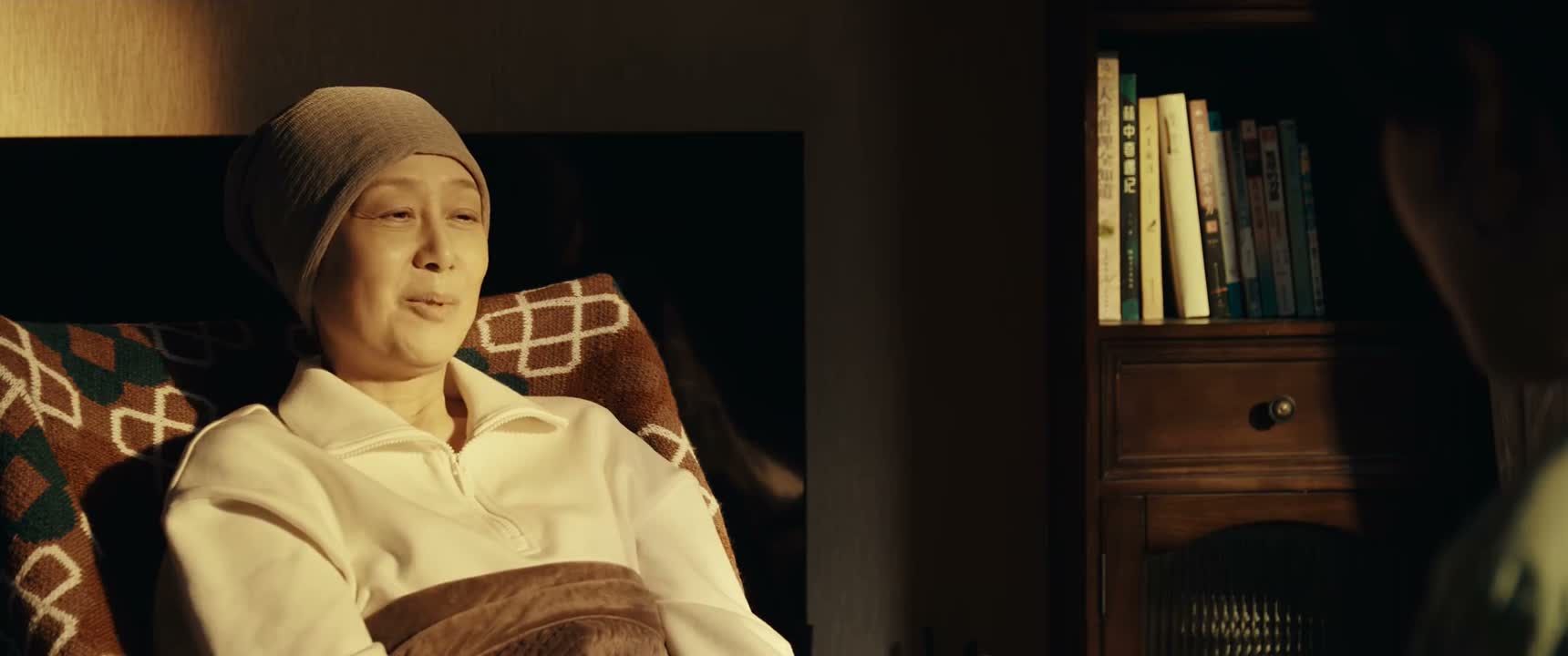
《Love Story in the 1970s》 S1·E14 (04:08)
HSK 7
zhè zhāng chàng piàn wǒ xuǎn le hǎo jiǔ de nǐ xǐ huān ma
这张唱片我选了好久的 你喜欢吗
“I took a long time to pick this record. Do you like it?”
《Love Story in the 1970s》
S1·E14
TIMECODE: 04:08
·
1080P MASTER AUDIO
THE DIALOGUE REEL
[-1] PREVIOUS TURN
zěn me yàng
怎么样
“How is it?”
zhè zhāng chàng piàn wǒ xuǎn le hǎo jiǔ de nǐ xǐ huān ma
CURRENT FOCUS
这张唱片我 选了好久 的 你喜欢吗
“I took a long time to pick this record. Do you like it?”
[+1] FOLLOW-UP TURN
mò zhā tè
莫扎特
“Mozart?”
Subtitles synced to millisecond timecode
Browse Show Clips →
Scene:
Social & Dating
Function:
SEEKING VALIDATION
Tone:
EARNEST
Emotion:
ANTICIPATION
WHAT THEY REALLY MEAN (PRAGMATIC SUBTEXT)
“I put a lot of thought into this for you, so I really hope you appreciate it.”
💡 Cultural Insight: Gift-giving and Heart-mind (Xinyi)
In Chinese social interaction, pointing out the effort spent selecting a gift underscores sincere care ('xinyi') rather than merely the material value of the object.
INTENT TAGS:
#gift_giving
#seeking_approval
#expressing_affection
#probing
🧩
2 CHUNKS · 1 PARTICLES
LEARNING CHUNKS & PARTICLES
选了好久的
SPOKEN CHUNK
spent a long time picking out
Used to emphasize the time and careful effort put into selecting a gift or item for someone.
你喜欢吗
SPOKEN CHUNK
do you like it?
A standard, direct question used when offering a gift or sharing something personal to gauge the listener's reaction.
Modal Particle「吗」 (ma)
CHANGE OF STATE
Forms a standard yes-no question seeking the listener's opinion or preference.
🏮
2 EXPR · 0 GRAMMAR
VOCABULARY & EXPRESSIONS
COLLOQUIAL EXPRESSIONS:
CROSS-CINEMA CORPUS BOARD · PARALLEL SCENES
EXPLORE BY SEMANTIC SIMILARITY
Parallel Spoken Cinema Scenes (语义近邻切片)
《Love Story in the 1970s》 S1·E14 (04:08) · Authentic Cinema Dialogue Corpus