看来以后 我还是要多来
“It seems I need to visit more often.”
THE DIALOGUE REEL
好
“Okay.”
看来 以后 我还是要多来
“It seems I need to visit more often.”
里边请 里边请
“Please, come in.”
“You are treating me so well that I feel very welcome here.”
Saying one ought to visit more often is standard social etiquette in Chinese culture to affirm the host's generosity and hospitality.
LEARNING CHUNKS & PARTICLES
it seems like; apparently
Used at the start of a clause to state a conclusion drawn from current circumstances.
still ought to; would be better to
Softens an assertion by framing a planned action as a sensible realization.
visit more frequently
A staple polite social formula used by guests to flatter a gracious host.
VOCABULARY & EXPRESSIONS
Parallel Spoken Cinema Scenes (语义近邻切片)

“Our future plans still need your acting skills.”
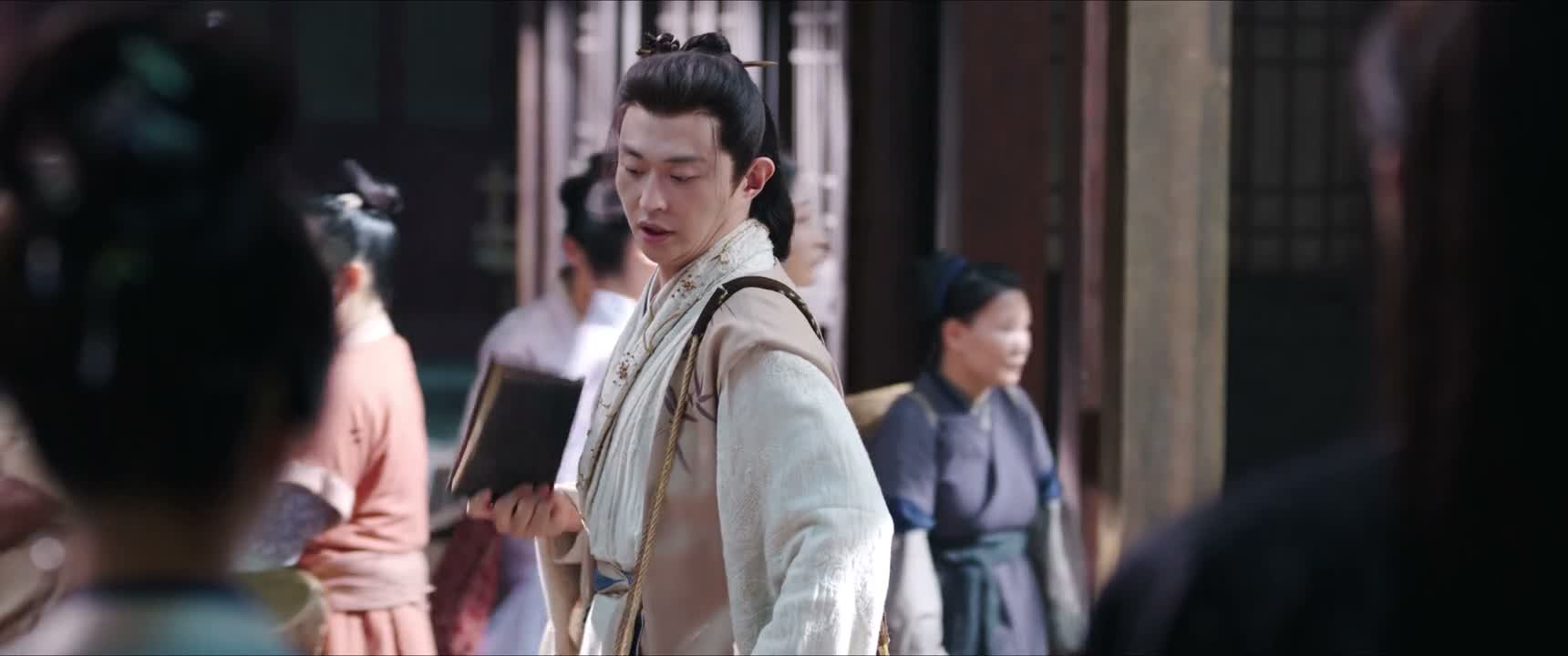
“Next time we meet, let's see whose skills have gotten better.”
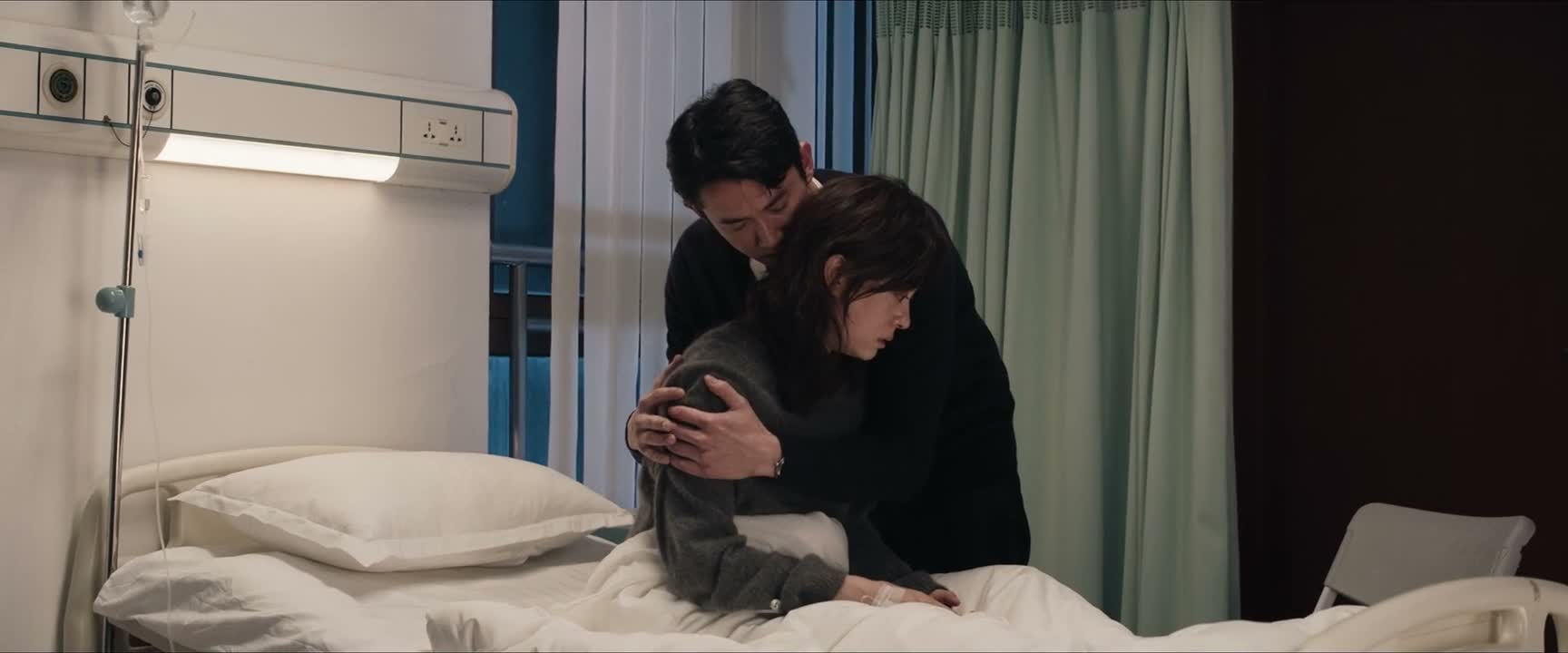
“But later, I could also feel”

“From now on, I'll spare no effort”