MC
MandarinClips Cinema Corpus
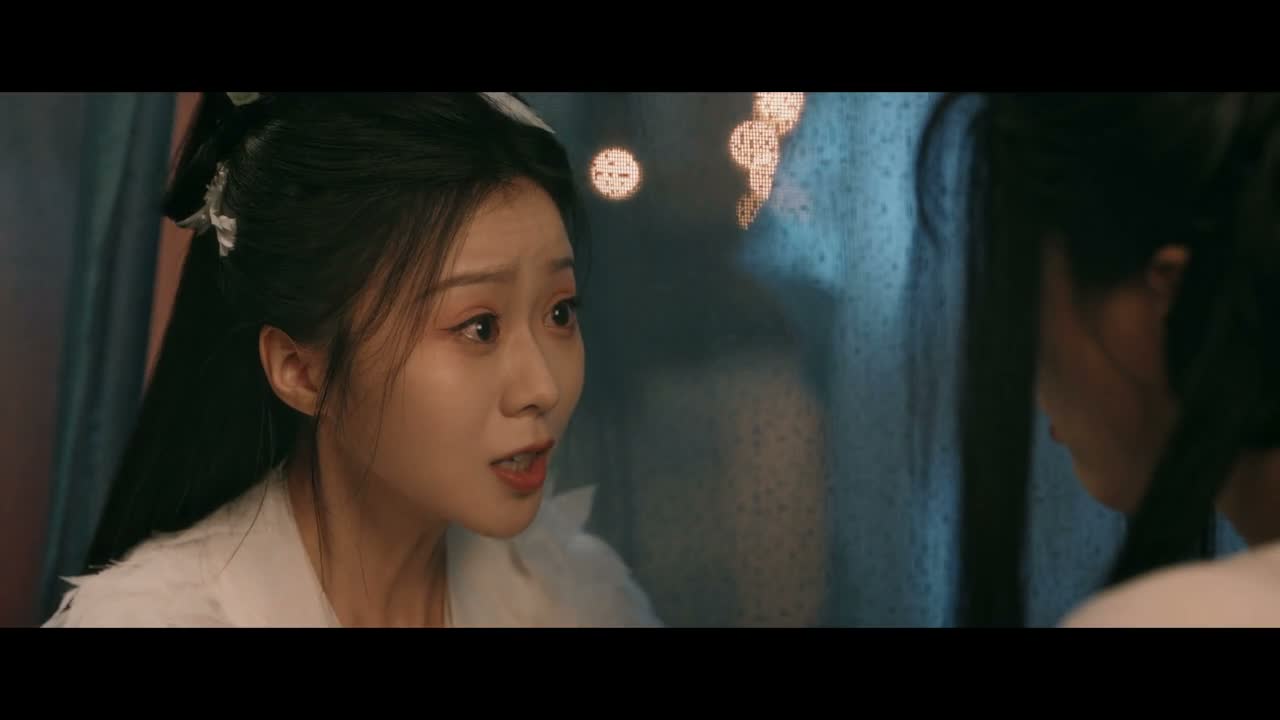
《Born to Be Alive》 S1·E28 (25:06) HSK 3
rán hòu ne rán hòu nǐ shuō shá le

然后呢 然后你说啥了

“And then? What did you say then?”

《Born to Be Alive》 S1·E28
TIMECODE: 25:06 · 1080P MASTER AUDIO

THE DIALOGUE REEL

1+1+1 SPOKEN CONTINUITY
[-1] PREVIOUS TURN shì nǎ zhǒng qíng kuàng a

是哪种情况啊

“Shao Yunfei and I are in?”

rán hòu ne rán hòu nǐ shuō shá le CURRENT FOCUS

然后呢 然后 你说 啥了

“And then? What did you say then?”

[+1] FOLLOW-UP TURN wǒ hái néng shuō shá

我还能说啥

“What could I say?”

Subtitles synced to millisecond timecode Browse Show Clips →
Scene: Social & Dating
Function: DEMANDING DETAILS
Tone: EAGER
Emotion: CURIOSITY
WHAT THEY REALLY MEAN (PRAGMATIC SUBTEXT)

Direct spoken expression in this communicative setting.

💡 Cultural Insight: Casual Narrative Engagement (Baguacity)

Repeating prompts like 'and then?' shows active listening and intense curiosity in informal Chinese conversational gossip.

INTENT TAGS: #curiosity #inquiry #prompting #eagerness
🧩

LEARNING CHUNKS & PARTICLES

2 CHUNKS · 2 PARTICLES
然后呢 SPOKEN CHUNK

and then? / what next?

A highly frequent conversational prompt used to urge a storyteller to continue.

你说啥了 SPOKEN CHUNK

what did you say?

An informal spoken inquiry, typical of Northern Mandarin colloquial speech using '啥' instead of '什么'.

Modal Particle「呢」 (ne) CHANGE OF STATE

Softens the inquiry and signals an expectation for the narrative to continue.

Modal Particle「了」 (le) CHANGE OF STATE

Marks completed action, focusing the question on what was specifically uttered in that past moment.
🏮

VOCABULARY & EXPRESSIONS

2 EXPR · 0 GRAMMAR
CROSS-CINEMA CORPUS BOARD · PARALLEL SCENES

Parallel Spoken Cinema Scenes (语义近邻切片)

EXPLORE BY SEMANTIC SIMILARITY
《Born to Be Alive》 S1·E28 (25:06) · Authentic Cinema Dialogue Corpus