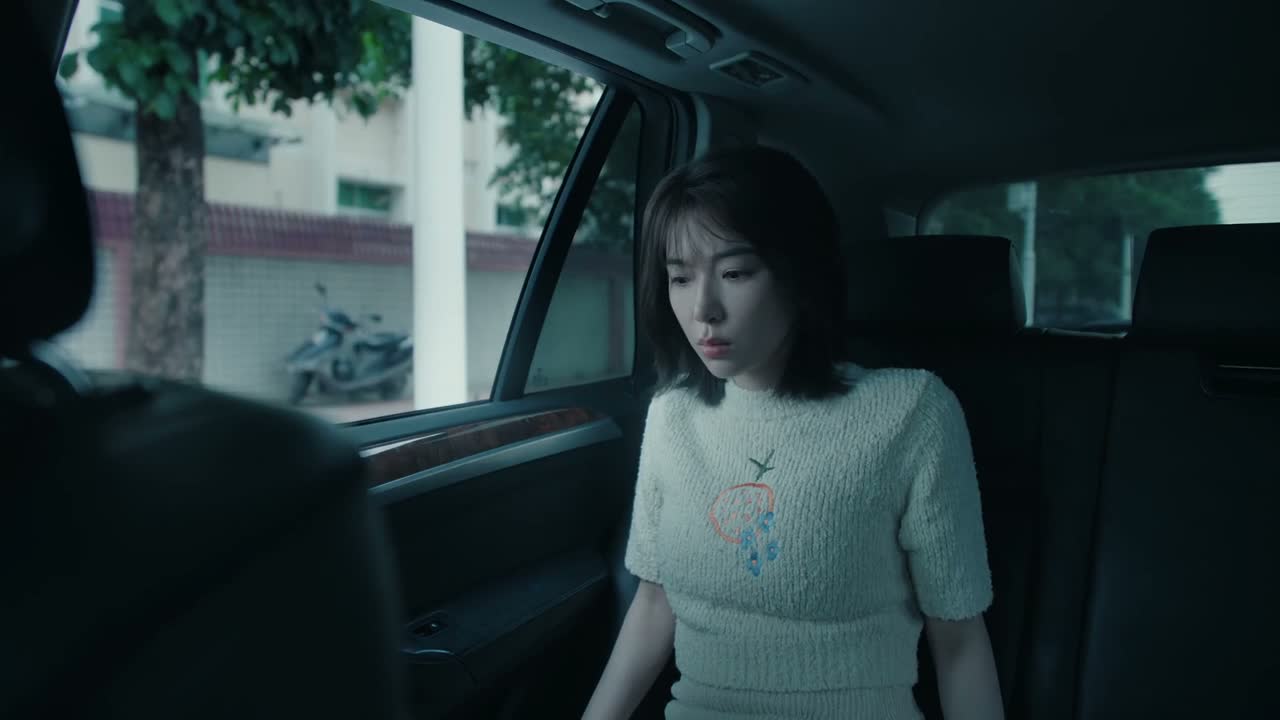
《Love Has Fireworks》 S1·E3 (37:27)
HSK 4
shuí pāi de wǒ yòu shén me shí hòu shàng nǐ de chē
谁拍的 我又什么时候上你的车
“Who took this? When did I ever get in your car?”
《Love Has Fireworks》
S1·E3
TIMECODE: 37:27
·
1080P MASTER AUDIO
THE DIALOGUE REEL
[-1] PREVIOUS TURN
nǐ shuō ya
你说呀
“Tell me.”
shuí pāi de wǒ yòu shén me shí hòu shàng nǐ de chē
CURRENT FOCUS
谁拍的 我又 什么时候 上你的车
“Who took this? When did I ever get in your car?”
[+1] FOLLOW-UP TURN
shì bú shì gěi wǒ xià mí yào le wǒ zěn me shén me dōu bú jì dé shén me xià
“Did you drug me? Why don't I remember anything? Drug you?”
Subtitles synced to millisecond timecode
Browse Show Clips →
Scene:
Crisis & Conflict
Function:
DEMANDING EXPLANATION
Tone:
AGITATED
Emotion:
CONFUSION
WHAT THEY REALLY MEAN (PRAGMATIC SUBTEXT)
“I have zero recollection of ever being in your car, so someone must be framing me!”
💡 Cultural Insight: Rhetorical Self-Defense
Using 'you shenme shihou' (when on earth did I...) is a standard Chinese conversational strategy to assert total innocence through rhetorical denial.
INTENT TAGS:
#denial
#questioning
#self_defense
#confrontation
🧩
2 CHUNKS · 1 PARTICLES
LEARNING CHUNKS & PARTICLES
谁拍的
SPOKEN CHUNK
who took it (the photo)
A direct, abrupt rhetorical inquiry questioning the identity of an unseen photographer.
我又什么时候
SPOKEN CHUNK
and when did I ever...
The combination of '又' with a question word expresses strong rhetorical denial and pushback against an accusation.
Modal Particle「的」 (de)
CHANGE OF STATE
Marks the focus on the agent of the past action in an emphatic question structure.
🏮
1 EXPR · 0 GRAMMAR
VOCABULARY & EXPRESSIONS
COLLOQUIAL EXPRESSIONS:
CROSS-CINEMA CORPUS BOARD · PARALLEL SCENES
EXPLORE BY SEMANTIC SIMILARITY
Parallel Spoken Cinema Scenes (语义近邻切片)
《Love Has Fireworks》 S1·E3 (37:27) · Authentic Cinema Dialogue Corpus