崔郎早已不知所踪
“Young Master Cui was gone.”
THE DIALOGUE REEL
“By the time I escaped and returned to the temple,”
崔郎早已不知所踪
“Young Master Cui was gone.”
直至他
“Later, when I saw someone take office in Changsha”
Direct spoken expression in this communicative setting.
In classical and historical vernacular Chinese, attaching 'Lang' to a surname was a common, intimate way for women to address their lover or husband.
LEARNING CHUNKS & PARTICLES
whereabouts unknown; vanished without a trace
A formal four-character idiom frequently used to describe a person or object that has disappeared mysteriously.
long ago; long since
Use before verbs to emphasize that a situation or change was completed well before a particular point in time.
VOCABULARY & EXPRESSIONS
Parallel Spoken Cinema Scenes (语义近邻切片)
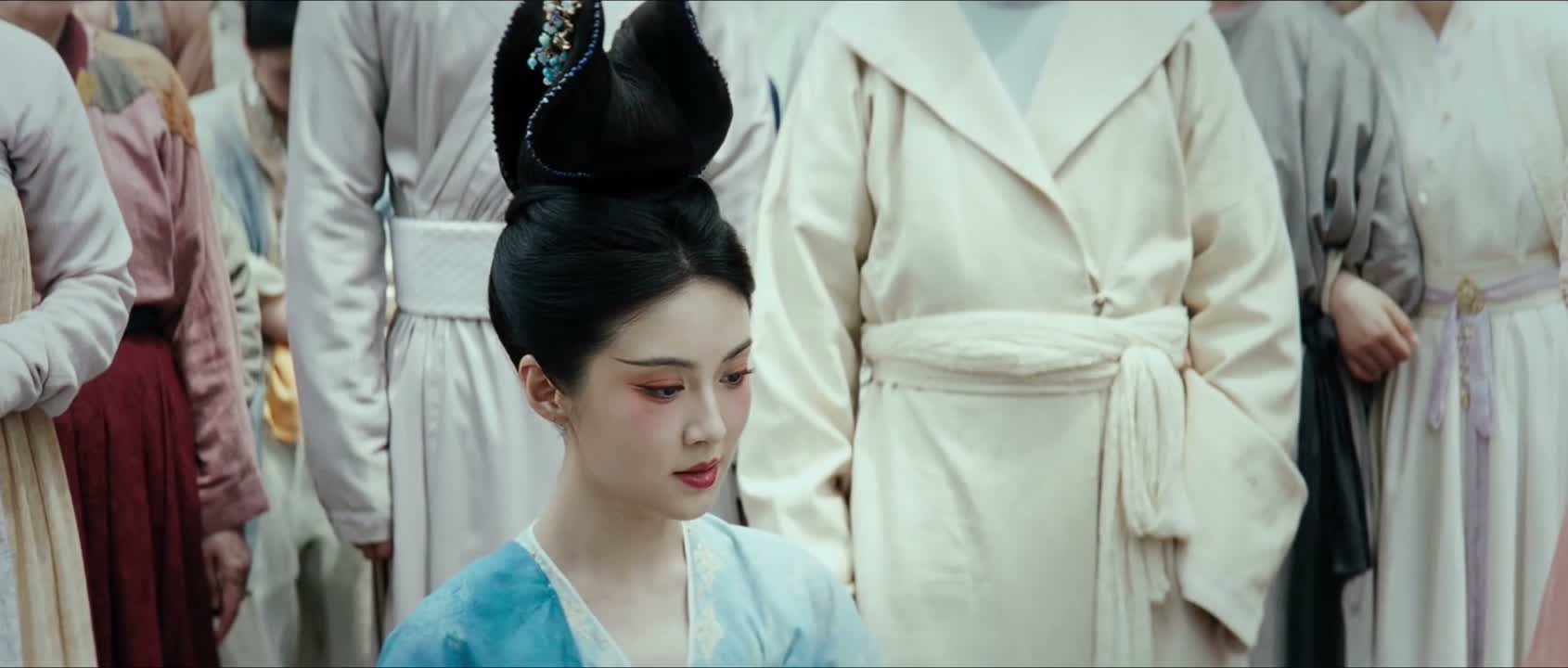
“that he was likely dead.”
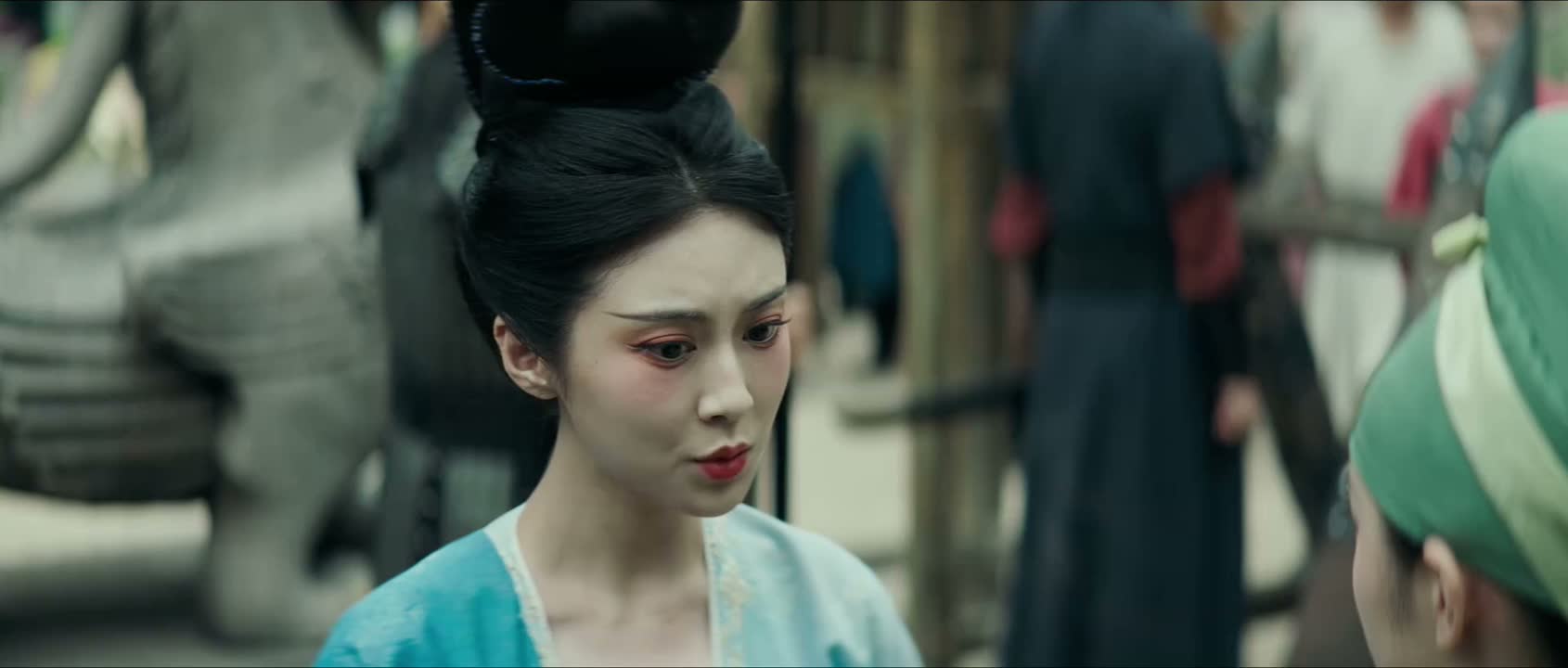
“Young Master Cui had been to Ji'an Village.”
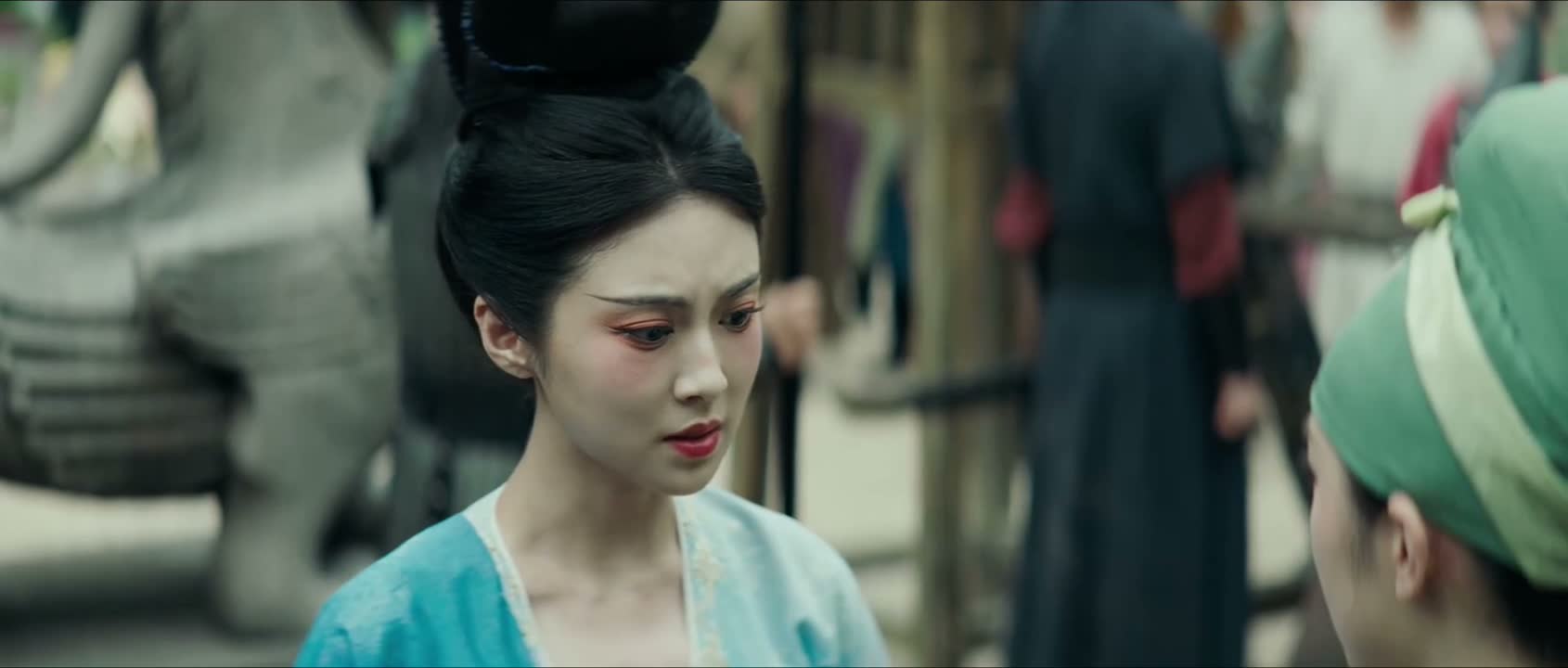
“I only remember Young Master Cui looking terribly pale.”
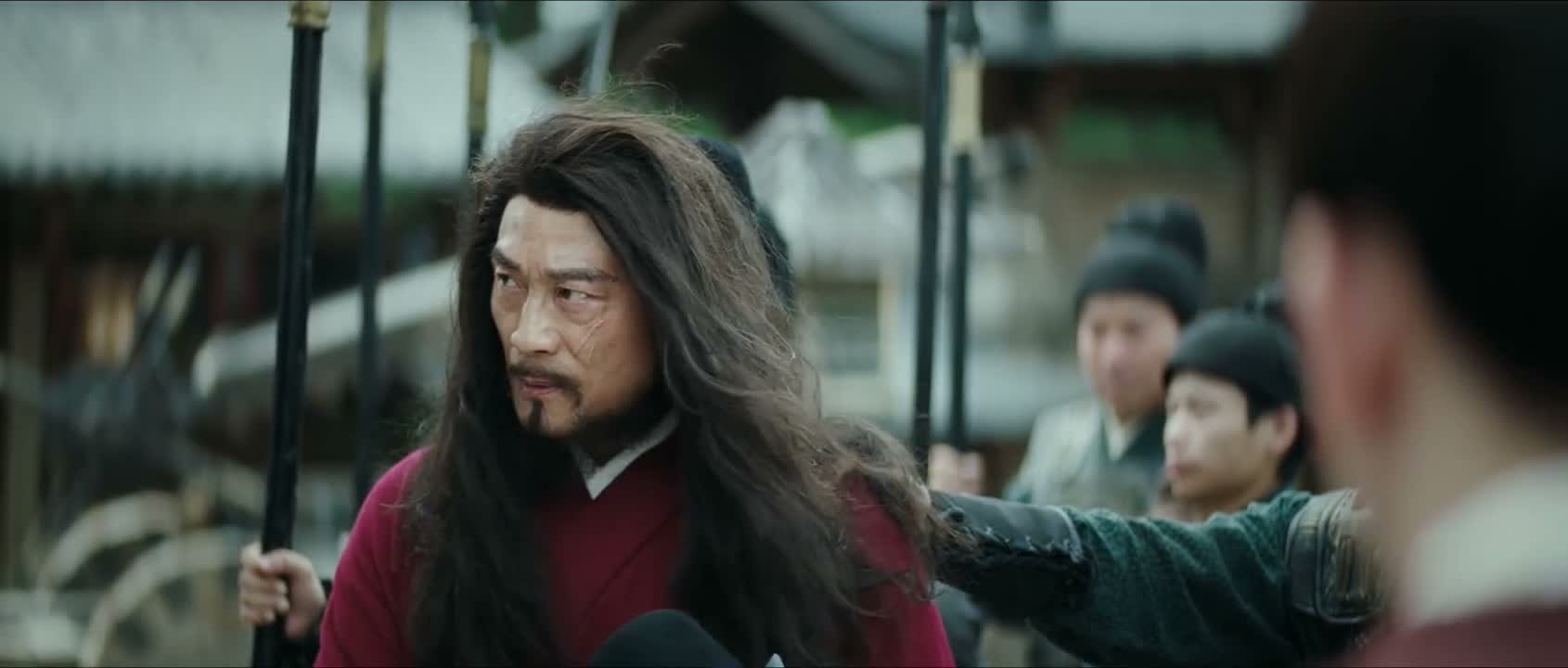
“conveniently erased all traces of Madam Cui's crimes.”
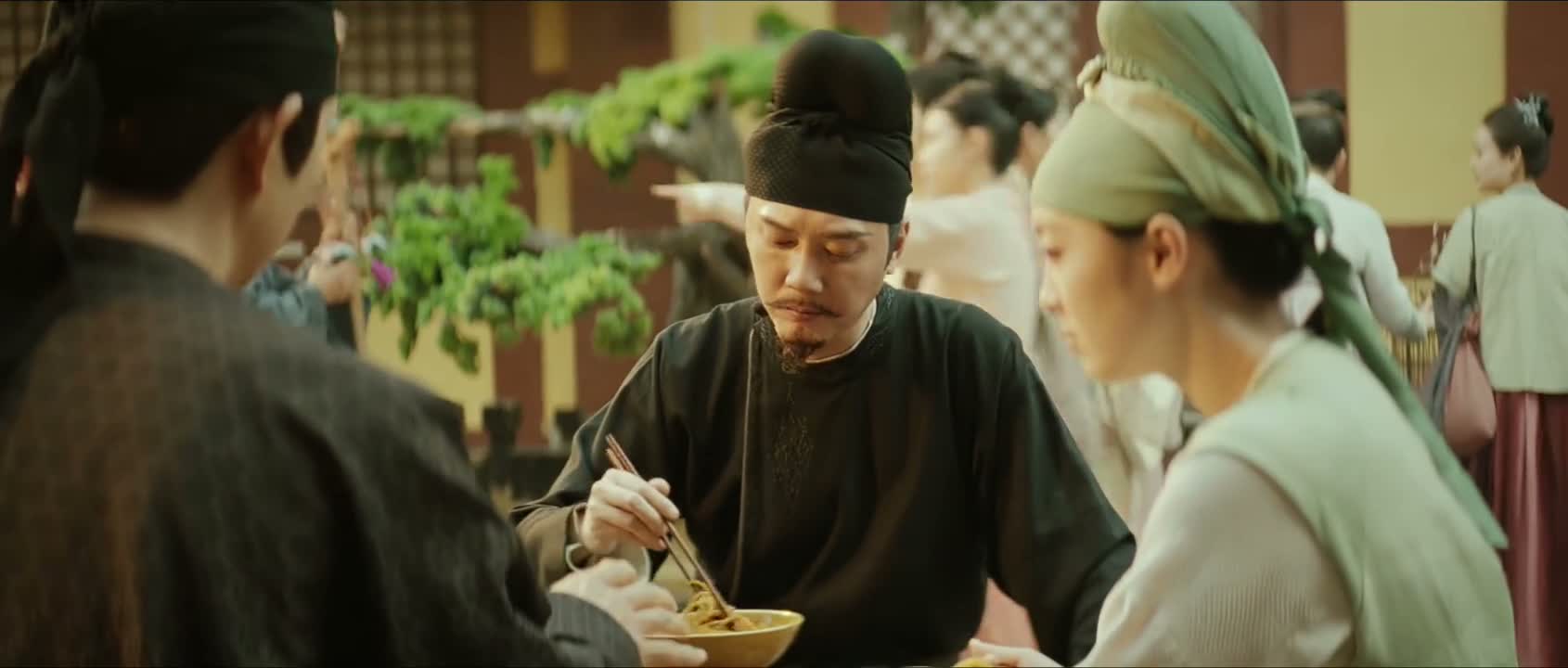
“Madam Cui undoubtedly faces the death penalty.”

“but there were no signs of Mrs. Fan or Changning.”