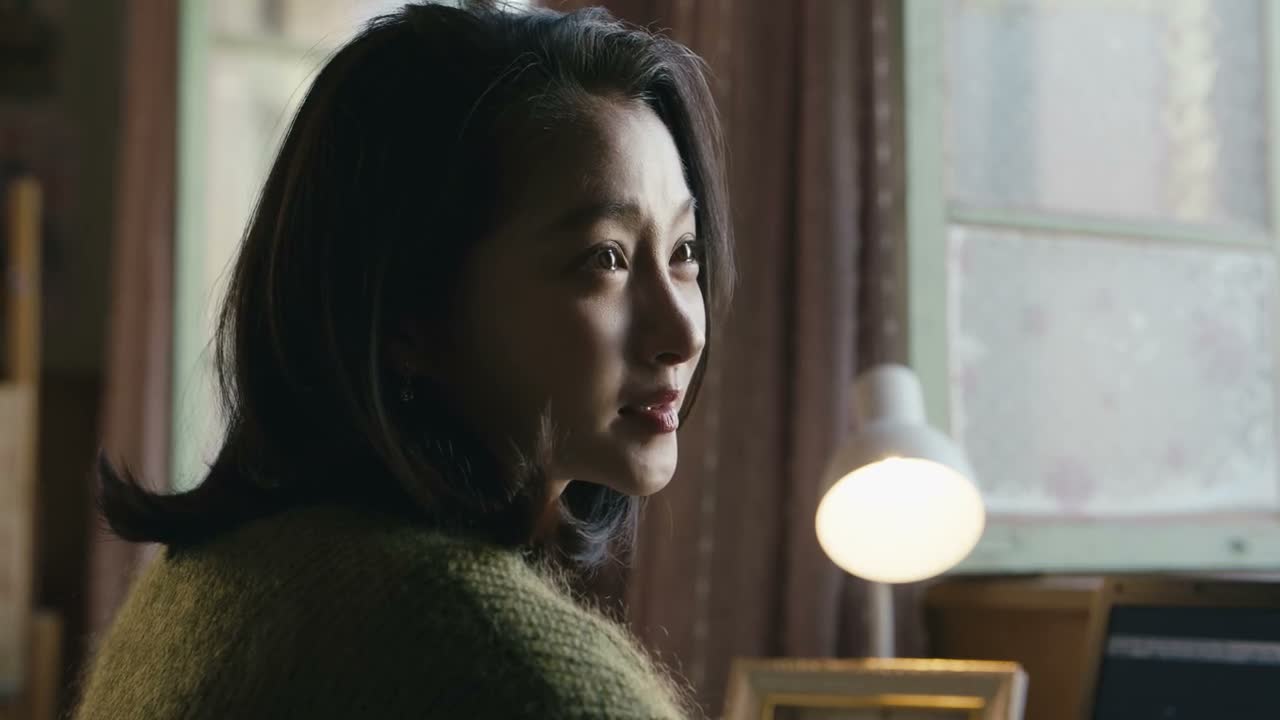
《Light to the Night》 S1·E11 (24:50)
HSK 2
zěn me bù rèn shí wǒ le ? wǒ jiù zhù zài lóu shàng
怎么不认识我了?我就住在楼上
“You don't recognize me? I live upstairs.”
《Light to the Night》
S1·E11
TIMECODE: 24:50
·
1080P MASTER AUDIO
THE DIALOGUE REEL
[-1] PREVIOUS TURN
- nǐ shì … - tā jiù shì wǒ gěi nǐ shuō de nà ge jiàn pán
- 你是… - 他就是我给你说的那个键盘
“You're… The keyboardist I told you about.”
zěn me bù rèn shí wǒ le ? wǒ jiù zhù zài lóu shàng
CURRENT FOCUS
怎么不 认识 我了?我就住在楼上
“You don't recognize me? I live upstairs.”
[+1] FOLLOW-UP TURN
dāng nián kě bèi nǐ men zhuī cǎn le
“You chased after me back then.”
Subtitles synced to millisecond timecode
Browse Show Clips →
Scene:
Daily Life
Function:
REINTRODUCING ONESELF
Tone:
TEASING
Emotion:
AMUSEMENT
WHAT THEY REALLY MEAN (PRAGMATIC SUBTEXT)
“Don't look so puzzled, you definitely know me from upstairs!”
💡 Cultural Insight: Neighborhood Familiarity (Linli Guanxi)
In traditional apartment complexes, neighbors often share casual bonds and tease each other warmly when crossing paths after a long time.
INTENT TAGS:
#reconnecting
#teasing
#clarification
#familiarity
🧩
2 CHUNKS · 1 PARTICLES
LEARNING CHUNKS & PARTICLES
不认识我了
SPOKEN CHUNK
don't recognize me anymore
Commonly said with a lighthearted or teasing tone when an old acquaintance fails to recognize you.
住在楼上
SPOKEN CHUNK
live upstairs
A clear spatial identification used to remind neighbors of who you are.
Modal Particle「了」 (le)
CHANGE OF STATE
Marks a change of state, implying that the person used to recognize them but now seemingly doesn't.
🏮
2 EXPR · 0 GRAMMAR
VOCABULARY & EXPRESSIONS
COLLOQUIAL EXPRESSIONS:
CROSS-CINEMA CORPUS BOARD · PARALLEL SCENES
EXPLORE BY SEMANTIC SIMILARITY
Parallel Spoken Cinema Scenes (语义近邻切片)

《Light to the Night》 S1·E11 (24:50) · Authentic Cinema Dialogue Corpus