你 你不要老这么挂相 好不好
“Stop... Stop wearing that look on your face all the time, okay?”
THE DIALOGUE REEL
干仗的样子啊
“someone says something, alright?”
你 你不要 老这么 挂相 好不好
“Stop... Stop wearing that look on your face all the time, okay?”
我就不爱跟你聊天
“I really don't like chatting with you.”
“Control your facial expression, you're making things awkward and obvious.”
In Chinese social interaction, letting frustration or anger show openly on one's face (挂相) is often viewed as unprofessional or socially immature, as maintaining outward harmony is highly prized.
LEARNING CHUNKS & PARTICLES
to show one's feelings or thoughts on one's face
A colloquial Northern expression used to describe someone whose inner mood, guilt, or displeasure is plainly visible.
okay? / alright?
Tag question placed at the end of an imperative to soften a demand or plead for cooperation.
VOCABULARY & EXPRESSIONS
Parallel Spoken Cinema Scenes (语义近邻切片)

“Look, look, look. You're showing that attitude again, aren't you? No way.”
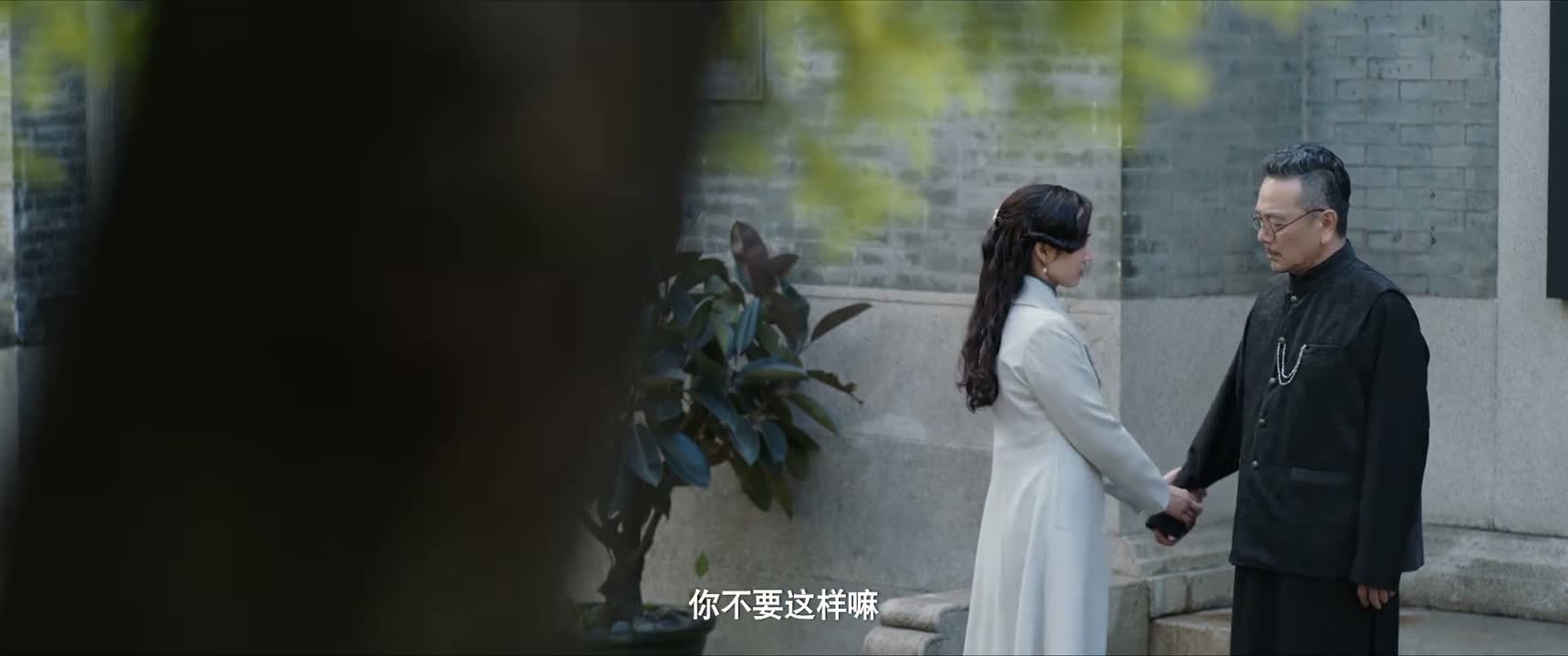
“...don't be like this.”

“You... don't be like this. Alright. I won't tease you anymore.”

“Don't always be like this.”

“It shows. Your thoughts are written all over your face.”