你勿要怪我
“Don't blame me.”
THE DIALOGUE REEL
你我本无仇 但今日 不是你死 就是我亡
“We aren't enemies. But today, one of us has to die.”
你 勿要怪我
“Don't blame me.”
是谁 谁谁 谁 谁
“Who? Who did that? Who?”
“It's nothing personal, but one of us has to die, so don't haunt me for this.”
In Chinese martial and chivalric traditions, combatants often express that conflict is driven by fate rather than personal hatred to preserve mutual dignity and clear their conscience.
LEARNING CHUNKS & PARTICLES
do not; must not
A classical, archaic, or regional prohibition marker equivalent to standard '不要', common in period dramas or formal declarations.
blame me
Frequently combined with negations to plead with others not to harbor resentment or hold a grudge.
VOCABULARY & EXPRESSIONS
Parallel Spoken Cinema Scenes (语义近邻切片)
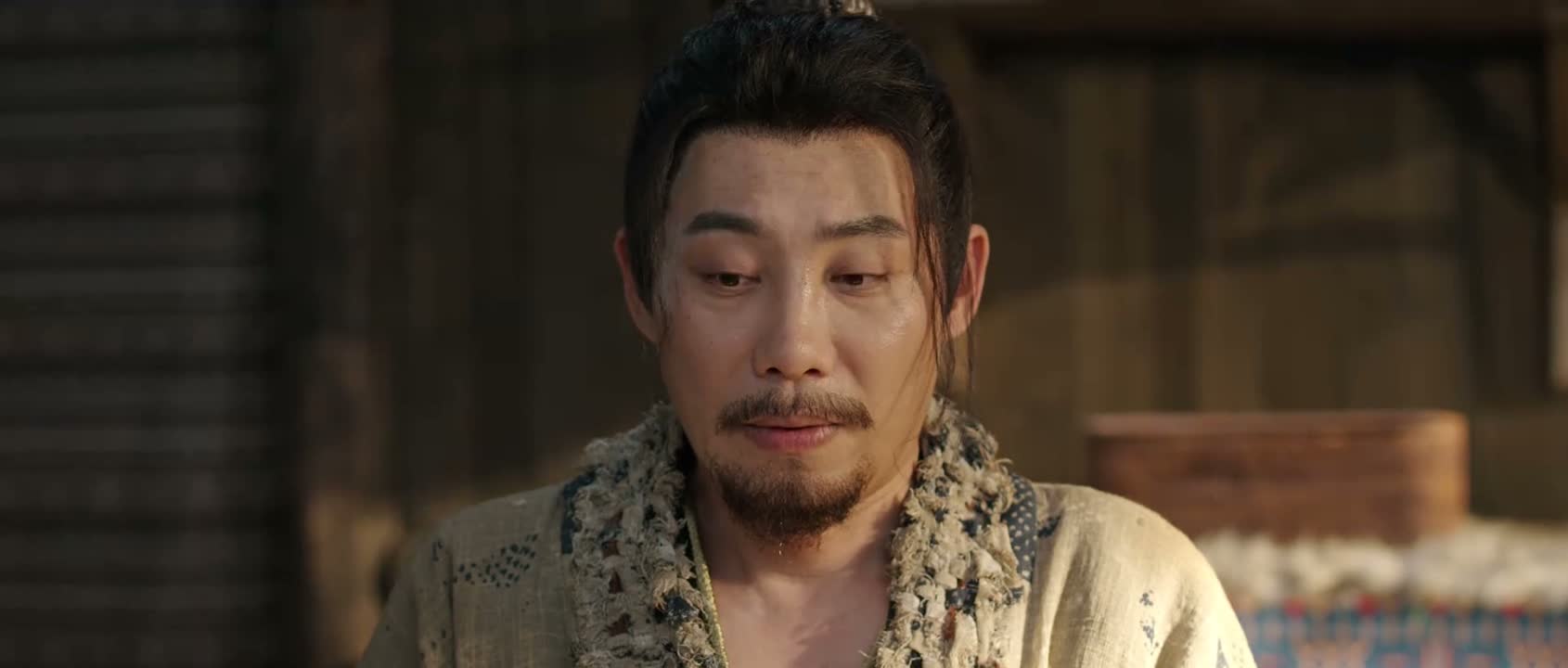
“Do not blame me.”

“Why blame me for it? There was no water clock at Swallow House.”

“Please stop blaming us.”