《Generation to Generation》 S1·E12 (28:28)
HSK 5
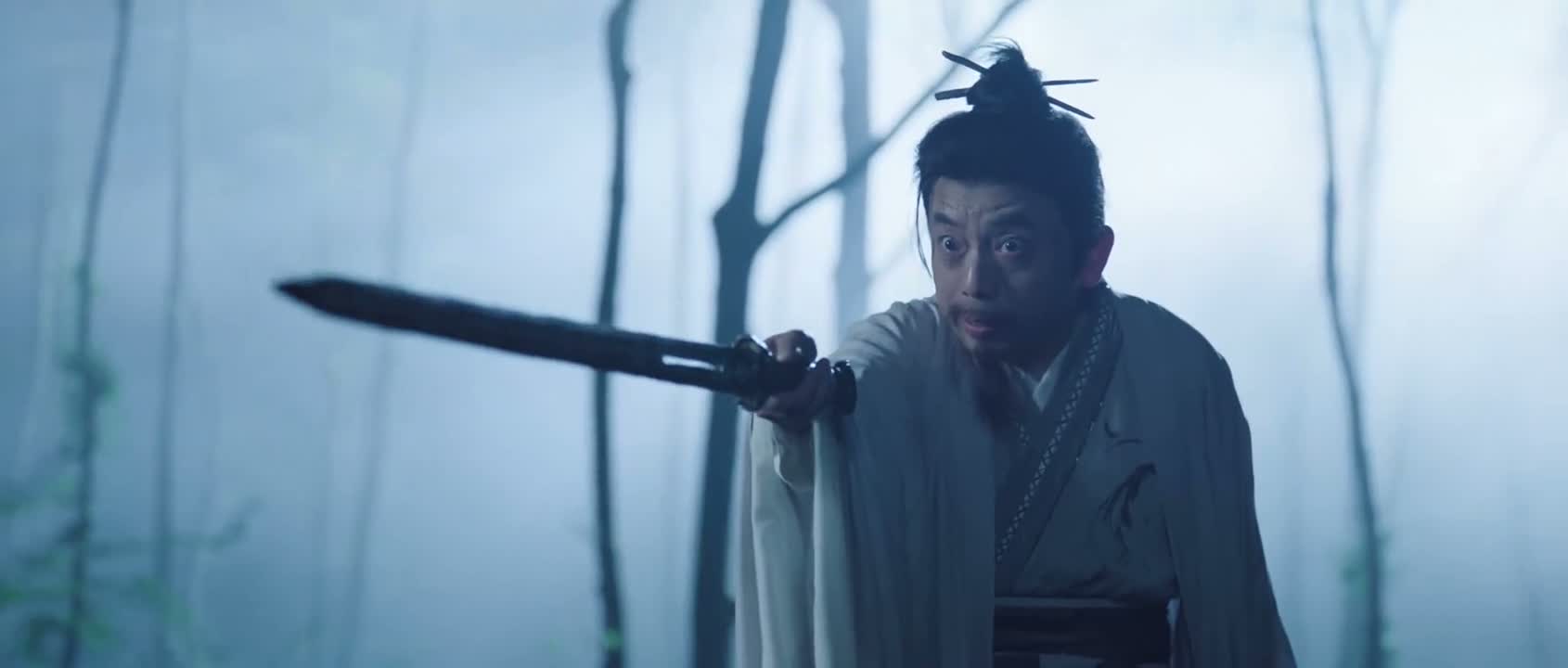
nǐ men yě mò yào guài wǒ
你们也莫要怪我
“Do not blame me.”
《Generation to Generation》
S1·E12
TIMECODE: 28:28
·
1080P MASTER AUDIO
THE DIALOGUE REEL
[-1] PREVIOUS TURN
qù wán qù ba
去玩去吧
“- Thanks. - Go play.”
nǐ men yě mò yào guài wǒ
CURRENT FOCUS
你们也 莫要怪我
“Do not blame me.”
Subtitles synced to millisecond timecode
Browse Show Clips →
Scene:
Crisis & Conflict
Function:
PREEMPTIVE APOLOGY
Tone:
PLEADING
Emotion:
RESIGNATION
WHAT THEY REALLY MEAN (PRAGMATIC SUBTEXT)
“I am leaving you behind for your own good, so please do not hate me.”
💡 Cultural Insight: Noble Sacrificial Abandonment
In traditional martial narratives, heroes often send companions away to face deadly perils alone, asking for forgiveness to ease the pain of parting.
INTENT TAGS:
#plea
#justification
#preemptive_excuse
#mitigation
🧩
2 CHUNKS · 0 PARTICLES
LEARNING CHUNKS & PARTICLES
莫要
SPOKEN CHUNK
do not, must not
A literary or archaic equivalent of 'bùyào', widely used in period dramas to sound earnest and traditional.
怪我
SPOKEN CHUNK
blame me
Commonly combined with negations to plead for understanding when making an unpopular choice.
🏮
1 EXPR · 2 GRAMMAR
VOCABULARY & EXPRESSIONS
COLLOQUIAL EXPRESSIONS:
CROSS-CINEMA CORPUS BOARD · PARALLEL SCENES
EXPLORE BY SEMANTIC SIMILARITY
Parallel Spoken Cinema Scenes (语义近邻切片)
《Generation to Generation》 S1·E12 (28:28) · Authentic Cinema Dialogue Corpus