《Unveil: Jadewind》 S1·E21 (17:16)
HSK 5
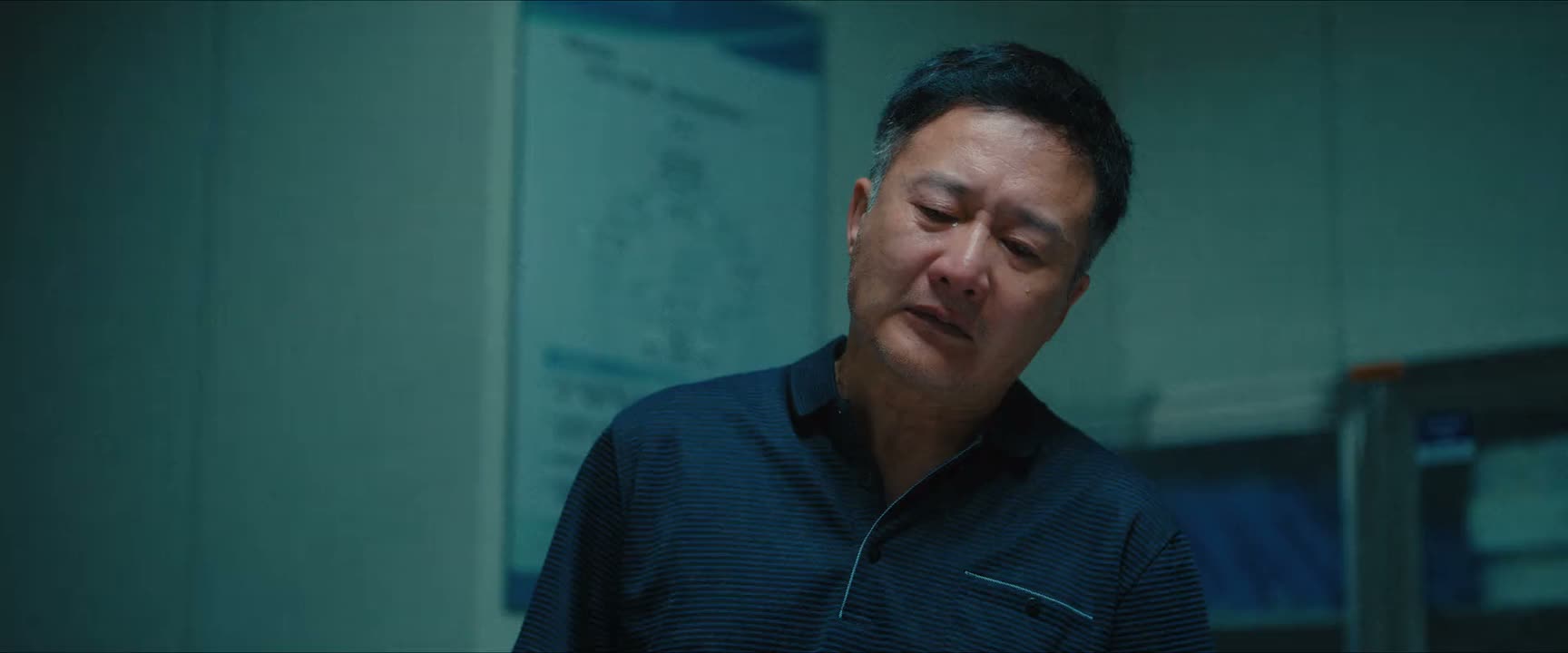
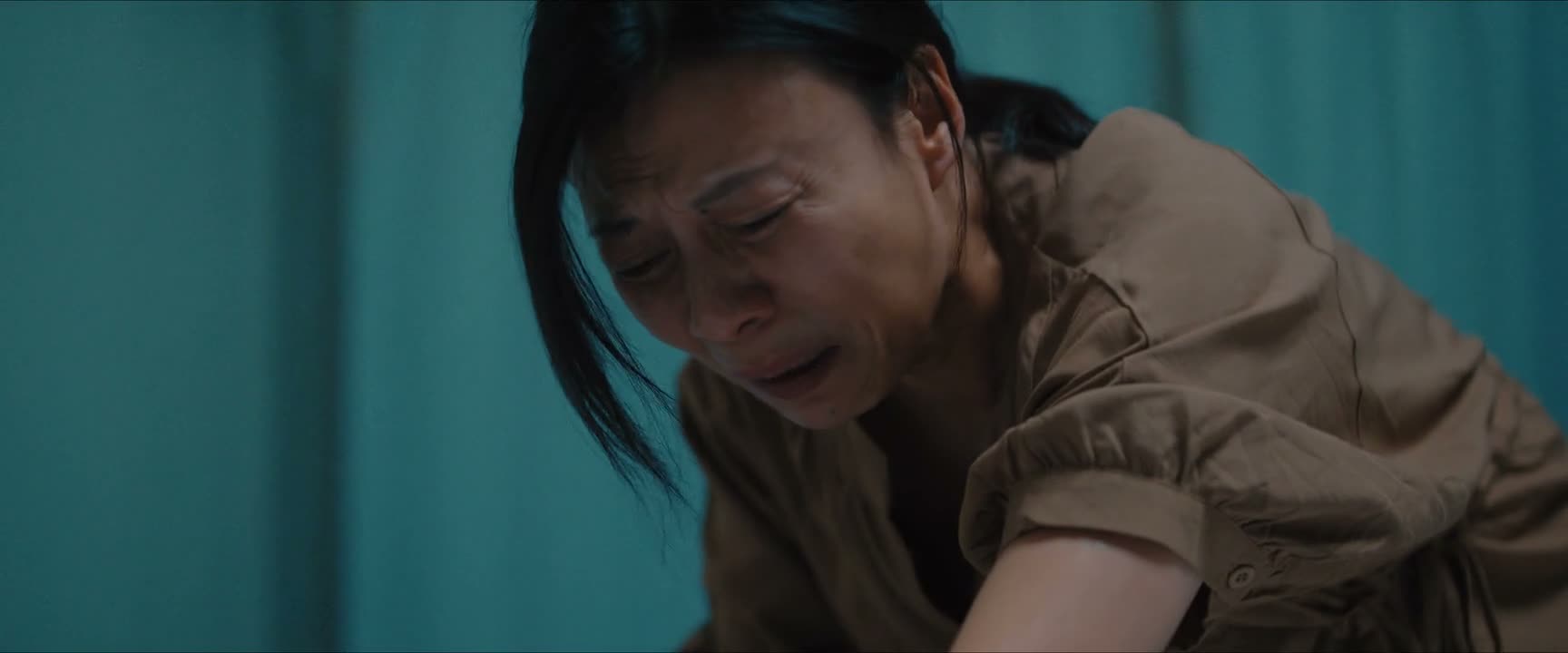
jiù qǐng bú yào zài guài wǒ men le
就请不要再怪我们了
“Please stop blaming us.”
《Unveil: Jadewind》
S1·E21
TIMECODE: 17:16
·
1080P MASTER AUDIO
THE DIALOGUE REEL
[-1] PREVIOUS TURN
nín méi le nǚ ér wǒ men méi le xí fù dōu shì shāng xīn rén
您没了女儿 我们没了媳妇 都是伤心人
“You lost your daughter. We lost our daughter-in-law. We share your sorrow.”
jiù qǐng bú yào zài guài wǒ men le
CURRENT FOCUS
就请 不要再 怪我 们了
“Please stop blaming us.”
[+1] FOLLOW-UP TURN
nǐ men dào dǐ xiǎng gàn shén me ?
你们到底想干什么?
“What do you want?”
Subtitles synced to millisecond timecode
Browse Show Clips →
Scene:
Crisis & Conflict
Function:
DEFLECTING BLAME
Tone:
PLEADING
Emotion:
DEFENSIVENESS
WHAT THEY REALLY MEAN (PRAGMATIC SUBTEXT)
“We suffered too, so stop pointing fingers and demanding compensation or justice from us.”
💡 Cultural Insight: Shared Misery as Defense
In family disputes, claiming equal status as victims ('we both suffered loss') is often employed to neutralize liability or appease demands for retribution.
INTENT TAGS:
#exoneration
#defensiveness
#appeal
#victimhood
🧩
1 CHUNKS · 1 PARTICLES
LEARNING CHUNKS & PARTICLES
怪我们
SPOKEN CHUNK
blame us
Commonly used in interpersonal apologies or disputes to discuss fault or responsibility.
Modal Particle「了」 (le)
CHANGE OF STATE
Signals change of situation, urging the listener to discontinue their existing blame.
🏮
2 EXPR · 0 GRAMMAR
VOCABULARY & EXPRESSIONS
COLLOQUIAL EXPRESSIONS:
CROSS-CINEMA CORPUS BOARD · PARALLEL SCENES
EXPLORE BY SEMANTIC SIMILARITY
Parallel Spoken Cinema Scenes (语义近邻切片)

《Unveil: Jadewind》 S1·E21 (17:16) · Authentic Cinema Dialogue Corpus