MC
MandarinClips Cinema Corpus
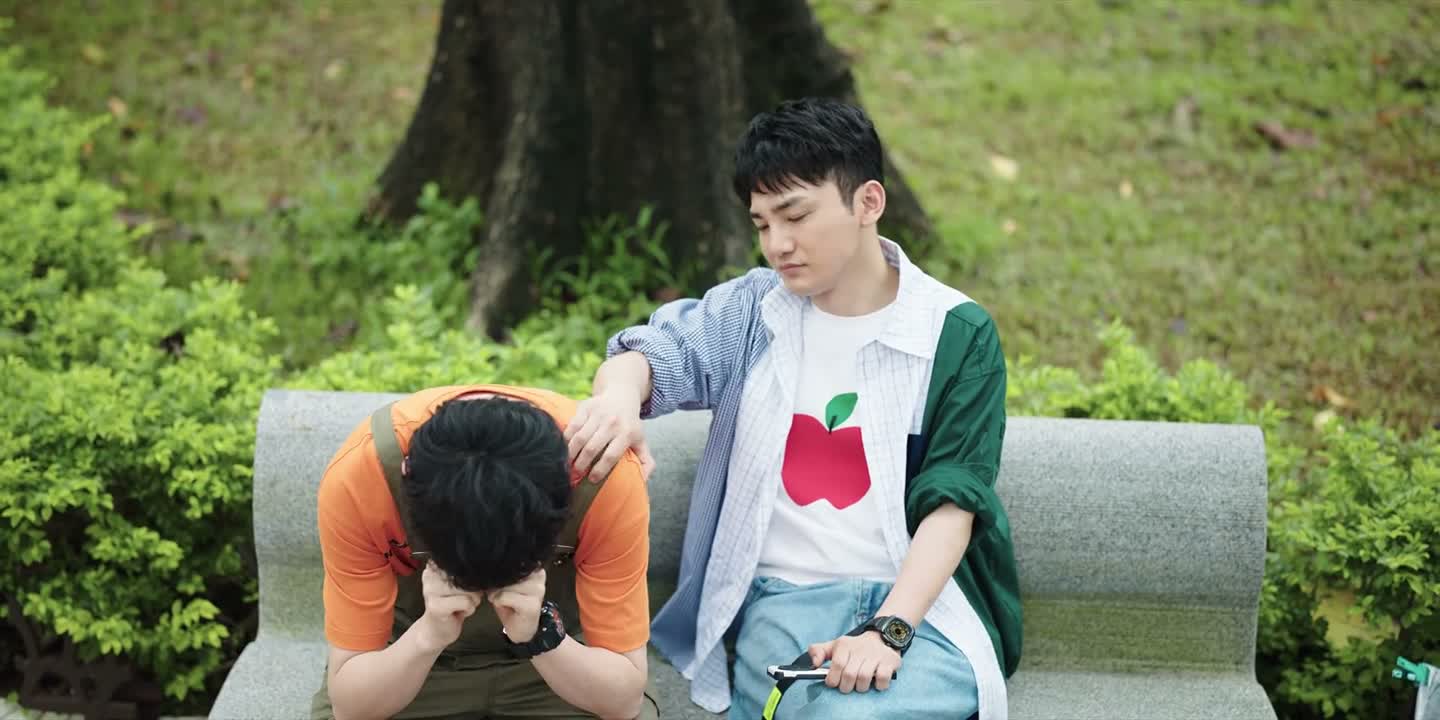
《Vanished Name》 S1·E15 (10:15) HSK 3
zhè yàng wǒ yòu néng qù nǐ jiā chī fàn le

这样我又能去你家吃饭了

“I can come over for meals again.”

《Vanished Name》 S1·E15
TIMECODE: 10:15 · 1080P MASTER AUDIO

THE DIALOGUE REEL

1+1+1 SPOKEN CONTINUITY
[-1] PREVIOUS TURN nǐ jiā néng bān huí lái zhēn hǎo

你家能搬回来真好

“It's good to have you back.”

zhè yàng wǒ yòu néng qù nǐ jiā chī fàn le CURRENT FOCUS

这样 我 又能去你家吃饭 了

“I can come over for meals again.”

[+1] FOLLOW-UP TURN wǒ mā yào néng tīng dào nǐ shuō zhè huà dé měi sǐ

“My mom will be thrilled to hear you say that.”

Subtitles synced to millisecond timecode Browse Show Clips →
Scene: Social & Dating
Function: EXPRESSING ANTICIPATION
Tone: PLAYFUL
Emotion: JOY
WHAT THEY REALLY MEAN (PRAGMATIC SUBTEXT)
“I missed hanging out with you, and now I have an excuse to be around you all the time.”
💡 Cultural Insight: Bonding Through Home Cooking

In Chinese culture, frequently eating at someone's home (Ceng Fan) signifies deep trust and quasi-familial intimacy beyond standard friendship.

INTENT TAGS: #affection #closeness #anticipation #playfulness
🧩

LEARNING CHUNKS & PARTICLES

3 CHUNKS · 1 PARTICLES
这样 SPOKEN CHUNK

in this way / this way

Commonly placed at the beginning of a clause to introduce a positive consequence or resulting situation.

又能 SPOKEN CHUNK

can once again / able to ... again

Used to express relief or happiness about being able to resume an enjoyable past habit.

去你家吃饭 SPOKEN CHUNK

go to your place for a meal

A very common colloquial expression indicating high familiarity and closeness between friends or partners.

Modal Particle「了」 (le) CHANGE OF STATE

Signifies a change of state, highlighting the welcome transition back to being able to visit and eat together.
🏮

VOCABULARY & EXPRESSIONS

2 EXPR · 0 GRAMMAR
CROSS-CINEMA CORPUS BOARD · PARALLEL SCENES

Parallel Spoken Cinema Scenes (语义近邻切片)

EXPLORE BY SEMANTIC SIMILARITY
《Vanished Name》 S1·E15 (10:15) · Authentic Cinema Dialogue Corpus