你的儿孙呢
“what about your descendants?”
THE DIALOGUE REEL
此生绝不会做有愧于祖宗的事 可是
“that you'd never do anything to shame our ancestors! But...”
你的 儿孙 呢
“what about your descendants?”
今天
“Today...”
“You might claim to be innocent, but can you really vouch for your own family?”
In traditional Chinese culture, one's moral character is tied closely to the conduct of one's descendants; moral failure of children reflects poorly on the patriarch.
LEARNING CHUNKS & PARTICLES
children and grandchildren; descendants
Often used in moral discussions about family legacy, reputation, and generational responsibility.
Forms a bounce-back question pointing out a glaring omission or counterpoint in the listener's argument.
VOCABULARY & EXPRESSIONS
Parallel Spoken Cinema Scenes (语义近邻切片)
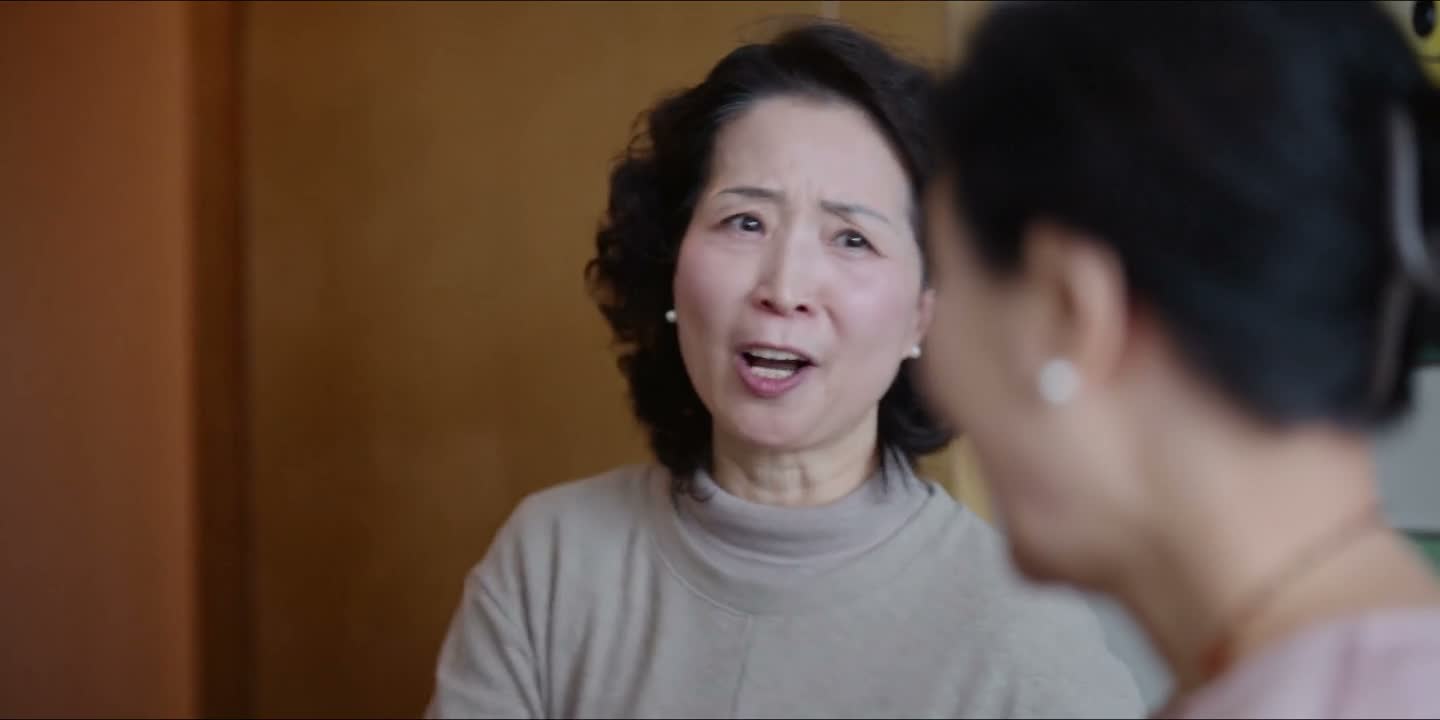
“Just enjoy your happy life with your son and grandchild.”
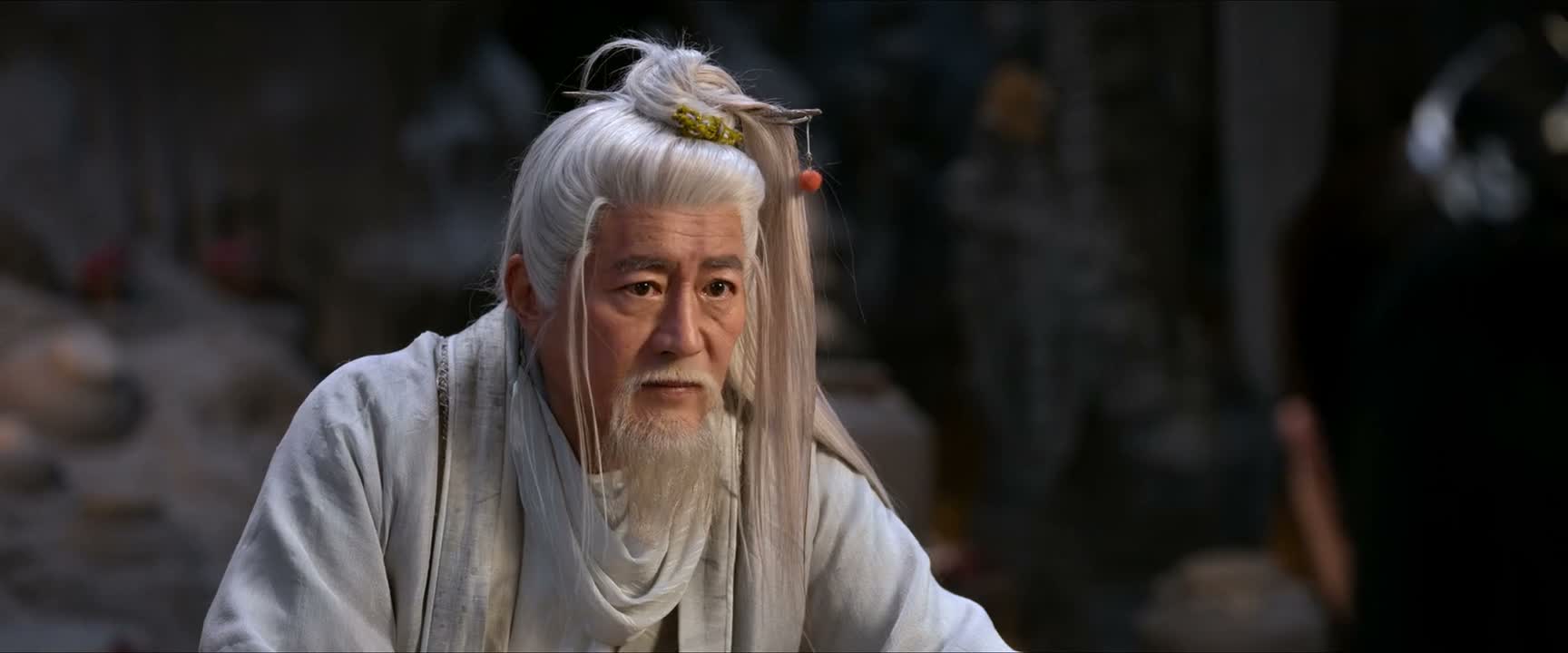
“are those bastards.”
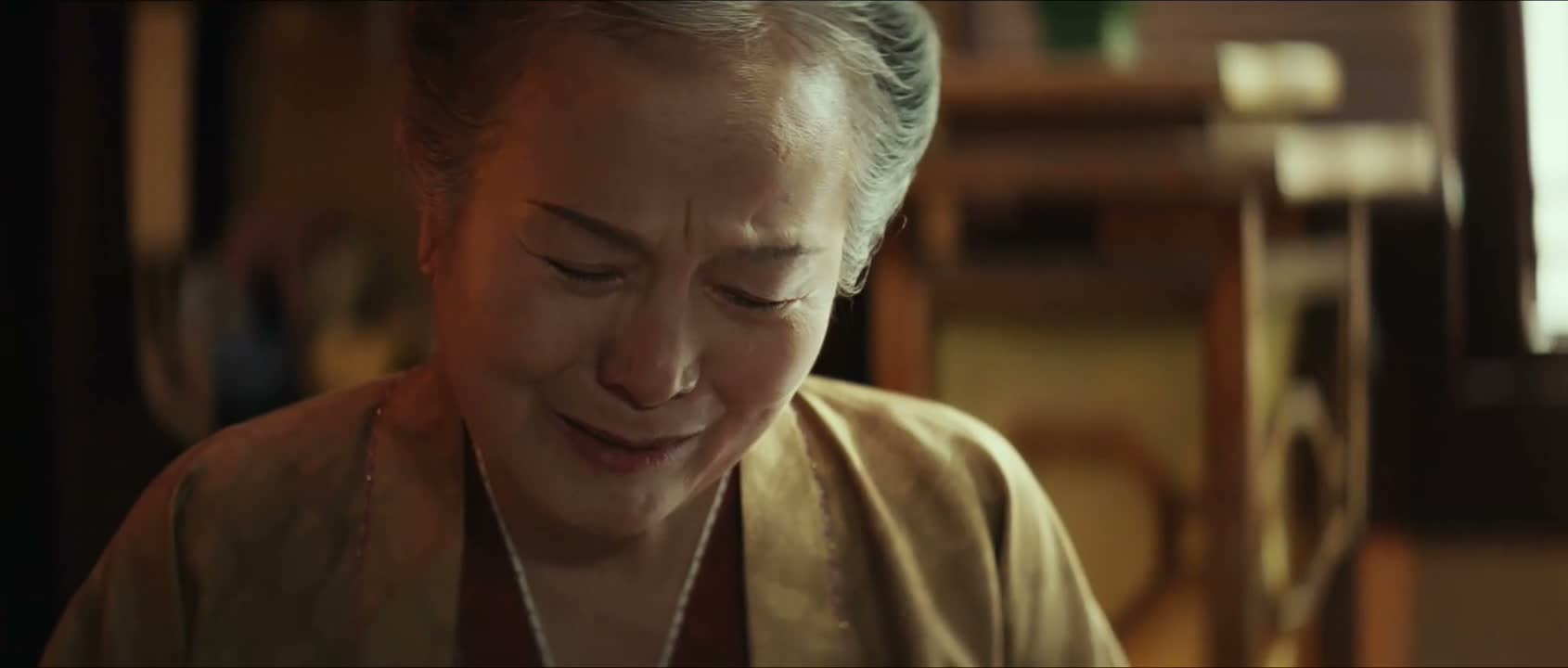
“My son...”

“That's very thoughtful of you.”

“My son...”
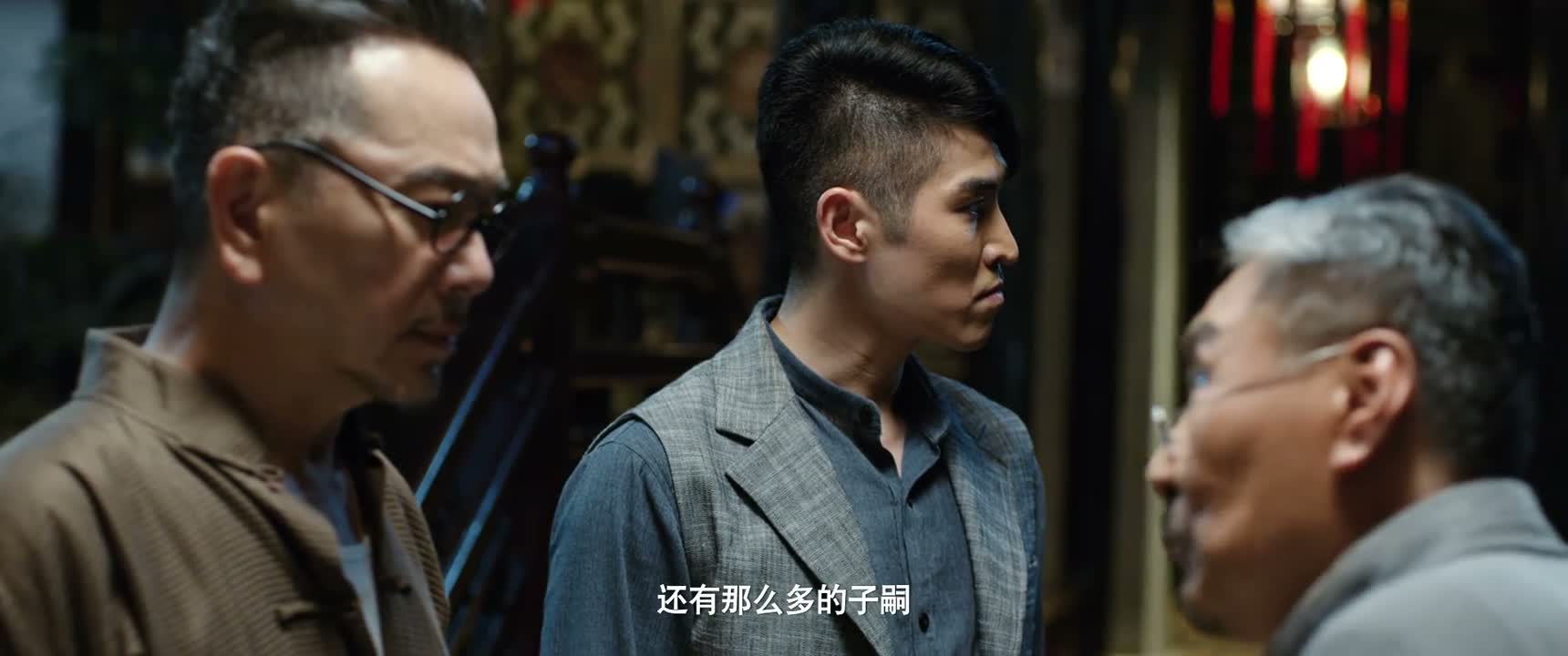
“...and so many heirs.”