是金和惭愧啊
“I'm ashamed.”
THE DIALOGUE REEL
又少了好几笔单子呀
“we've lost several more orders.”
是金和 惭愧 啊
“I'm ashamed.”
没能留住那几个大师傅
“I couldn't keep those master craftsmen.”
Direct spoken expression in this communicative setting.
Referring to oneself by name rather than 'I' (我) while expressing shame demonstrates deep deference, humility, and formal self-reproach in traditional Chinese culture.
LEARNING CHUNKS & PARTICLES
ashamed; feeling remorseful or unworthy
A polite and formal term used to acknowledge personal inadequacy or failure to meet expectations.
Adds an earnest, emotional sigh that emphasizes the depth of the speaker's personal remorse.
VOCABULARY & EXPRESSIONS
Parallel Spoken Cinema Scenes (语义近邻切片)

“I, Li Jinhe, am woefully incompetent.”
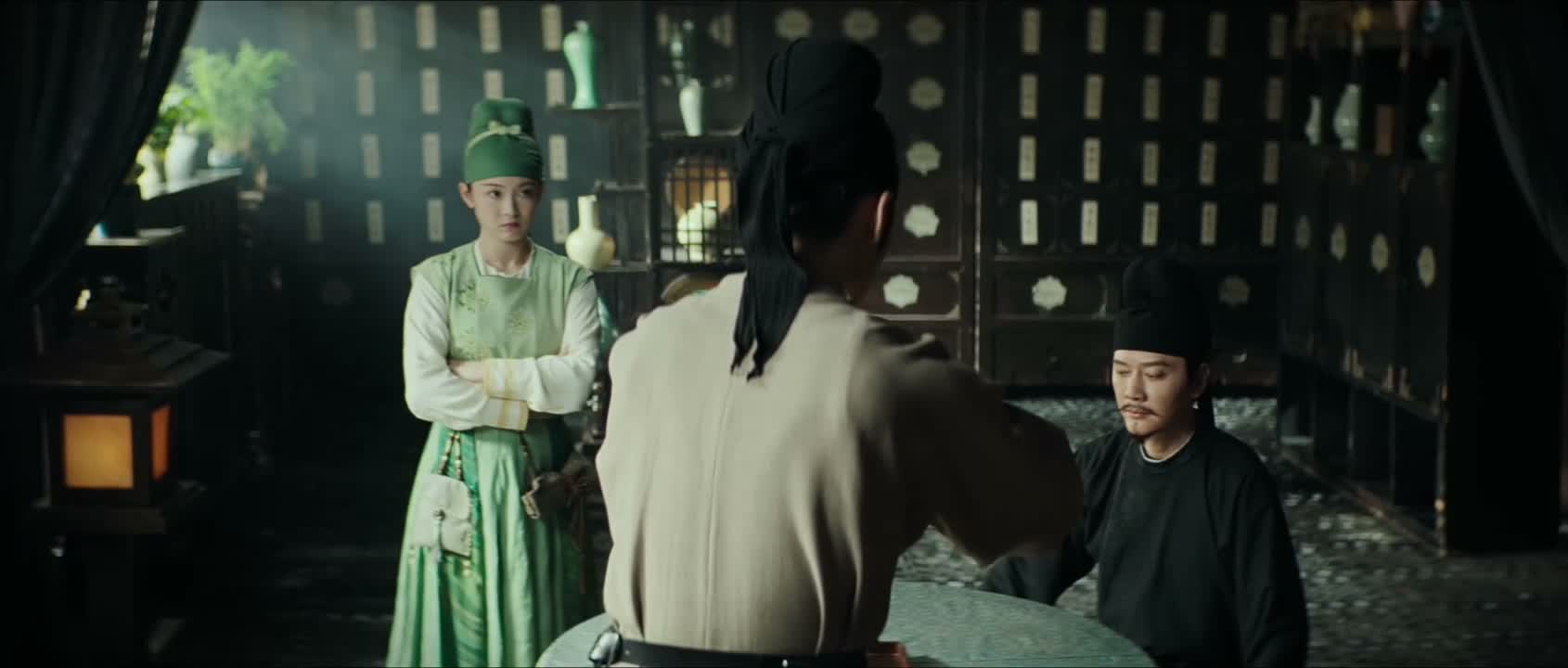
“I'm truly ashamed.”

“I feel deeply ashamed and remorseful. ♪ Every one of them gives me the strength not to fear being hurt ♪”

“I felt ashamed and angry.”

“I'm sorry. Please forgive me, My Lord.”