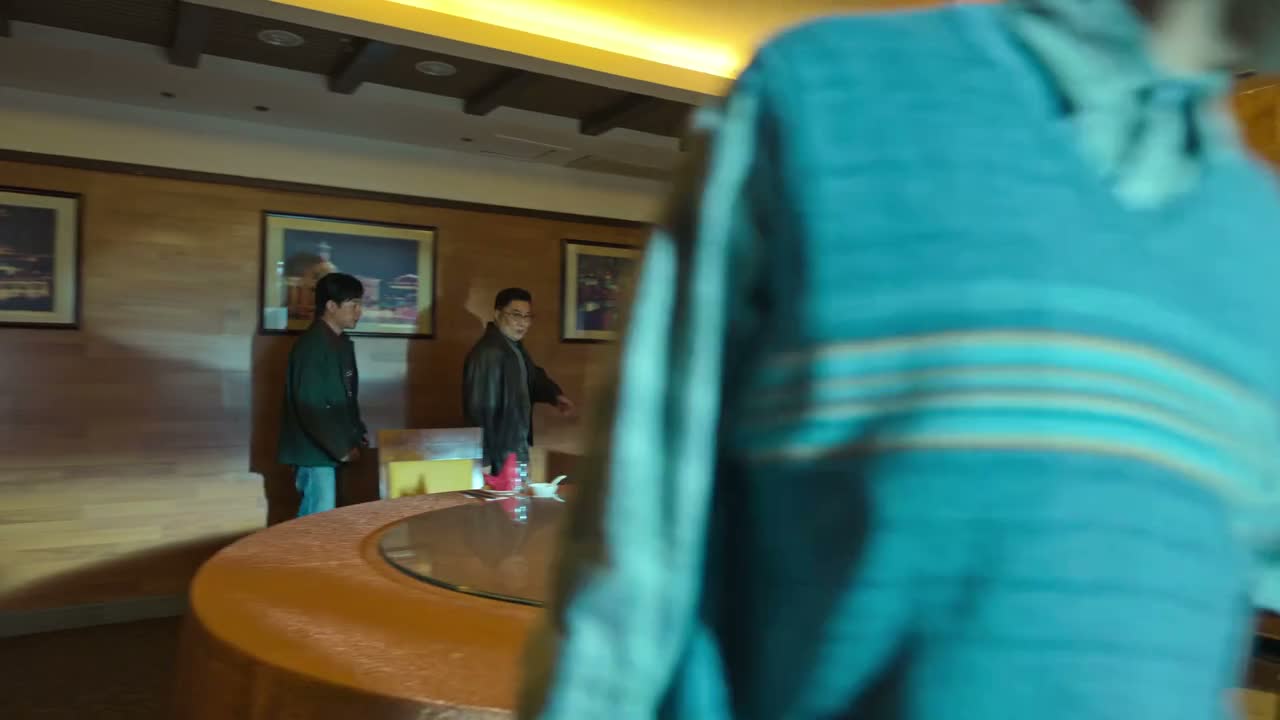
《The Knockout》 S1·E1 (18:54)
HSK 3
nǐ hǎo nǐ hǎo qǐng zuò ba kě bù gǎn kě bù gǎn
你好 你好 请坐吧 可不敢 可不敢
“Hello. Have a seat. I dare not.”
《The Knockout》
S1·E1
TIMECODE: 18:54
·
1080P MASTER AUDIO
THE DIALOGUE REEL
[-1] PREVIOUS TURN
ān xīn tóng zhì duì nín hǎo
安欣同志 对 您好
“An Xin. Yes, hello.”
nǐ hǎo nǐ hǎo qǐng zuò ba kě bù gǎn kě bù gǎn
CURRENT FOCUS
你好 你好 请坐 吧 可不敢 可不敢
“Hello. Have a seat. I dare not.”
[+1] FOLLOW-UP TURN
ān xīn dào
安欣 到
“An Xin. Yes.”
Subtitles synced to millisecond timecode
Browse Show Clips →
Scene:
Workplace
Function:
DEFERENTIAL POLITENESS
Tone:
HUMBLE
Emotion:
ANXIETY
WHAT THEY REALLY MEAN (PRAGMATIC SUBTEXT)
“You hold the authority here; I don't dare make myself at home.”
💡 Cultural Insight: Deference to Authority (Keqi and Fear of Power)
Ordinary citizens often use self-deprecating phrases like '可不敢' when dealing with public security officers to signal compliance and avoid offense.
INTENT TAGS:
#humility
#politeness
#deference
#anxiety
🧩
2 CHUNKS · 1 PARTICLES
LEARNING CHUNKS & PARTICLES
请坐吧
SPOKEN CHUNK
please take a seat
Standard hospitable phrase used when welcoming a guest or client.
可不敢
SPOKEN CHUNK
I wouldn't dare / that's too much honor
An idiomatic expression showing extreme self-lowering modesty or nervousness before authority.
Modal Particle「吧」 (ba)
CHANGE OF STATE
Softens the invitation to sit, making it courteous rather than commanding.
🏮
3 EXPR · 0 GRAMMAR
VOCABULARY & EXPRESSIONS
COLLOQUIAL EXPRESSIONS:
CROSS-CINEMA CORPUS BOARD · PARALLEL SCENES
EXPLORE BY SEMANTIC SIMILARITY
Parallel Spoken Cinema Scenes (语义近邻切片)

《The Knockout》 S1·E1 (18:54) · Authentic Cinema Dialogue Corpus