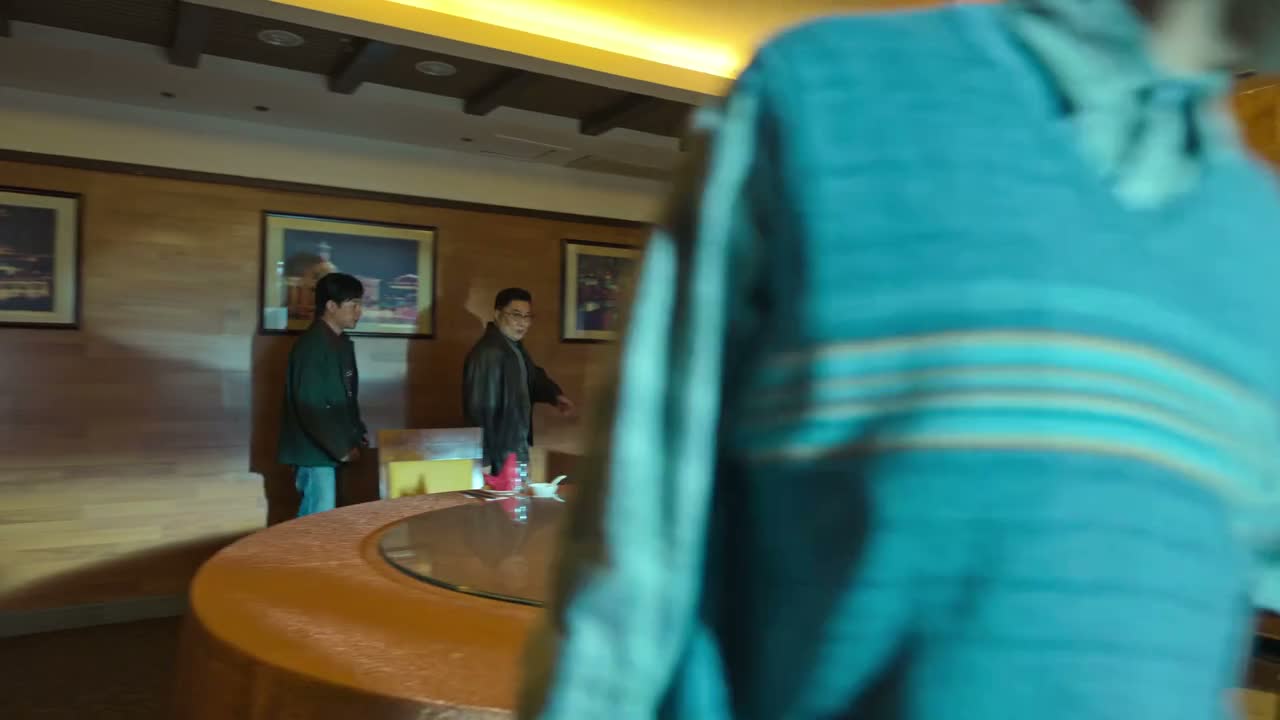
《The Knockout》 S1·E27 (33:16)
HSK 3
nǐ hǎo nǐ hǎo qǐng zuò ba kě bù gǎn kě bù gǎn
你好 你好 请坐吧 可不敢 可不敢
“Hello. Have a seat. I dare not.”
《The Knockout》
S1·E27
TIMECODE: 33:16
·
1080P MASTER AUDIO
THE DIALOGUE REEL
[-1] PREVIOUS TURN
ān xīn tóng zhì duì nín hǎo
安欣同志 对 您好
“Officer An Xin. Yes, hello.”
nǐ hǎo nǐ hǎo qǐng zuò ba kě bù gǎn kě bù gǎn
CURRENT FOCUS
你好 你好 请坐 吧 可不敢 可不敢
“Hello. Have a seat. I dare not.”
[+1] FOLLOW-UP TURN
ān xīn dào
安欣 到
“An Xin. Yes, sir.”
Subtitles synced to millisecond timecode
Browse Show Clips →
Scene:
Workplace
Function:
DEFERENTIAL POLITENESS
Tone:
HUMBLE
Emotion:
DEFERENCE
WHAT THEY REALLY MEAN (PRAGMATIC SUBTEXT)
“You honor me too much; I must stay humble and not overstep my position.”
💡 Cultural Insight: Qianxu (Ritual Modesty)
Saying '可不敢' deflects high courtesy to show that one does not feel entitled to superior treatment, reinforcing traditional humility and hierarchy.
INTENT TAGS:
#deference
#humility
#etiquette
#hierarchical_respect
🧩
2 CHUNKS · 1 PARTICLES
LEARNING CHUNKS & PARTICLES
请坐
SPOKEN CHUNK
please take a seat
A standard courteous phrase used across professional and domestic settings when hosting someone.
可不敢
SPOKEN CHUNK
I wouldn't dare / you flatter me too much
A humble formulaic phrase used to deflect excessive praise, honor, or special treatment from someone.
Modal Particle「吧」 (ba)
CHANGE OF STATE
Softens the hospitality offer '请坐', making the invitation polite and comfortable.
🏮
3 EXPR · 0 GRAMMAR
VOCABULARY & EXPRESSIONS
COLLOQUIAL EXPRESSIONS:
CROSS-CINEMA CORPUS BOARD · PARALLEL SCENES
EXPLORE BY SEMANTIC SIMILARITY
Parallel Spoken Cinema Scenes (语义近邻切片)

《The Knockout》 S1·E27 (33:16) · Authentic Cinema Dialogue Corpus