MC
MandarinClips Cinema Corpus
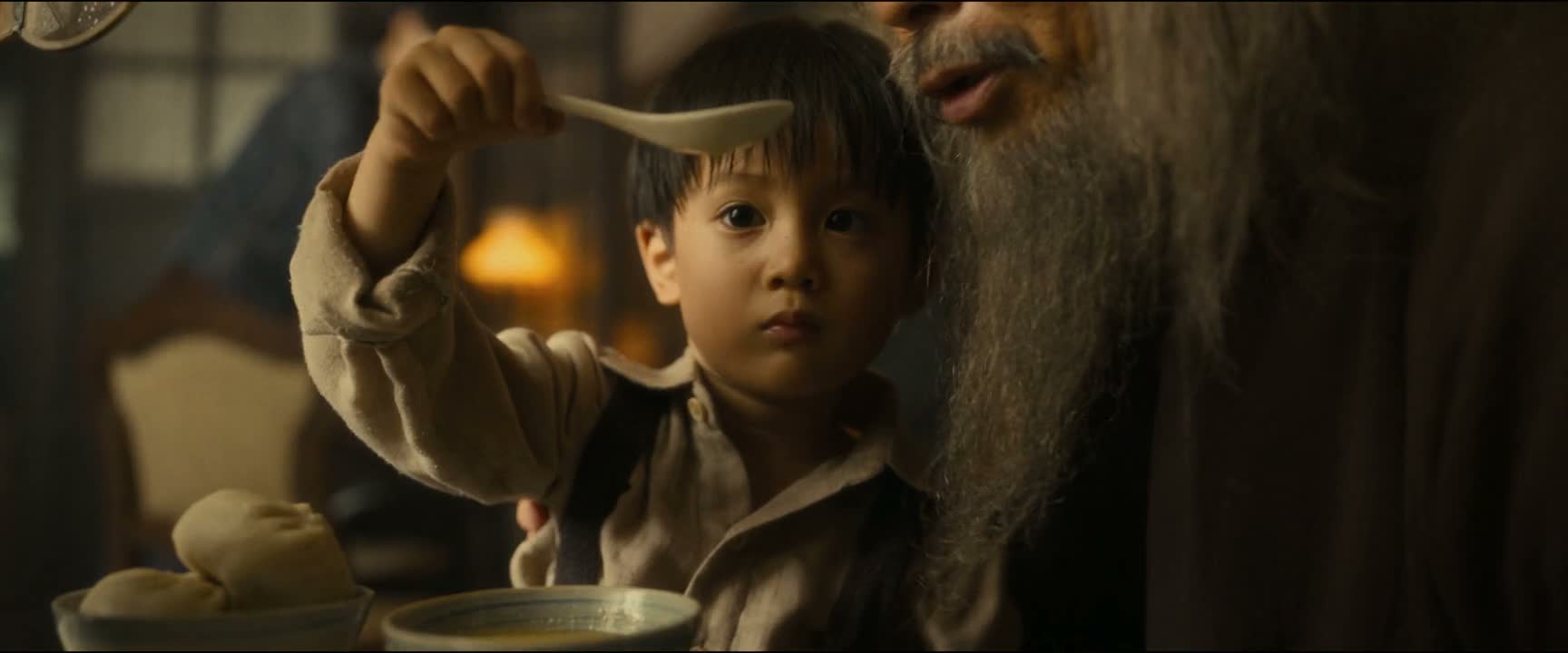
《No Pain No Gain》 S1·E10 (18:04) HSK 6
wǒ zài wài miàn yǒu duō xiǎng zhè yī kǒu tài kě lián le

我在外面有多想这一口 太可怜了

“how much I craved this bite out there. How pitiful.”

《No Pain No Gain》 S1·E10
TIMECODE: 18:04 · 1080P MASTER AUDIO

THE DIALOGUE REEL

1+1+1 SPOKEN CONTINUITY
[-1] PREVIOUS TURN bāo gē nǐ kě suàn huí lái màn diǎn chī nǐ bù zhī dào

包哥 你可算回来 慢点吃 你不知道

“Bao, you are finally back. Take it slow. You don't know”

wǒ zài wài miàn yǒu duō xiǎng zhè yī kǒu tài kě lián le CURRENT FOCUS

我在 外面有 多想这一口 太可怜了

“how much I craved this bite out there. How pitiful.”

[+1] FOLLOW-UP TURN lǚ xíng jǐ tiān shì xiāo qiǎn

“Traveling for a few days is a form of recreation,”

Subtitles synced to millisecond timecode Browse Show Clips →
Scene: Dining & Food
Function: EXPRESSING CRAVING
Tone: EXPRESSIVE
Emotion: JOY
WHAT THEY REALLY MEAN (PRAGMATIC SUBTEXT)

Direct spoken expression in this communicative setting.

💡 Cultural Insight: Comfort Food and Nostalgia (Wei Lei Xiang Chou)

Chinese culture places immense emotional value on familiar hometown flavors, which often define the comfort of returning home.

INTENT TAGS: #craving #venting #exaggeration #satisfaction
🧩

LEARNING CHUNKS & PARTICLES

2 CHUNKS · 1 PARTICLES
想这一口 SPOKEN CHUNK

to crave this particular bite or food

A highly colloquial Northern expression used to express a strong nostalgic craving for a familiar taste.

太可怜了 SPOKEN CHUNK

so pitiful; how tragic

Frequently used hyperbole in daily conversation to playfully exaggerate one's minor suffering or deprivation.

Modal Particle「了」 (le) CHANGE OF STATE

Functions as an exclamatory sentence-final particle to reinforce the degree of being pitiful.
🏮

VOCABULARY & EXPRESSIONS

3 EXPR · 1 GRAMMAR
CROSS-CINEMA CORPUS BOARD · PARALLEL SCENES

Parallel Spoken Cinema Scenes (语义近邻切片)

EXPLORE BY SEMANTIC SIMILARITY
《No Pain No Gain》 S1·E10 (18:04) · Authentic Cinema Dialogue Corpus