MC
MandarinClips Cinema Corpus
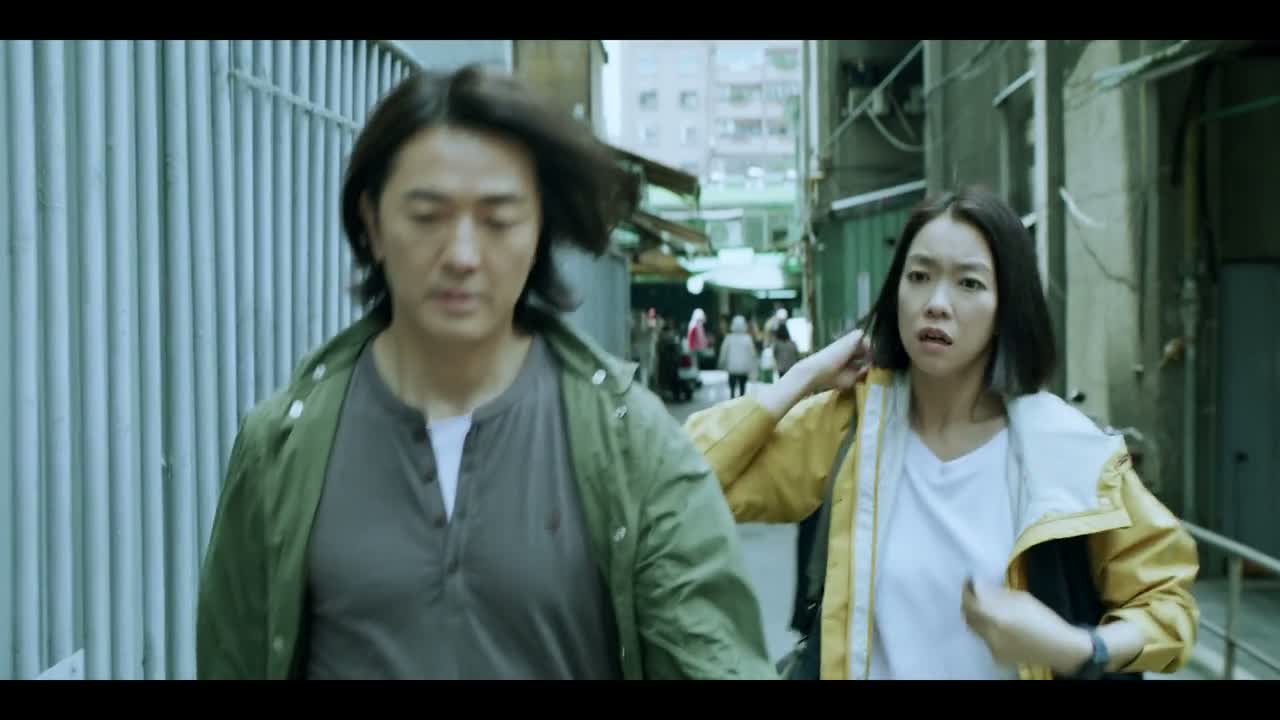
《Sunsets Secrets Regrets》 S1·E2 (25:49) HSK 5
yǒu zhèng jù wǒ jiù rèn yǒu zhèng jù ma

有证据我就认 有证据吗

“If you have evidence, I'll admit it. Do you have any?”

《Sunsets Secrets Regrets》 S1·E2
TIMECODE: 25:49 · 1080P MASTER AUDIO

THE DIALOGUE REEL

1+1+1 SPOKEN CONTINUITY
[-1] PREVIOUS TURN yǒu zhèng jù ma

有证据吗

“Do you have evidence?”

yǒu zhèng jù wǒ jiù rèn yǒu zhèng jù ma CURRENT FOCUS

有证据我就认 有证据吗

“If you have evidence, I'll admit it. Do you have any?”

[+1] FOLLOW-UP TURN shuì huì er ba

睡会儿吧

“I'll get some sleep.”

Subtitles synced to millisecond timecode Browse Show Clips →
Scene: Crisis & Conflict
Function: DEFIANT DENIAL
Tone: DEFIANT
Emotion: DEFENSIVENESS
WHAT THEY REALLY MEAN (PRAGMATIC SUBTEXT)
“You have zero proof against me, so stop wasting your breath trying to pin this on me.”
💡 Cultural Insight: Demanding Concrete Proof to Save Face

In Chinese confrontations, directly asking for physical evidence serves as a powerful psychological barrier to maintain innocence and preserve face when cornered.

INTENT TAGS: #counter_accusation #defiance #challenging_evidence #denial
🧩

LEARNING CHUNKS & PARTICLES

2 CHUNKS · 1 PARTICLES
有证据我就认 SPOKEN CHUNK

I will admit it only if there is evidence

A common spoken conditional formula used to challenge an accuser when you believe they have no concrete proof.

认 SPOKEN CHUNK

to admit guilt; to confess

Used colloquially in disputes, police questioning, or conflicts to denote accepting responsibility or blame.

Modal Particle「吗」 (ma) CHANGE OF STATE

Transforms the statement into a challenging rhetorical question aimed at putting the accuser on the spot.
🏮

VOCABULARY & EXPRESSIONS

2 EXPR · 1 GRAMMAR
CROSS-CINEMA CORPUS BOARD · PARALLEL SCENES

Parallel Spoken Cinema Scenes (语义近邻切片)

EXPLORE BY SEMANTIC SIMILARITY
《Sunsets Secrets Regrets》 S1·E2 (25:49) · Authentic Cinema Dialogue Corpus