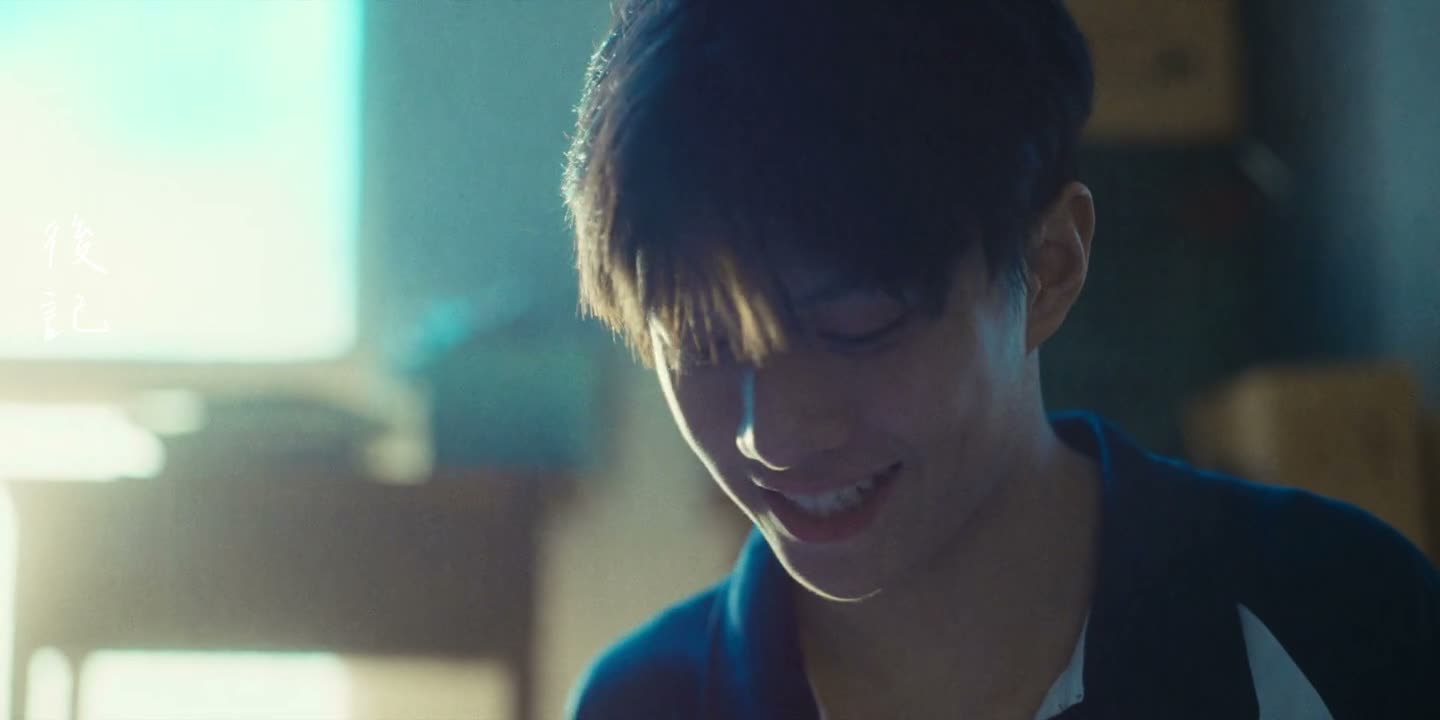
《About Love》 S1·E26 (16:36)
HSK 7
shén me jiào xián qì nǐ a
什么叫嫌弃你啊
“Tired of you?”
《About Love》
S1·E26
TIMECODE: 16:36
·
1080P MASTER AUDIO
THE DIALOGUE REEL
shén me jiào xián qì nǐ a
CURRENT FOCUS
什么叫嫌弃你 啊
“Tired of you?”
[+1] FOLLOW-UP TURN
wǒ bā bù dé nǐ lài zài jiā lǐ tou
我巴不得你赖在家里头
“I wish you'd stay at home.”
Subtitles synced to millisecond timecode
Browse Show Clips →
Scene:
Family & Home
Function:
DENYING ACCUSATION
Tone:
REASSURING
Emotion:
AFFECTION
WHAT THEY REALLY MEAN (PRAGMATIC SUBTEXT)
“How could you even think that? I love having you around.”
💡 Cultural Insight: Familial Reassurance through Rhetorical Refusal
In Chinese culture, affection is frequently communicated not by sweet praise, but by feigning offense at the very idea that a loved one could ever be unwelcome.
INTENT TAGS:
#reassurance
#denial
#affection
#clarification
🧩
2 CHUNKS · 1 PARTICLES
LEARNING CHUNKS & PARTICLES
什么叫
SPOKEN CHUNK
what do you mean by...; how can you call this...
Used as a rhetorical device to express slight outrage or to challenge an unfair characterization made by the other person.
嫌弃
SPOKEN CHUNK
to dislike; to avoid or despise someone due to petty faults
Extremely common in interpersonal relationships when someone feels neglected or burdensome to others.
Modal Particle「啊」 (a)
CHANGE OF STATE
Softens the rhetorical question and adds an emotional, questioning flavor to refute the claim.
🏮
1 EXPR · 0 GRAMMAR
VOCABULARY & EXPRESSIONS
COLLOQUIAL EXPRESSIONS:
CROSS-CINEMA CORPUS BOARD · PARALLEL SCENES
EXPLORE BY SEMANTIC SIMILARITY
Parallel Spoken Cinema Scenes (语义近邻切片)
《About Love》 S1·E26 (16:36) · Authentic Cinema Dialogue Corpus