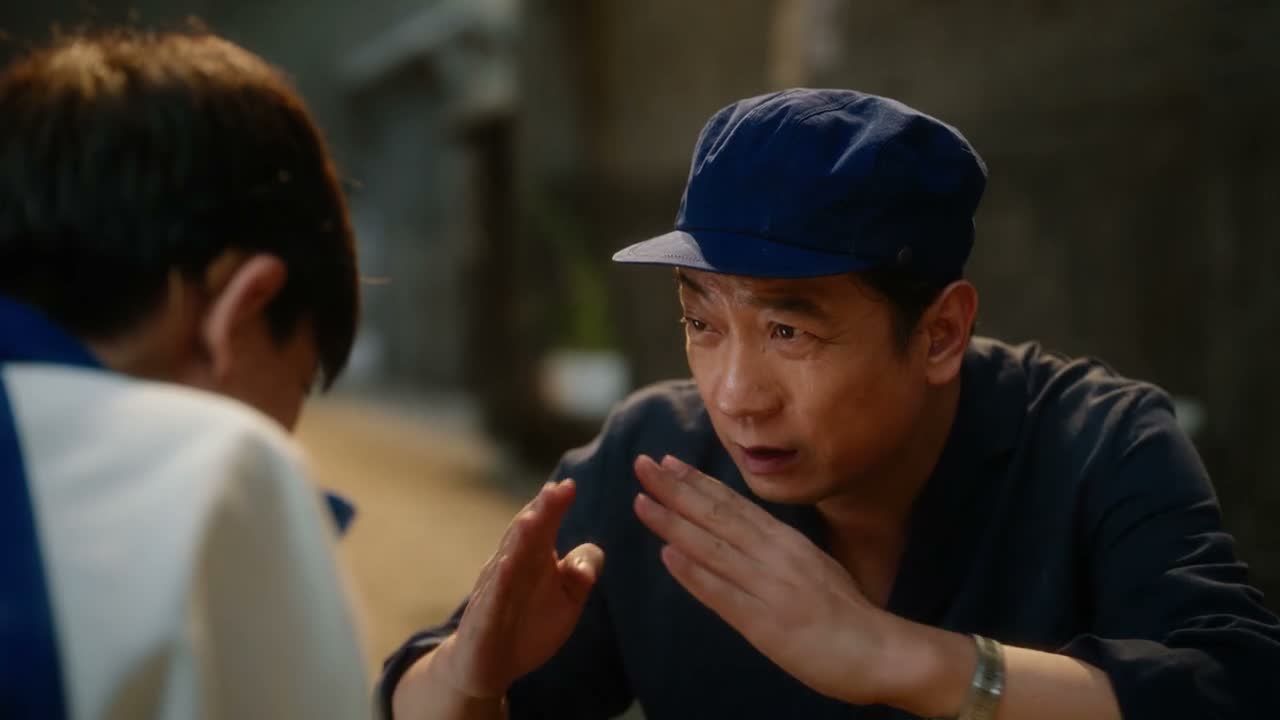
《Love Story in the 1970s》 S1·E4 (08:32)
HSK 2
nǐ hái jì de nǐ jiā zài nǎ ér ma
你还记得你家在哪儿吗
“Do you remember where you used to live?”
《Love Story in the 1970s》
S1·E4
TIMECODE: 08:32
·
1080P MASTER AUDIO
THE DIALOGUE REEL
[-1] PREVIOUS TURN
yīn wèi wǒ yǒu nǐ zài
因为我有你在
“Because you're around.”
nǐ hái jì de nǐ jiā zài nǎ ér ma
CURRENT FOCUS
你还记得 你家 在哪儿 吗
“Do you remember where you used to live?”
[+1] FOLLOW-UP TURN
kāng nán lù
康南路
“Kangnan Road.”
Subtitles synced to millisecond timecode
Browse Show Clips →
Scene:
Social & Dating
Function:
CHECKING INFORMATION
Tone:
SOFT
Emotion:
CONCERN
WHAT THEY REALLY MEAN (PRAGMATIC SUBTEXT)
“Are you clear-headed enough right now to know where you need to go?”
💡 Cultural Insight: Protective Caretaking in Relationships
Asking basic logistical questions like knowing one's address is a common, tender way Chinese speakers look after vulnerable or disoriented partners.
INTENT TAGS:
#checking
#caring
#verifying
#protectiveness
🧩
2 CHUNKS · 1 PARTICLES
LEARNING CHUNKS & PARTICLES
还记得
SPOKEN CHUNK
still remember
Used to verify if someone retains a piece of information over time or after an event.
在哪儿
SPOKEN CHUNK
where is it located
Standard Northern Mandarin spoken phrasing for asking the location of something or someone.
Modal Particle「吗」 (ma)
CHANGE OF STATE
Transforms the statement into a direct yes-no question.
🏮
2 EXPR · 0 GRAMMAR
VOCABULARY & EXPRESSIONS
COLLOQUIAL EXPRESSIONS:
CROSS-CINEMA CORPUS BOARD · PARALLEL SCENES
EXPLORE BY SEMANTIC SIMILARITY
Parallel Spoken Cinema Scenes (语义近邻切片)

《Love Story in the 1970s》 S1·E4 (08:32) · Authentic Cinema Dialogue Corpus