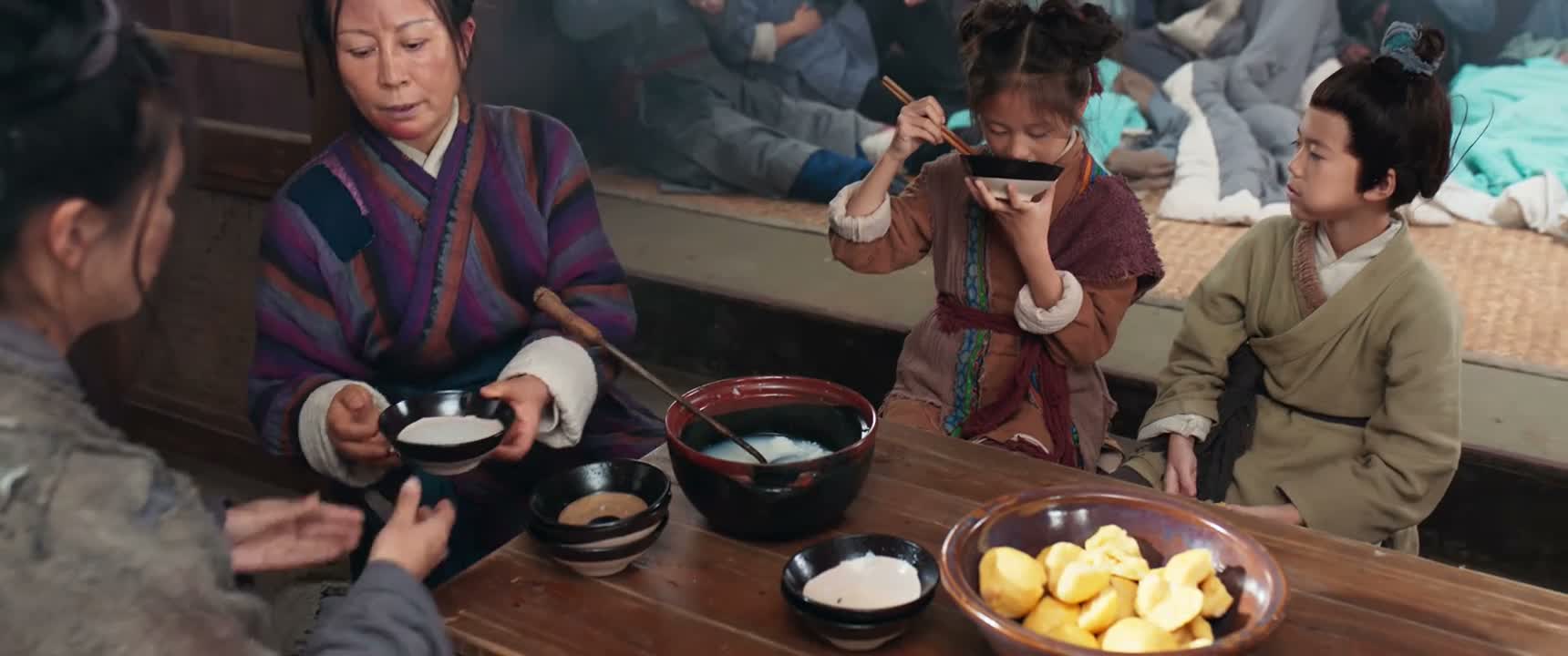
《Love Story in the 1970s》 S1·E4 (16:01)
HSK 4
nǐ nǐ kě tài bàng le
你 你可太棒了
“You're amazing!”
《Love Story in the 1970s》
S1·E4
TIMECODE: 16:01
·
1080P MASTER AUDIO
THE DIALOGUE REEL
[-1] PREVIOUS TURN
fāng mù yáng tóng zhì
方穆扬同志
“Fang Muyang.”
nǐ nǐ kě tài bàng le
CURRENT FOCUS
你 你 可太棒了
“You're amazing!”
[+1] FOLLOW-UP TURN
fèi ní tóng zhì
费霓同志
“Fei Ni.”
Subtitles synced to millisecond timecode
Browse Show Clips →
Scene:
Social & Dating
Function:
PRAISING
Tone:
ENTHUSIASTIC
Emotion:
ADMIRATION
WHAT THEY REALLY MEAN (PRAGMATIC SUBTEXT)
Direct spoken expression in this communicative setting.
💡 Cultural Insight: Mock-Bureaucratic Flirting
In historical or nostalgic Chinese contexts, couples playfully address each other as 'Tongzhi' (Comrade) to add humorous irony and affectionate intimacy to their praise.
INTENT TAGS:
#complimenting
#affection
#enthusiasm
#affirmation
🧩
1 CHUNKS · 1 PARTICLES
LEARNING CHUNKS & PARTICLES
可太棒了
SPOKEN CHUNK
simply fantastic; utterly wonderful
The pattern '可太...了' is used in Northern/Mandarin spoken Chinese to add strong emotional emphasis to praise or complaints.
Modal Particle「了」 (le)
CHANGE OF STATE
Functions as part of the superlative construction '可太...了' to reinforce the degree of admiration.
🏮
1 EXPR · 1 GRAMMAR
VOCABULARY & EXPRESSIONS
COLLOQUIAL EXPRESSIONS:
GRAMMAR BLUEPRINTS:
CROSS-CINEMA CORPUS BOARD · PARALLEL SCENES
EXPLORE BY SEMANTIC SIMILARITY
Parallel Spoken Cinema Scenes (语义近邻切片)


《Love Story in the 1970s》 S1·E4 (16:01) · Authentic Cinema Dialogue Corpus