你 你手没事吧
“Is your hand okay?”
THE DIALOGUE REEL
“I'm off. Bye. Consider my offer.”
你 你手 没事吧
“Is your hand okay?”
没事
“I'm okay.”
Direct spoken expression in this communicative setting.
Noticing small physical discomforts or injuries and asking '没事吧' is a fundamental way to display empathy and maintain interpersonal warmth in Chinese culture.
LEARNING CHUNKS & PARTICLES
Are you okay? / Is everything all right?
A highly common conversational formula used to inquire about someone's physical condition or general state after an incident.
Softens the inquiry into a gentle check-in and invites reassurance from the listener.
VOCABULARY & EXPRESSIONS
Parallel Spoken Cinema Scenes (语义近邻切片)
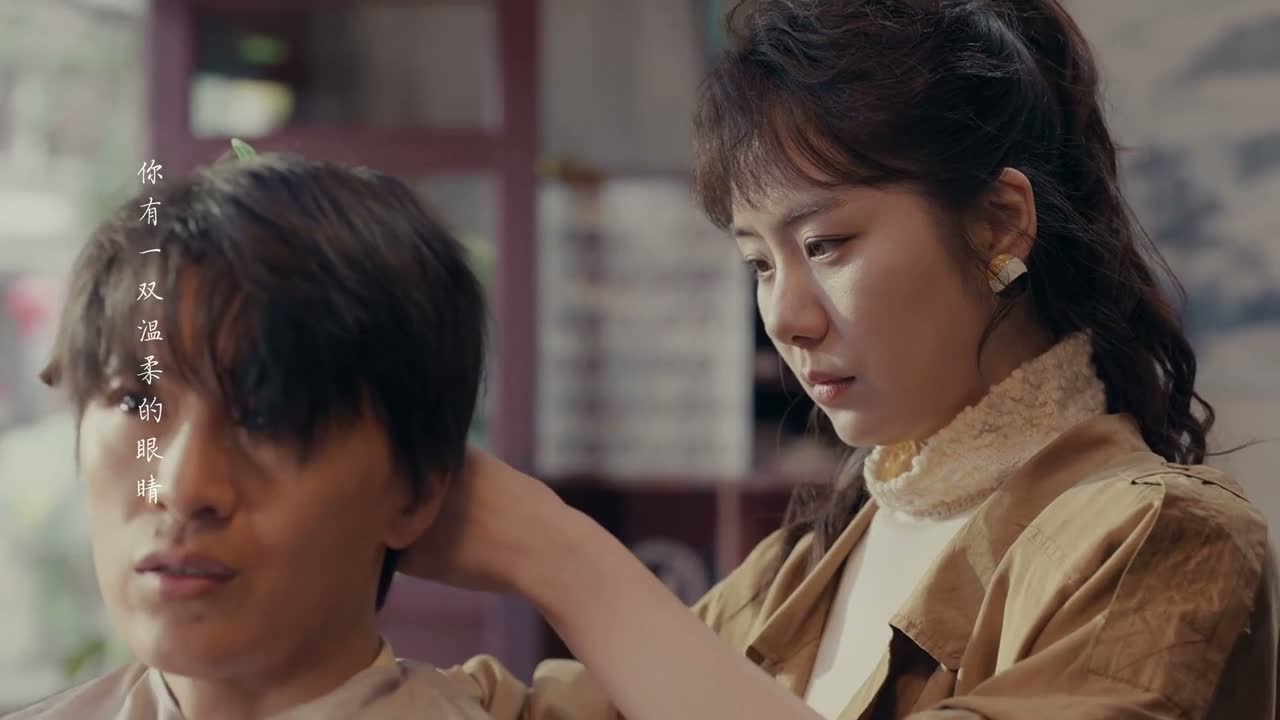
“Are you okay?”

“♪ The fireworks bear witness, as if ♪ It's fine. It's fine, really. How's your hand? ♪ they're waiting for the words we want to say ♪”

“Are you okay? I'm fine.”