你 你没事吧 没事没事没事
“Are you okay? I'm fine.”
THE DIALOGUE REEL
你 你没事吧 没事没事 没事
“Are you okay? I'm fine.”
你睡你的 我不冷
“Go to sleep. I'm not cold.”
“Don't worry about me, just pretend this awkward situation is fine.”
Politeness in close relationships often involves reflexively minimizing personal discomfort to avoid imposing a burden or guilt on the other party.
LEARNING CHUNKS & PARTICLES
Are you alright?
The standard spoken formula to check on someone's physical or emotional state after a mishap.
It's nothing; no problem at all
Repeating '没事' rapidly signals urgent reassurance or an attempt to deflect attention from oneself.
Softens the question into a gentle, tentative inquiry assuming everything might be alright.
VOCABULARY & EXPRESSIONS
Parallel Spoken Cinema Scenes (语义近邻切片)
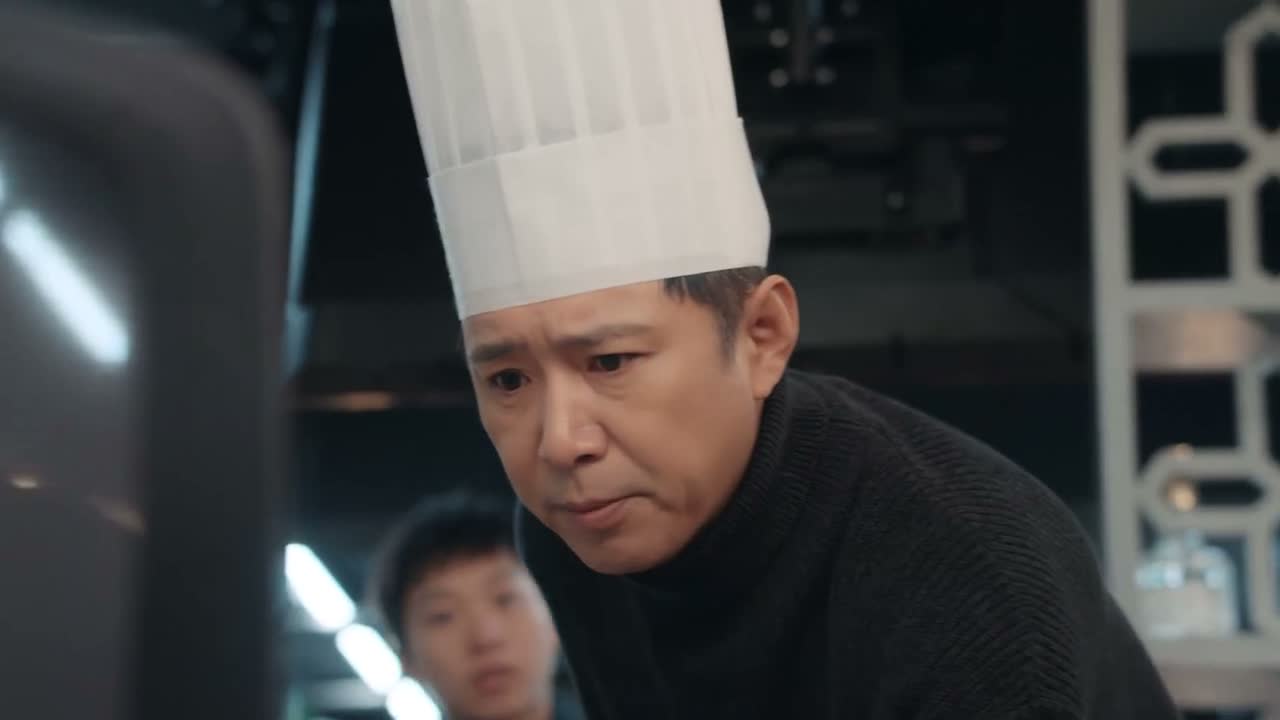
“Fei, are you all right? Don't be scared.”

“Madam, are you alright? Are you okay? I'm okay.”

“Are you okay? I'm fine.”

“No. Are you okay?”

“Are you alright? I'm fine.”

“Is your hand okay?”

“Are you alright? Are you alright?”