我才学会了弹钢琴
“That's how I learned to play the piano.”
THE DIALOGUE REEL
“Your grandma donated her piano to the school.”
我 才学会 了 弹钢琴
“That's how I learned to play the piano.”
想起来什么没
“Can you remember anything?”
Direct spoken expression in this communicative setting.
In earlier decades in China, learning an expensive Western instrument like the piano often depended entirely on exceptional family resources or institutional donations.
LEARNING CHUNKS & PARTICLES
only then managed to learn
The adverb '才' emphasizes that an action was achieved only after specific prior conditions were met, often implying delay or difficulty.
to play the piano
Standard verb-object collocation for playing keyboard instruments.
Indicates completion of the learning process or attainment of the skill.
VOCABULARY & EXPRESSIONS
Parallel Spoken Cinema Scenes (语义近邻切片)

“I'll teach you how to play the piano, okay?”
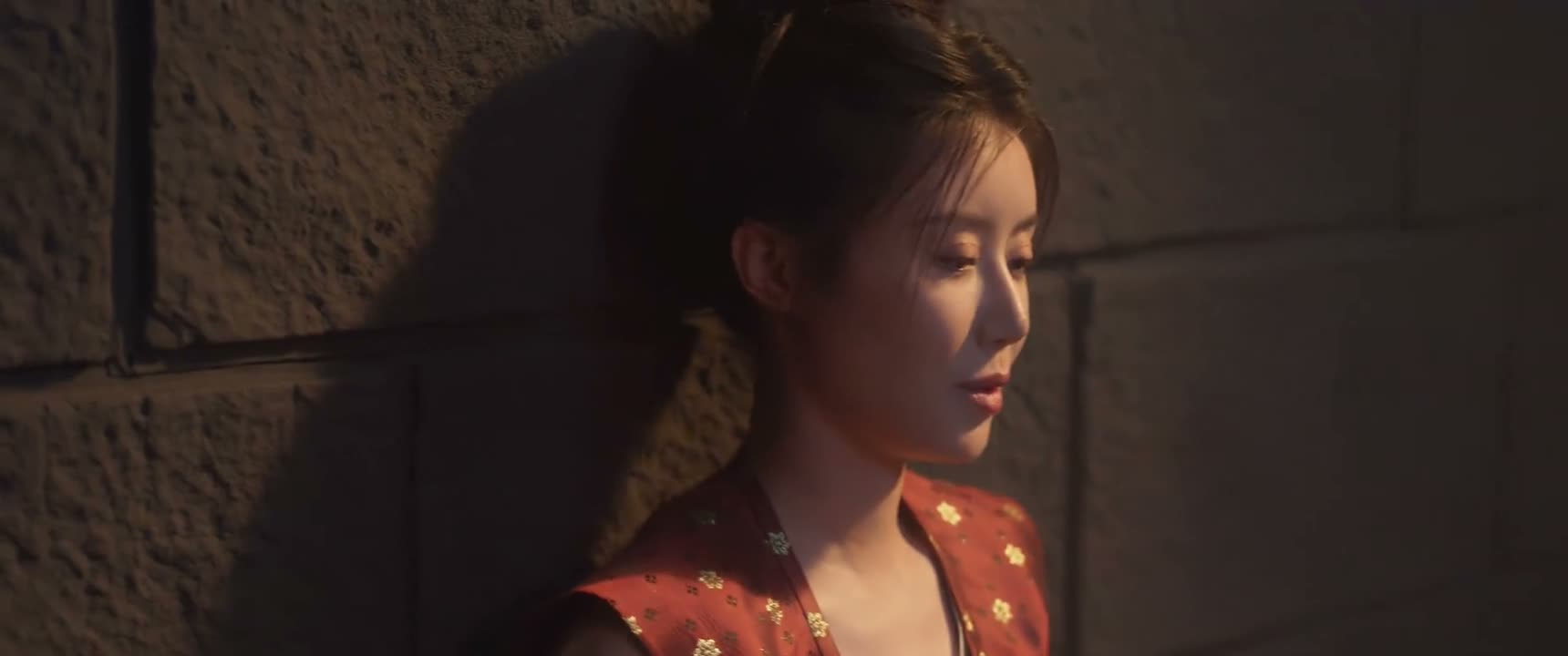
“I learned a lot from her.”
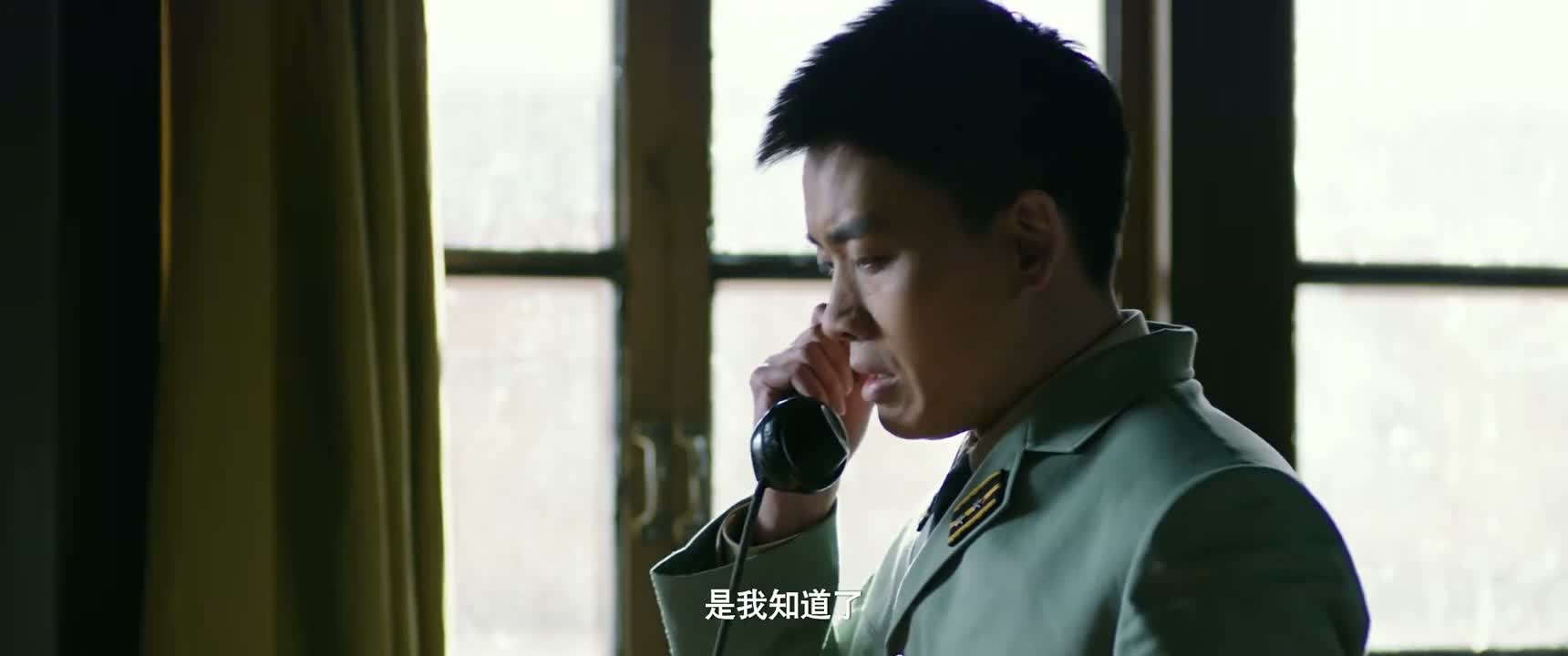
“Yes, I understand.”

“Teach me that. I'll take you as my teacher.”
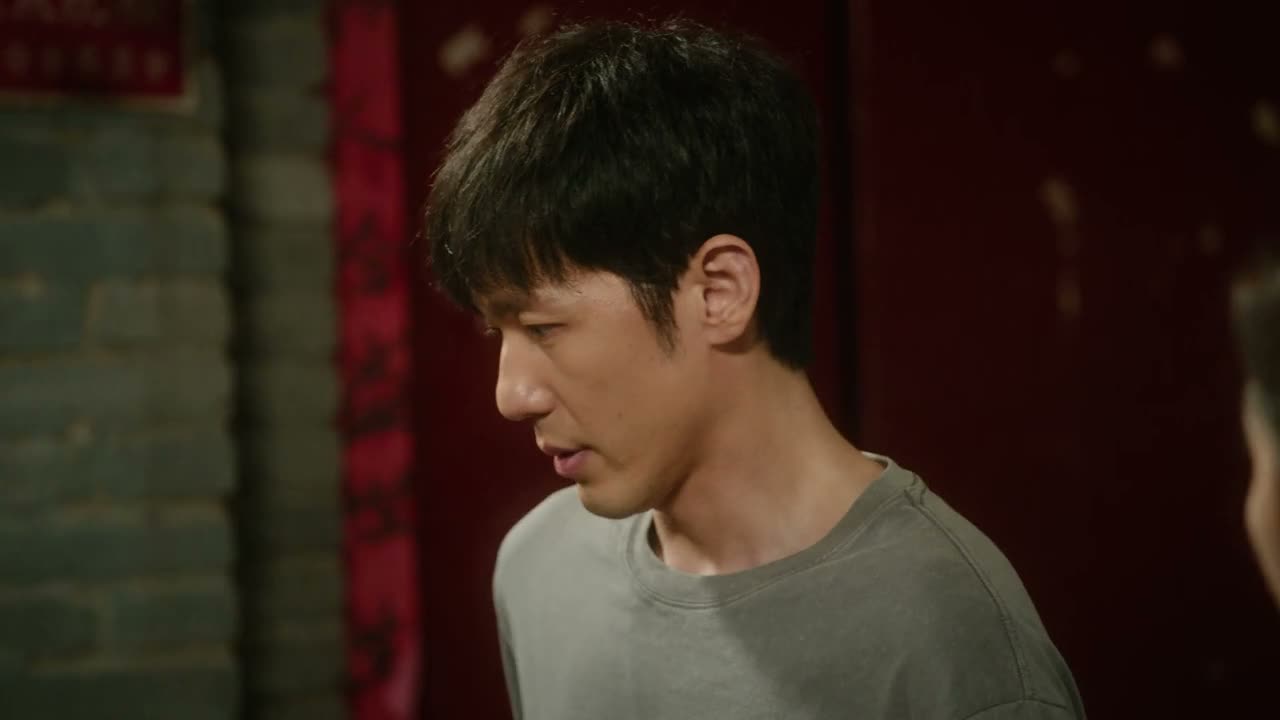
“He taught me a lesson.”

“- Of course. - Your phone number - Anyone can. - and the class you'd like to sign up.”