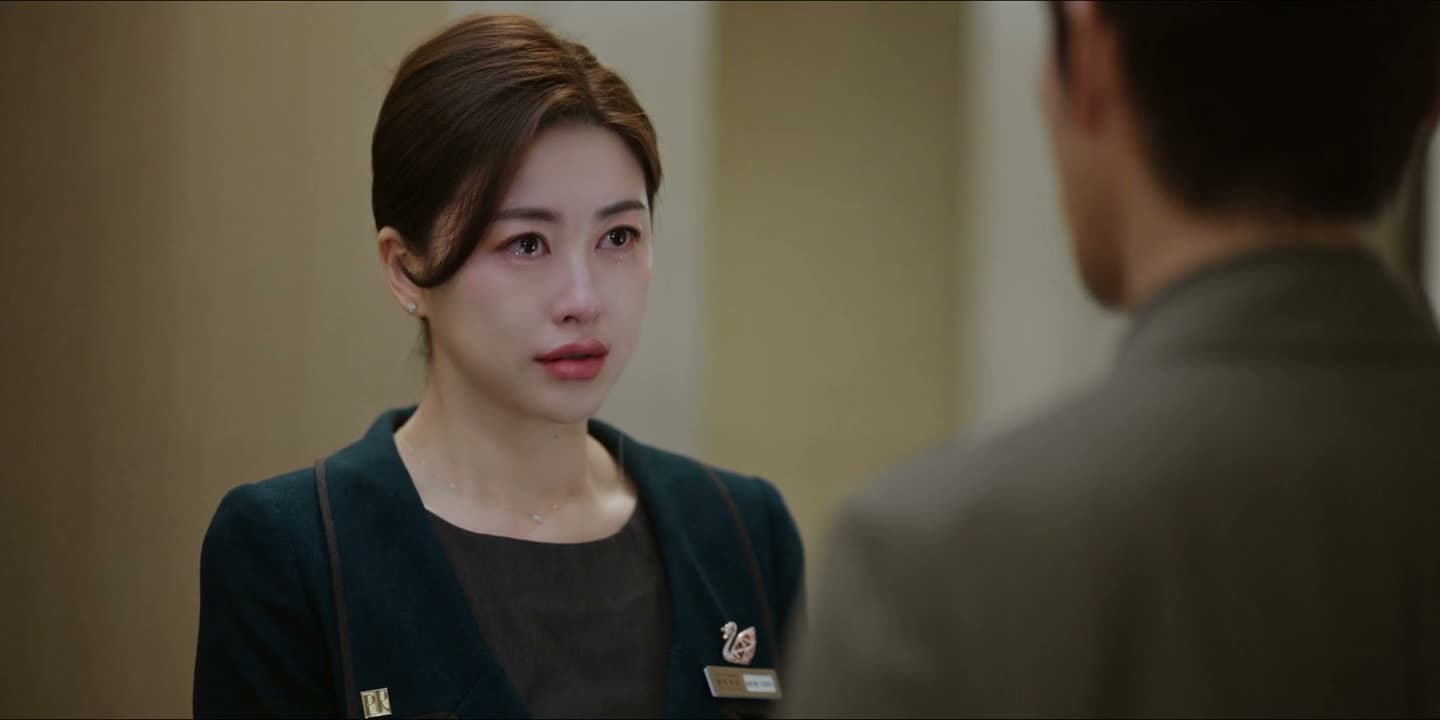
《Love Story in the 1970s》 S1·E4 (05:25)
HSK 5
wǒ yě jué de nǐ yǒu quán zhuī qiú zì jǐ de xìng fú
我也觉得你有权追求自己的幸福
“I think you have the right to pursue your own happiness.”
《Love Story in the 1970s》
S1·E4
TIMECODE: 05:25
·
1080P MASTER AUDIO
THE DIALOGUE REEL
[-1] PREVIOUS TURN
wǒ méi yǒu kàn bù qǐ nǐ
我没有看不起你
“I'm not looking down on you.”
wǒ yě jué de nǐ yǒu quán zhuī qiú zì jǐ de xìng fú
CURRENT FOCUS
我也觉得你 有权 追求自己的幸福
“I think you have the right to pursue your own happiness.”
[+1] FOLLOW-UP TURN
zhǐ shì bù néng shì zhè ge shí hòu nǐ duì fāng mù yáng bù wén bù wèn
“But this isn't the time to leave Fang Muyang alone.”
Subtitles synced to millisecond timecode
Browse Show Clips →
Scene:
Crisis & Conflict
Function:
CONCEDING BEFORE CRITICIZING
Tone:
DIPLOMATIC YET FIRM
Emotion:
DISAPPROVAL
WHAT THEY REALLY MEAN (PRAGMATIC SUBTEXT)
“You have a right to be happy, but what you are doing right now is selfish and cold-hearted.”
💡 Cultural Insight: Prioritizing Moral Duty over Individual Happiness
In traditional Chinese relational ethics, pursuing personal happiness at the expense of abandoning someone in need is viewed as morally unacceptable.
INTENT TAGS:
#concession
#moralizing
#preface
#judgment
🧩
2 CHUNKS · 0 PARTICLES
LEARNING CHUNKS & PARTICLES
追求自己的幸福
SPOKEN CHUNK
pursue one's own happiness
A common modern phrase used when discussing relationship choices or personal freedom.
有权
SPOKEN CHUNK
have the right to
Used to acknowledge someone's legitimate entitlement to make a choice.
🏮
2 EXPR · 0 GRAMMAR
VOCABULARY & EXPRESSIONS
COLLOQUIAL EXPRESSIONS:
CROSS-CINEMA CORPUS BOARD · PARALLEL SCENES
EXPLORE BY SEMANTIC SIMILARITY
Parallel Spoken Cinema Scenes (语义近邻切片)

《Love Story in the 1970s》 S1·E4 (05:25) · Authentic Cinema Dialogue Corpus