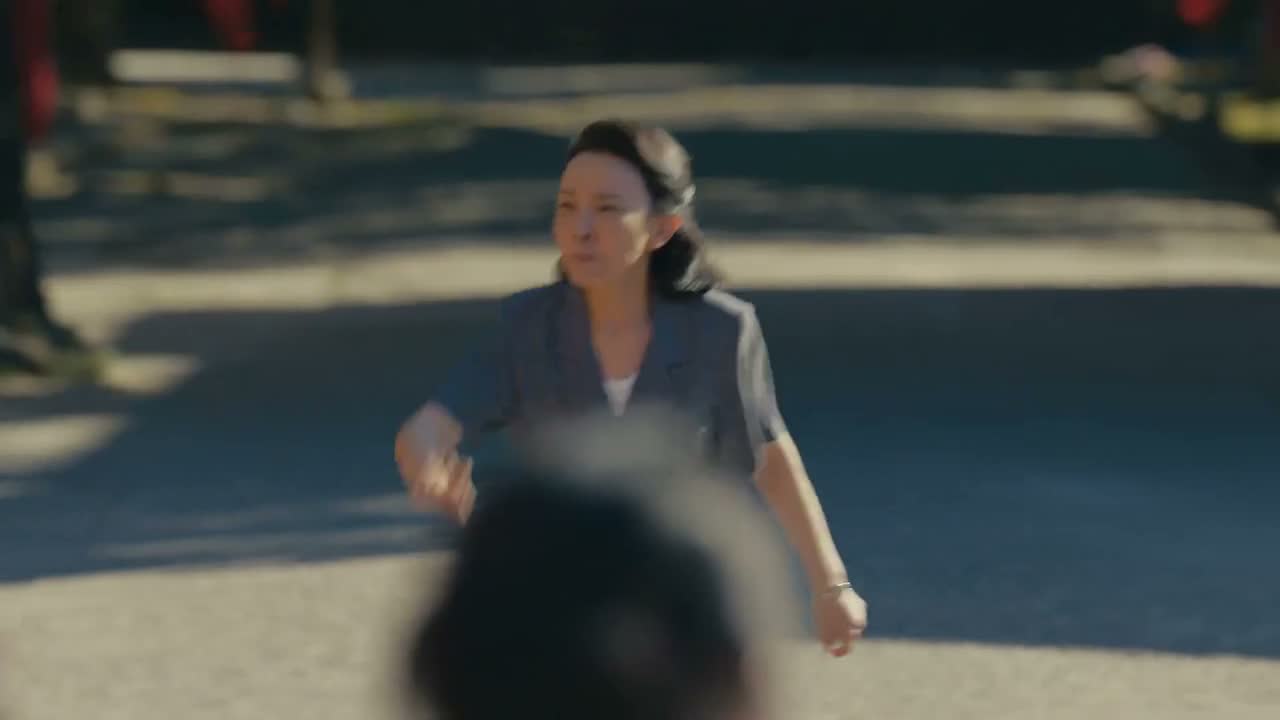
《The Lead》 S1·E17 (06:06)
HSK 4
bié qiāo le bié qiāo le xíng bù xíng
别敲了 别敲了行不行
“Stop it, will you?”
《The Lead》
S1·E17
TIMECODE: 06:06
·
1080P MASTER AUDIO
THE DIALOGUE REEL
[-1] PREVIOUS TURN
shén jīng bìng ba nǐ nǐ shǒu bù tīng shǐ huàn qiāo nà pò wǎn jiù tīng shǐ huàn le
神经病吧你 你手不听使唤 敲那破碗就听使唤了
“You're crazy. Your hand won't obey you, but it works fine for that bowl?”
bié qiāo le bié qiāo le xíng bù xíng
CURRENT FOCUS
别敲了 别敲了 行不行
“Stop it, will you?”
[+1] FOLLOW-UP TURN
bié qiāo le
别敲了
“Just stop it.”
Subtitles synced to millisecond timecode
Browse Show Clips →
Scene:
Crisis & Conflict
Function:
DEMANDING CESSATION
Tone:
IMPATIENT
Emotion:
IRRITATION
WHAT THEY REALLY MEAN (PRAGMATIC SUBTEXT)
“Shut up and stop that maddening noise before I completely lose my temper!”
💡 Cultural Insight: Rhetorical Questioning as Escalation
Using questions like '行不行' in heated Chinese arguments acts as a blunt conversational stopper signaling near-complete loss of patience.
INTENT TAGS:
#pleading
#demanding
#irritation
#urging_cessation
🧩
1 CHUNKS · 1 PARTICLES
LEARNING CHUNKS & PARTICLES
行不行
SPOKEN CHUNK
is it okay / will you do that
Attached to a demand to express impatience, pleading, or an ultimatum rather than asking a genuine question.
Modal Particle「了」 (le)
CHANGE OF STATE
Marks the cessation of an ongoing action when combined with '别' (stop doing it).
🏮
2 EXPR · 0 GRAMMAR
VOCABULARY & EXPRESSIONS
COLLOQUIAL EXPRESSIONS:
CROSS-CINEMA CORPUS BOARD · PARALLEL SCENES
EXPLORE BY SEMANTIC SIMILARITY
Parallel Spoken Cinema Scenes (语义近邻切片)
《The Lead》 S1·E17 (06:06) · Authentic Cinema Dialogue Corpus