情况不一样了 那今非昔比了
“Things are different now. It's not like it used to be.”
THE DIALOGUE REEL
可是现在娃
“but now, the kid...”
情况不一样了 那 今非昔比 了
“Things are different now. It's not like it used to be.”
“She's our leading performer now.”
“Times have changed, so stop treating them like a nobody.”
In traditional Chinese performance troupes and state work units, becoming a core pillar ('taizhuzi') radically shifts bargaining power and demands immediate social deference.
LEARNING CHUNKS & PARTICLES
the situation has changed
A common spoken phrase used to set up a new reality or dismiss past assumptions.
the present cannot compare to the past; times have changed dramatically
An idiomatic chengyu frequently used to describe someone's drastic rise in fortune or status.
Indicates a completed change of state, emphasizing that past rules no longer apply.
VOCABULARY & EXPRESSIONS
Parallel Spoken Cinema Scenes (语义近邻切片)
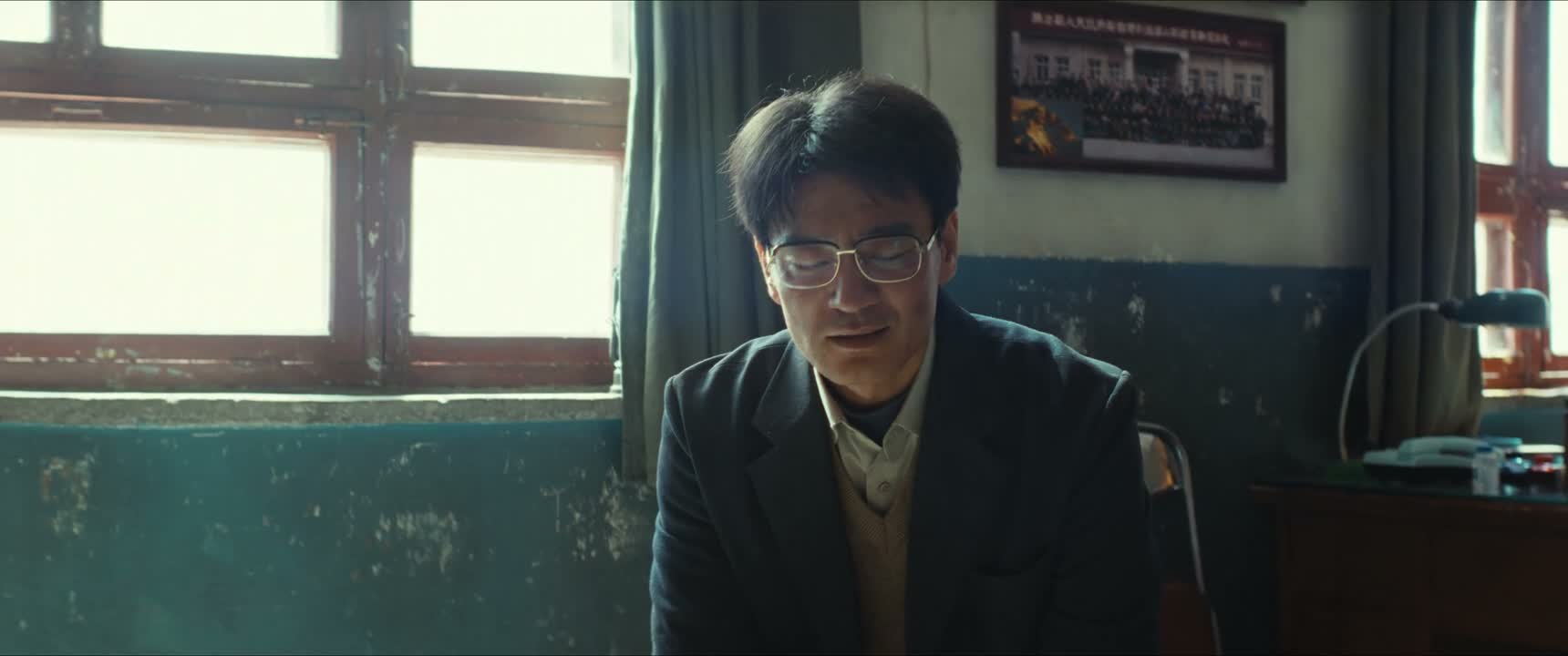
“But now, things are different from before.”
“you've really changed.”

“I'm different now.”

“is different now. It's no longer a small restaurant”
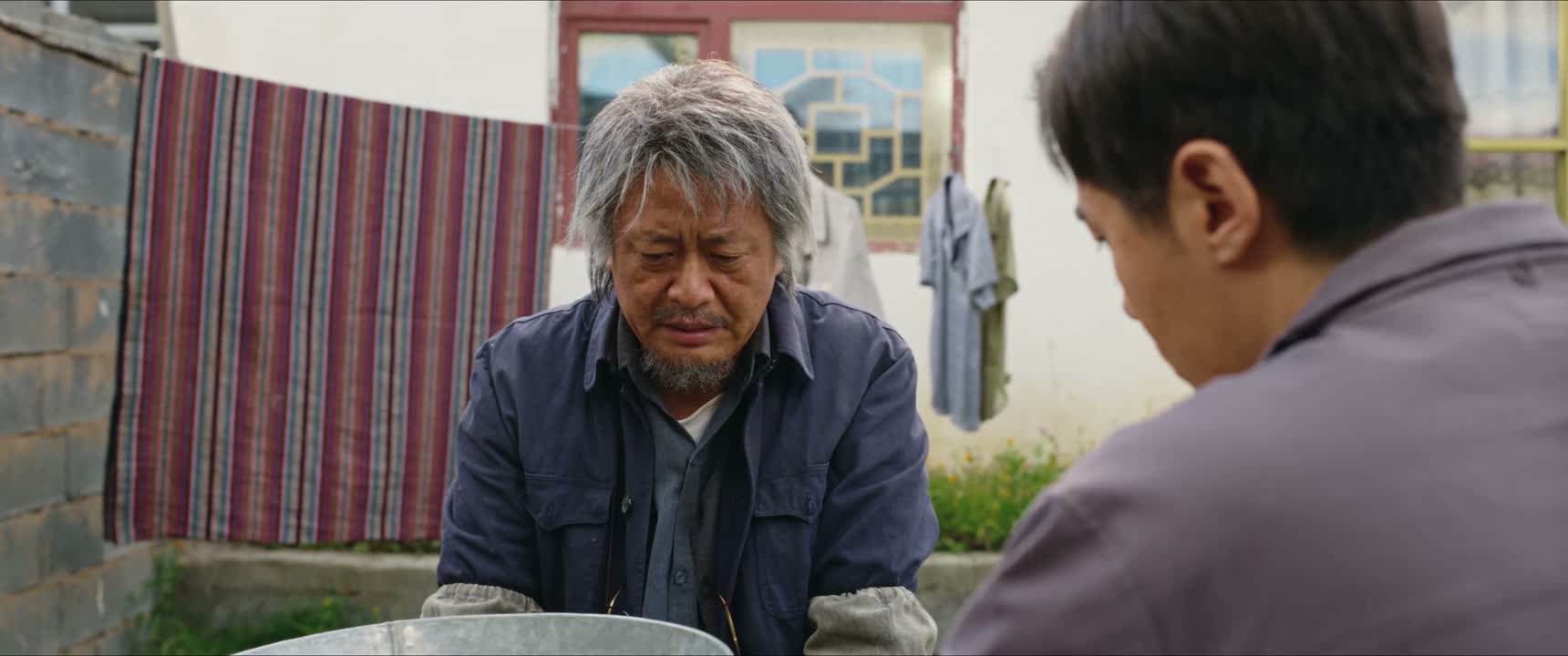
“Things are really different now?”