MC
MandarinClips Cinema Corpus
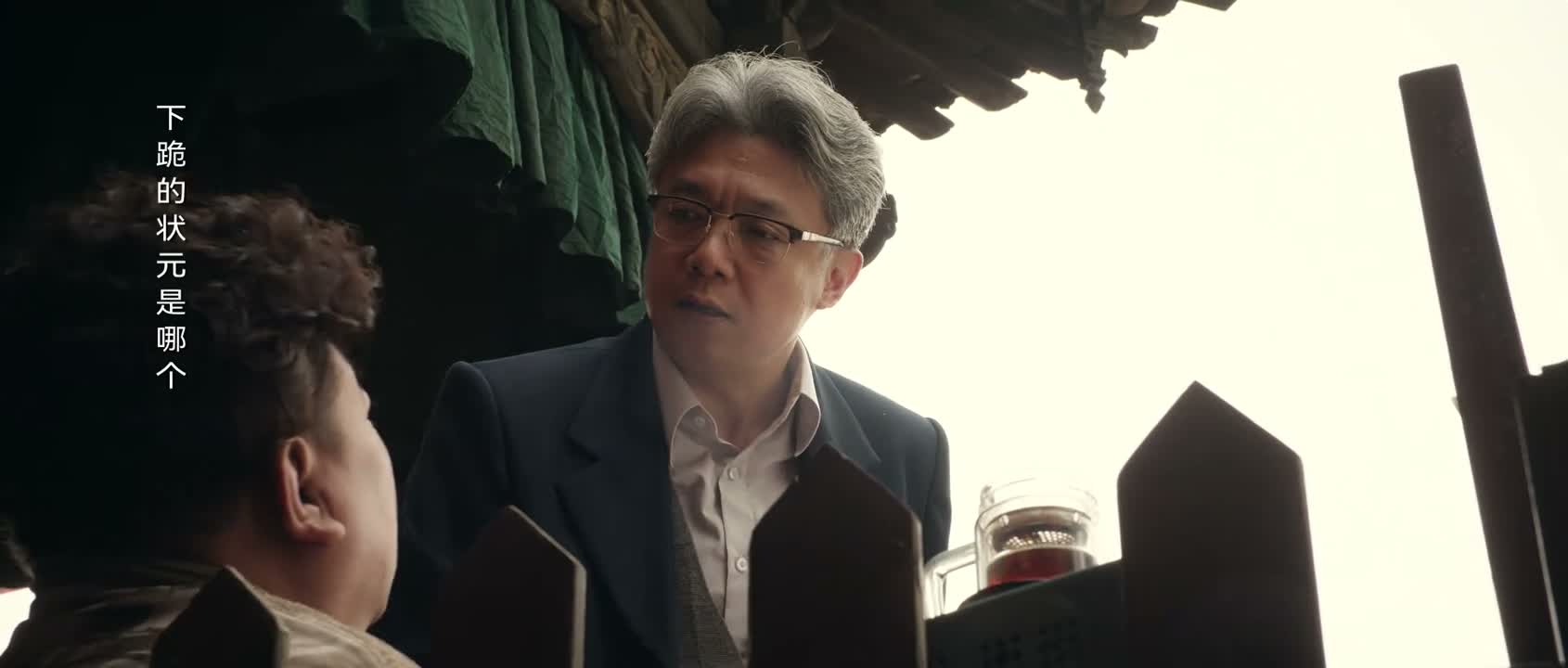
《The Lead》 S1·E21 (04:58) HSK 2
zǎ le nǐ shá yì si

咋了 你啥意思

“- What is it? - What do you mean?”

《The Lead》 S1·E21
TIMECODE: 04:58 · 1080P MASTER AUDIO

THE DIALOGUE REEL

1+1+1 SPOKEN CONTINUITY
[-1] PREVIOUS TURN wǒ wǒ jué de zán men liǎ bù néng xiè dài jiù dé duō liàn fēng xiāo xiāo

“I think we can't slack off. - We need practice. - Feng Xiaoxiao!”

zǎ le nǐ shá yì si CURRENT FOCUS

咋了 你 啥意思

“- What is it? - What do you mean?”

[+1] FOLLOW-UP TURN shén me wǒ shá yì si nǐ wèi shá yào gēn wǒ nà me yǎn

“What are you talking about? Why did you act like that with me?”

Subtitles synced to millisecond timecode Browse Show Clips →
Scene: Workplace
Function: DEMANDING EXPLANATION
Tone: CONFRONTATIONAL
Emotion: DEFENSIVENESS
WHAT THEY REALLY MEAN (PRAGMATIC SUBTEXT)
“Why are you calling me out? What problem do you have with me?”
💡 Cultural Insight: Direct Confrontation vs. Harmony

While Chinese communication often values harmony and indirectness, among close peers or frustrated colleagues, phrases like '你啥意思' drop all diplomatic veneer to demand total transparency.

INTENT TAGS: #confrontation #defensiveness #probing #directness
🧩

LEARNING CHUNKS & PARTICLES

2 CHUNKS · 1 PARTICLES
咋了 SPOKEN CHUNK

what's wrong / what's up

A highly colloquial Northern dialect variant of 怎么了, commonly used in everyday speech.

你啥意思 SPOKEN CHUNK

what do you mean / what are you getting at

Often carries a defensive or combative undertone, challenging the other person's hidden intentions.

Modal Particle「了」 (le) CHANGE OF STATE

Combined with 咋 to mark a sudden change of state or question an emerging situation.
🏮

VOCABULARY & EXPRESSIONS

2 EXPR · 0 GRAMMAR
CROSS-CINEMA CORPUS BOARD · PARALLEL SCENES

Parallel Spoken Cinema Scenes (语义近邻切片)

EXPLORE BY SEMANTIC SIMILARITY
《The Lead》 S1·E21 (04:58) · Authentic Cinema Dialogue Corpus