怎么是我把她变成这样
“What makes you think that I turned her into such a person?”
THE DIALOGUE REEL
最后却要抛弃她
“now you want to abandon her.”
怎么是我 把她 变成这样
“What makes you think that I turned her into such a person?”
妈
“Mom,”
“Don't pin all the blame on me; I'm not responsible for how she turned out!”
In Chinese domestic conflicts, accusations of abandonment often carry heavy ethical weight regarding duty and emotional responsibility.
LEARNING CHUNKS & PARTICLES
how come it's me; why is it on me
A rhetorical question structure used to express indignation when being unfairly singled out or blamed.
turn out like this; become this way
Commonly used to describe a person or situation that has deteriorated into an undesirable state.
VOCABULARY & EXPRESSIONS
Parallel Spoken Cinema Scenes (语义近邻切片)
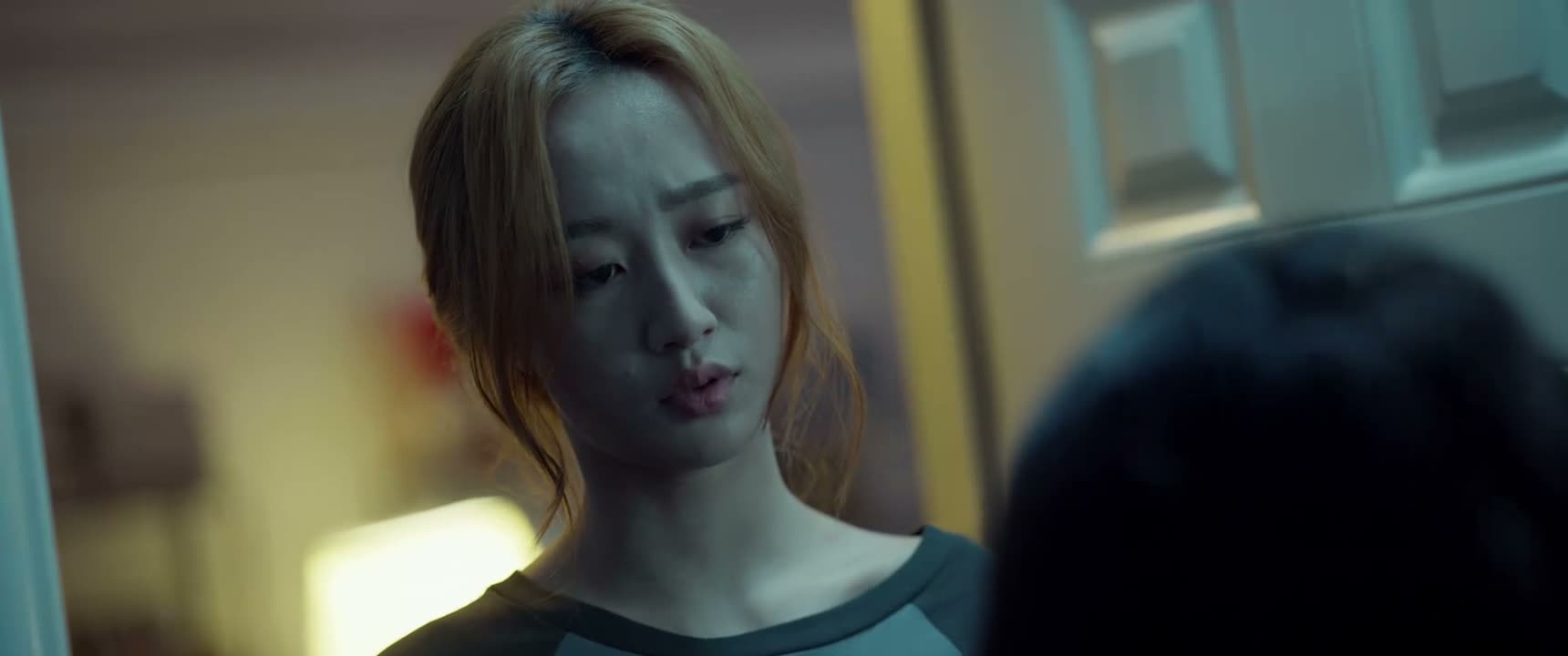
“Have you ever thought why things got like this?”
“(Actually, I can tell why she did so.)”
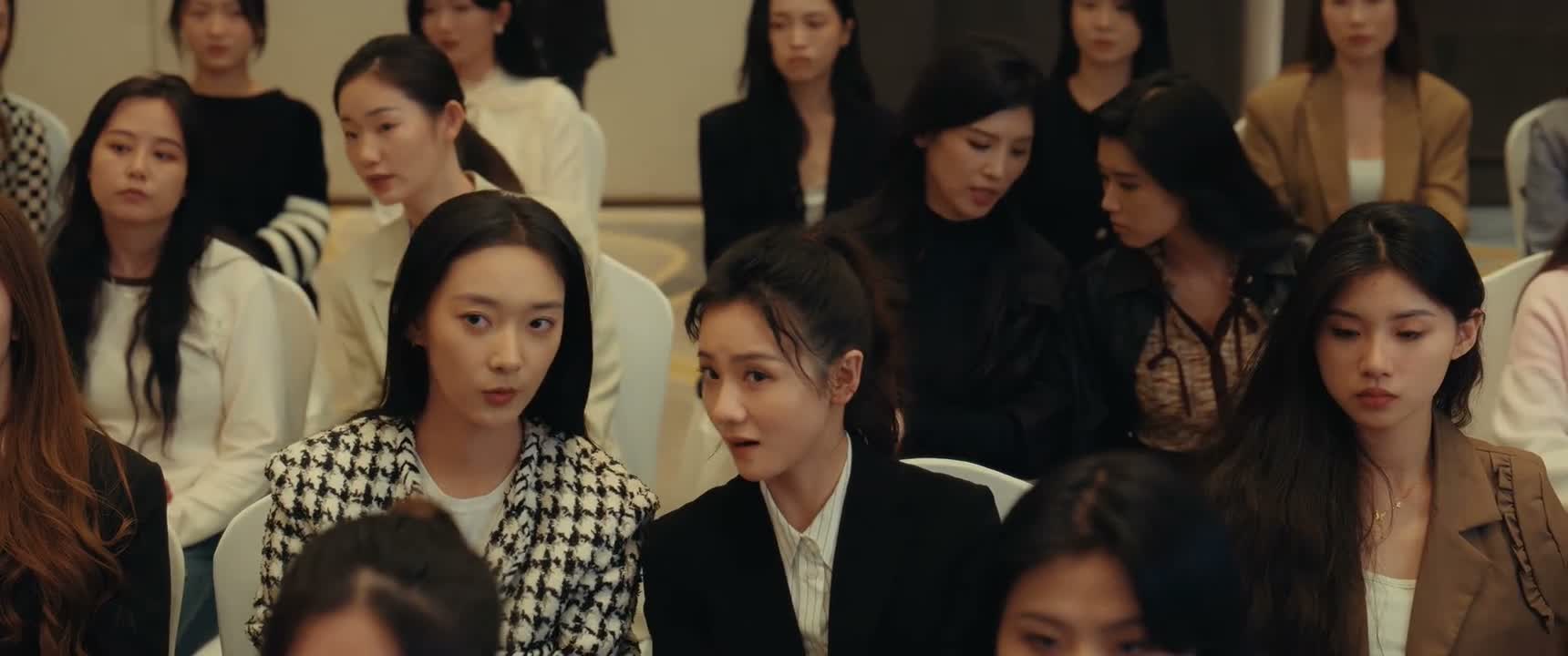
“(I want to be a woman like her.)”

“How did it end up like this? Why did you do this?”