为什么会变成这样你想过吗
“Have you ever thought why things got like this?”
THE DIALOGUE REEL
然后呢
“And then what?”
为什么会 变成这样 你 想过吗
“Have you ever thought why things got like this?”
“You've been hiding everywhere all this time.”
“Stop pretending to be innocent; you caused this mess and you need to face it.”
In Chinese moral culture, demanding that someone reflect ('xiangguo ma' / 'fansheng') is a strong rhetorical move that shifts the burden of fault directly onto the listener.
LEARNING CHUNKS & PARTICLES
why did it end up like this / how did things get to this point
Commonly used in serious dramatic moments to express dismay over a deteriorating situation or broken relationship.
have you ever thought about it?
Used as a rhetorical challenge to force someone to consider their own faults or negligence.
Forms a direct question that acts as a challenging, rhetorical prompt.
VOCABULARY & EXPRESSIONS
Parallel Spoken Cinema Scenes (语义近邻切片)

“What makes you think that I turned her into such a person?”

“[Three days later] How did this happen?”

“How did you become like this?”

“Why have you become like this?”
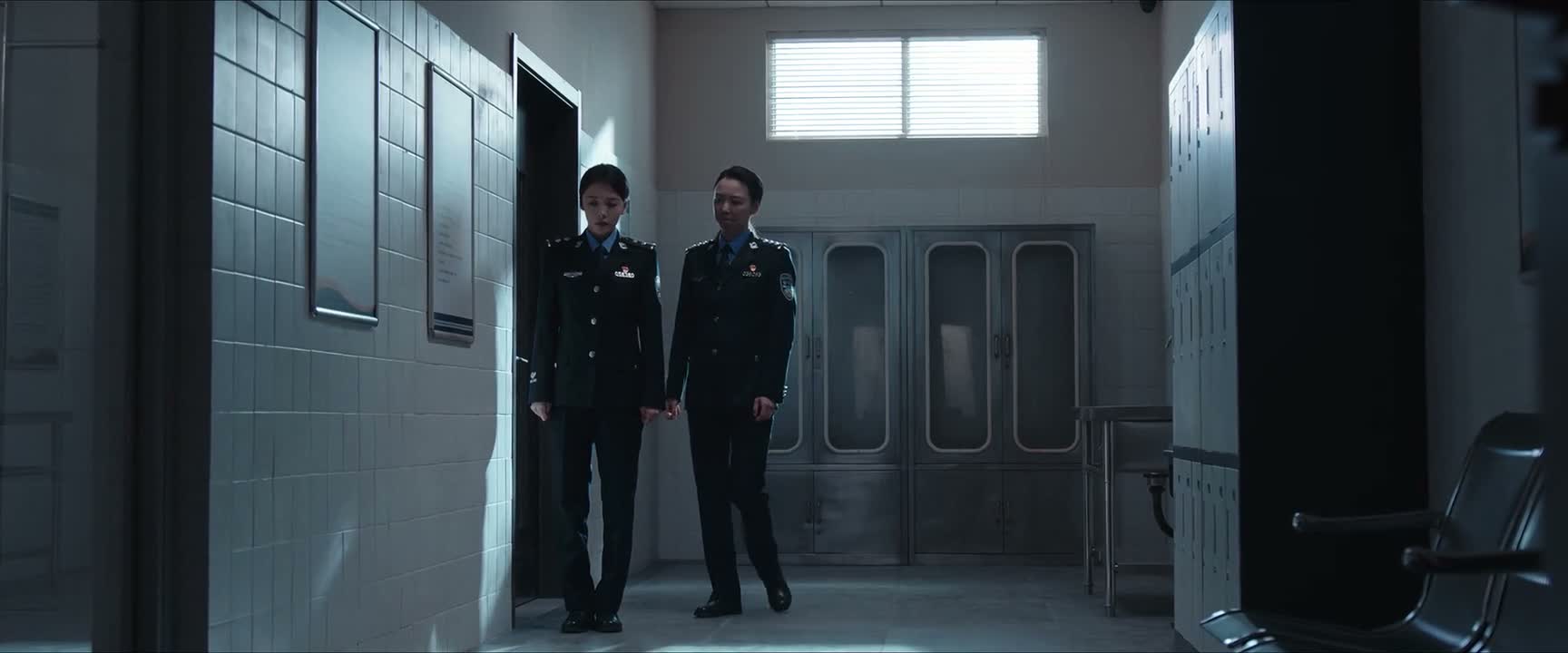
“Why did you turn out like this?”

“I've got a son like this!”

“How did you become like this?”

“How did this happen?”

“How did she become so powerful?”
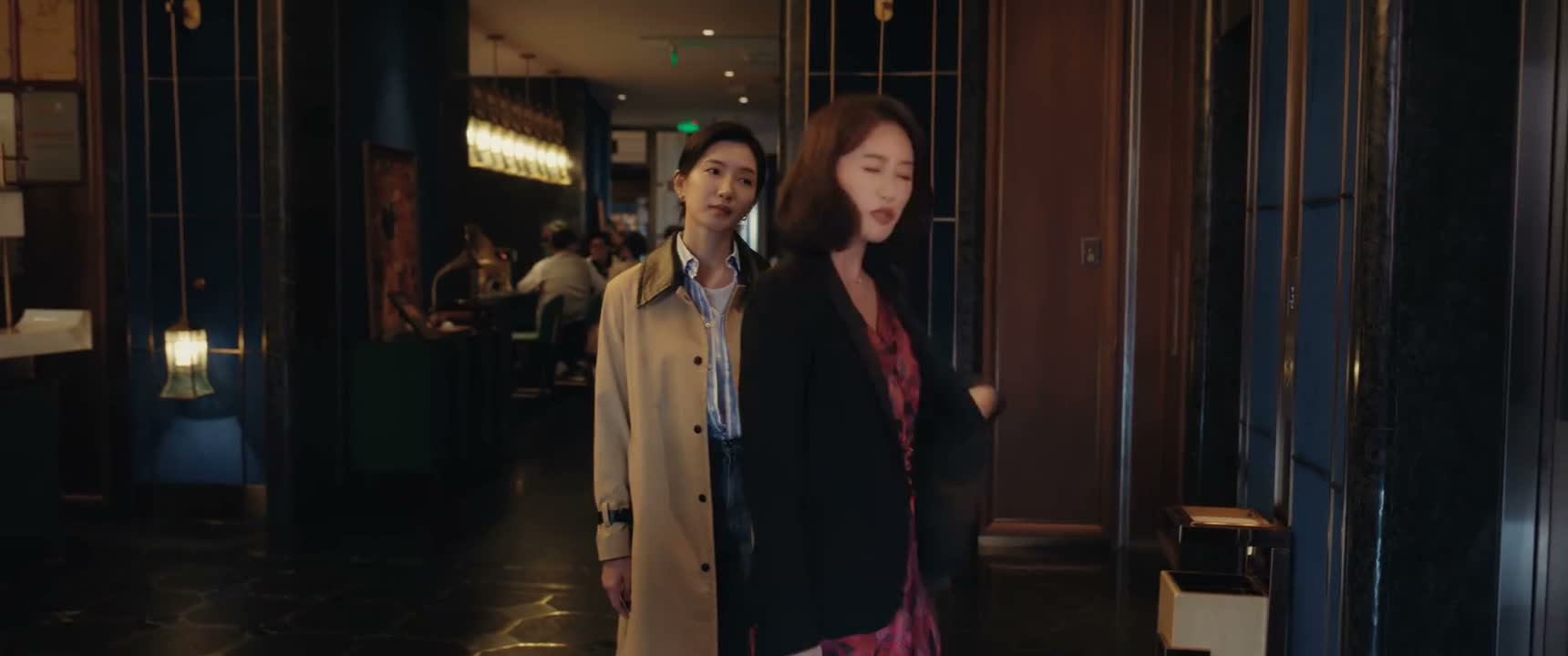
“How did he turn out like this?”

“Why has he become like this?”

“How... How did it become like this?”

“How did you become like this?”