怎么能变成这样呢
“How did this happen?”
THE DIALOGUE REEL
真想不通
“I really don't understand.”
怎么能变成这样 呢
“How did this happen?”
你能不能给个其他反应
“Couldn't you react differently?”
“I cannot believe things fell apart to this extent.”
Rhetorical questions starting with '怎么能' are frequently used in Chinese drama to heighten tragedy and evoke moral indignation over sudden shifts in relationships.
LEARNING CHUNKS & PARTICLES
how could it possibly
Used in rhetorical questions to express disbelief and moral or emotional objection.
turn out like this
Standard phrase to lament an undesirable transformation or negative outcome.
Softens the rhetorical question while sustaining an inquiring, perplexed tone.
VOCABULARY & EXPRESSIONS
Parallel Spoken Cinema Scenes (语义近邻切片)

“I've got a son like this!”

“How did you become like this?”
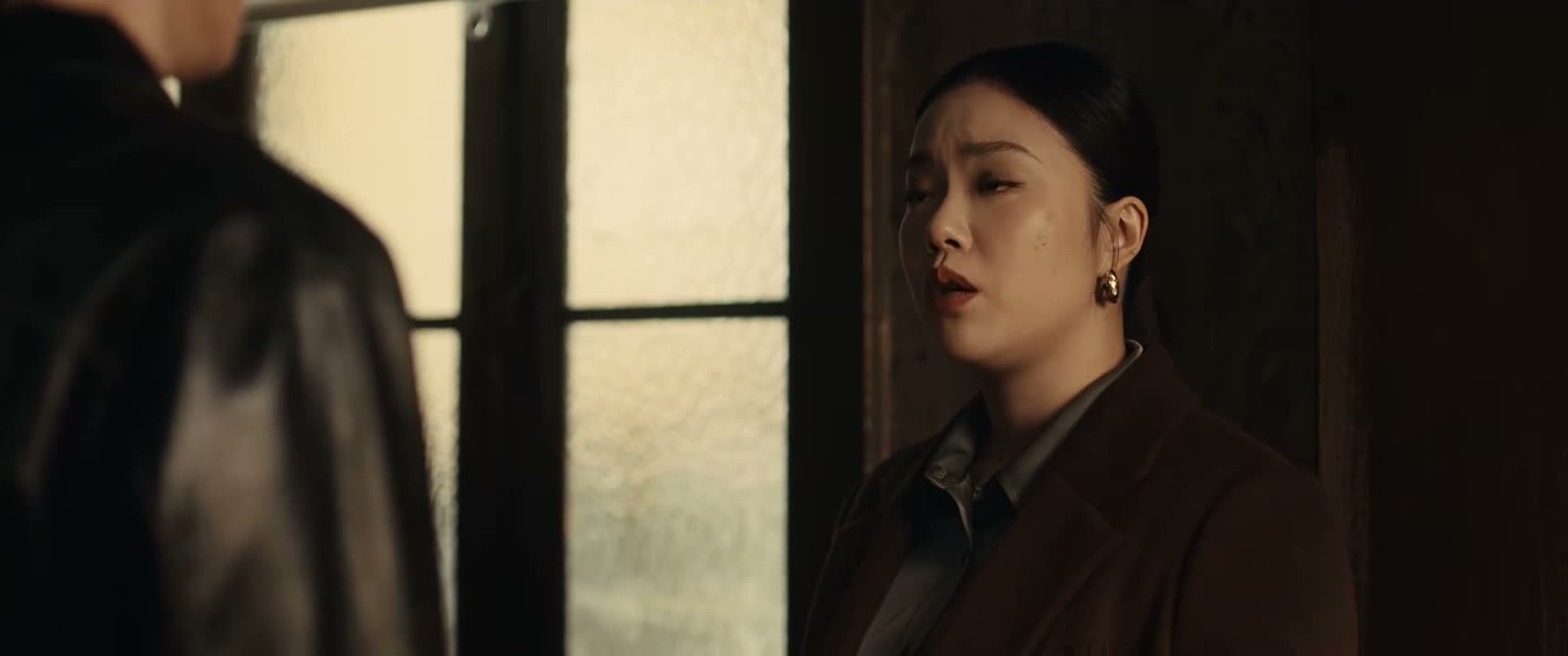
“Why did things become like this after marriage?”
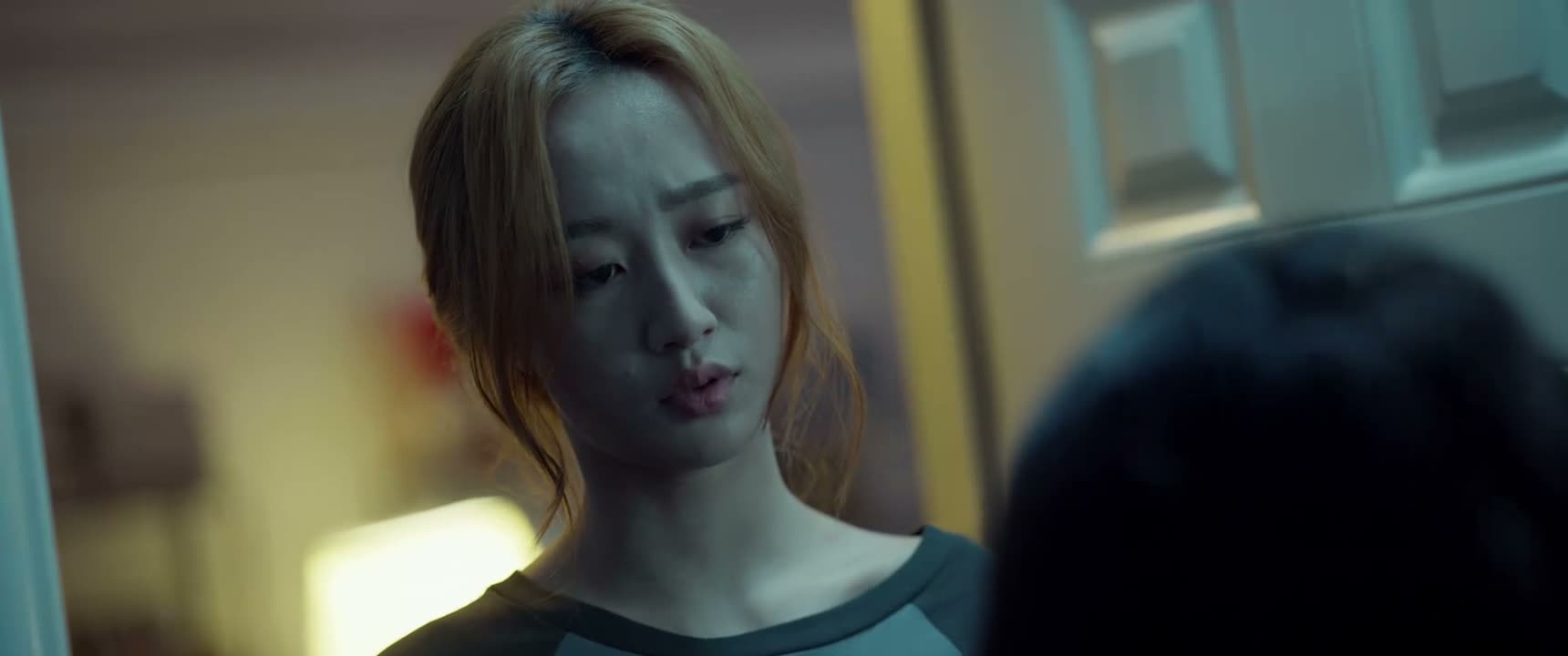
“Have you ever thought why things got like this?”
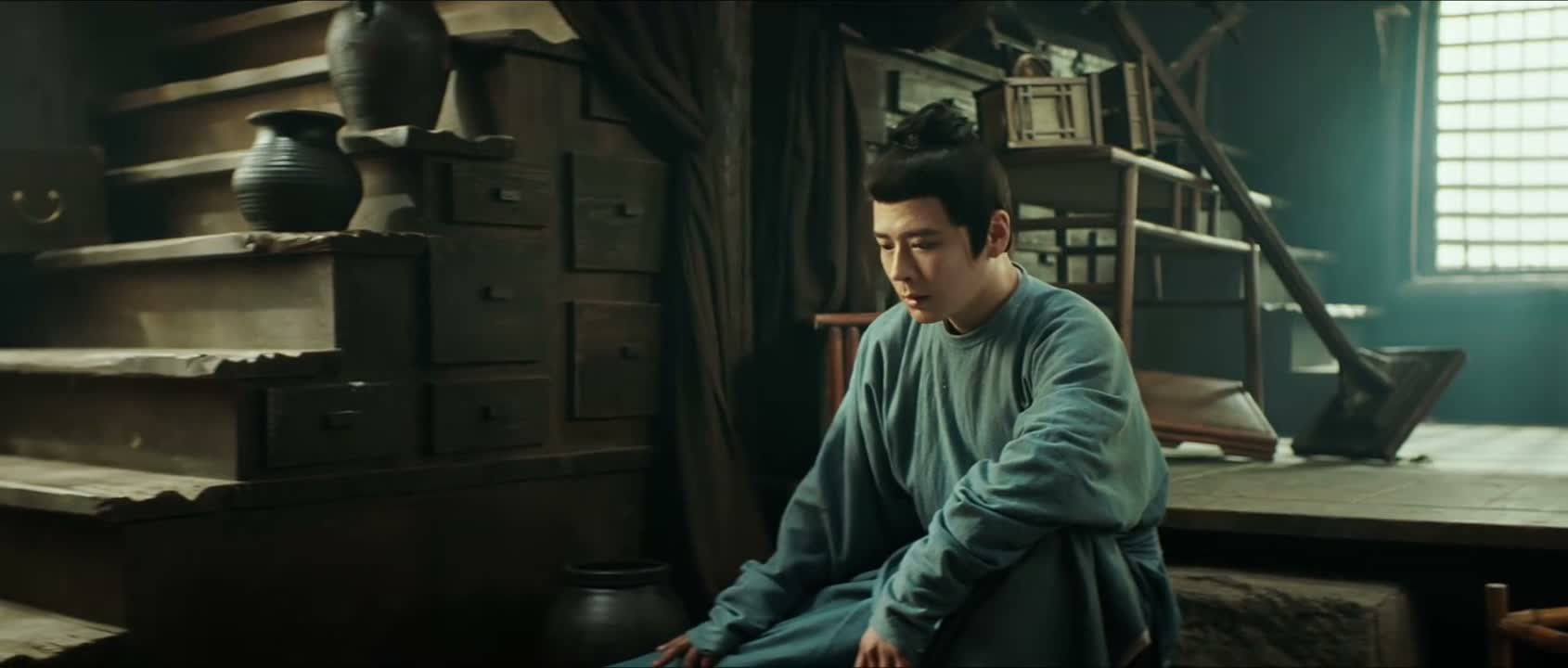
“would fall so low”

“How did it end up like this? Why did you do this?”

“Why have you become like this?”

“Why has he become like this?”