发现对面的门大开着
“she found the door opposite wide open.”
THE DIALOGUE REEL
“but was too scared to go check. When she looked out,”
发现 对面的门 大开着
“she found the door opposite wide open.”
“She went inside and discovered Zhao Sihui murdered,”
Direct spoken expression in this communicative setting.
In Chinese investigative reports, static spatial details like an open door are highlighted as key narrative pivots that break normal residential privacy and signal foul play.
LEARNING CHUNKS & PARTICLES
Standing wide open
Combines the prefix '大' (wide) with the stative aspect marker '着' to describe an unusual state of openness.
The door across / opposite door
A common spatial phrase used to describe residential layout in apartments.
Aspect particle indicating the ongoing static state of the open door.
VOCABULARY & EXPRESSIONS
Parallel Spoken Cinema Scenes (语义近邻切片)

“and opened the door by mistake.”

“If he doesn't open, we'll pry it open.”

“Before the gate was open.”
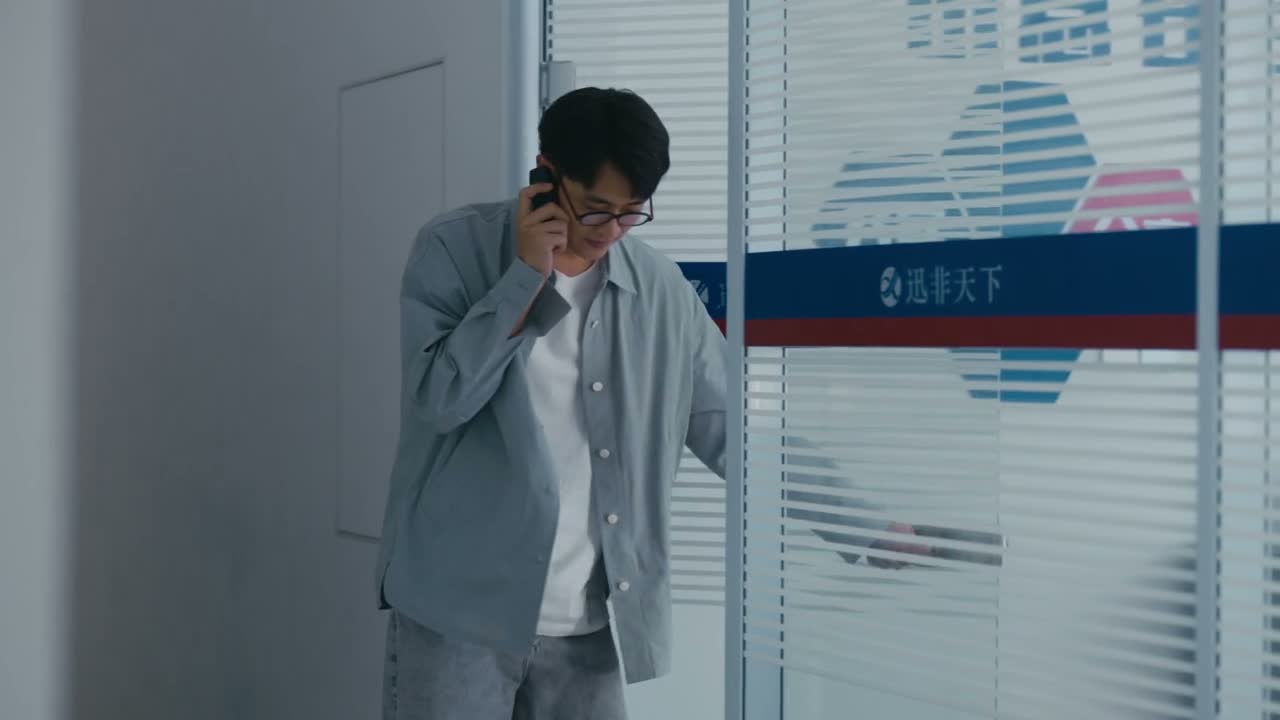
“He's even closing the door.”

“Yes. I kicked the door open.”
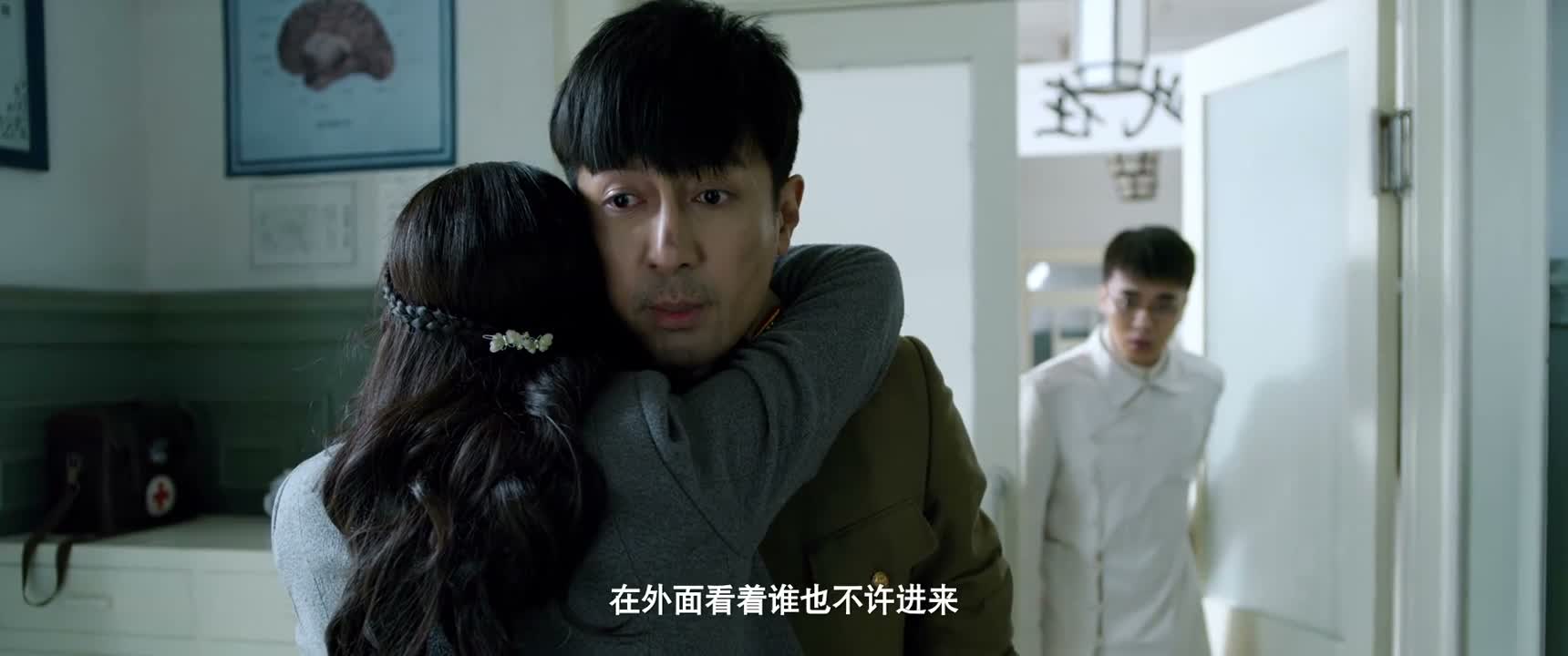
“Watch the outside, don't let anyone in.”