二人发生激烈争吵后不欢而散
“They had a heated argument and parted on bad terms.”
THE DIALOGUE REEL
与庞辅良在书房密谈 向其索要十方客栈
“had a private conversation with Pang Fuliang in his study, demanding the Shifang Inn from him.”
二人发生激烈争吵后 不欢而散
“They had a heated argument and parted on bad terms.”
行凶人知道覃夫人嗜酒 借机在酒中
“The killer knew Madam Qin was fond of drinking, so they took the opportunity”
Direct spoken expression in this communicative setting.
Chinese deductive discourse frequently uses precise four-character idioms like '不欢而散' to quickly establish motives and interpersonal tension.
LEARNING CHUNKS & PARTICLES
to part on bad terms or break up unpleasantly
A common four-character idiom used to describe meetings, parties, or conversations ending in disagreement or tension.
to have a fierce argument
A formal collocation widely used in storytelling, news reporting, or legal case descriptions.
VOCABULARY & EXPRESSIONS
Parallel Spoken Cinema Scenes (语义近邻切片)

“The two of us have argued a lot about work.”

“We argued endlessly”

“You two aren't fighting,”
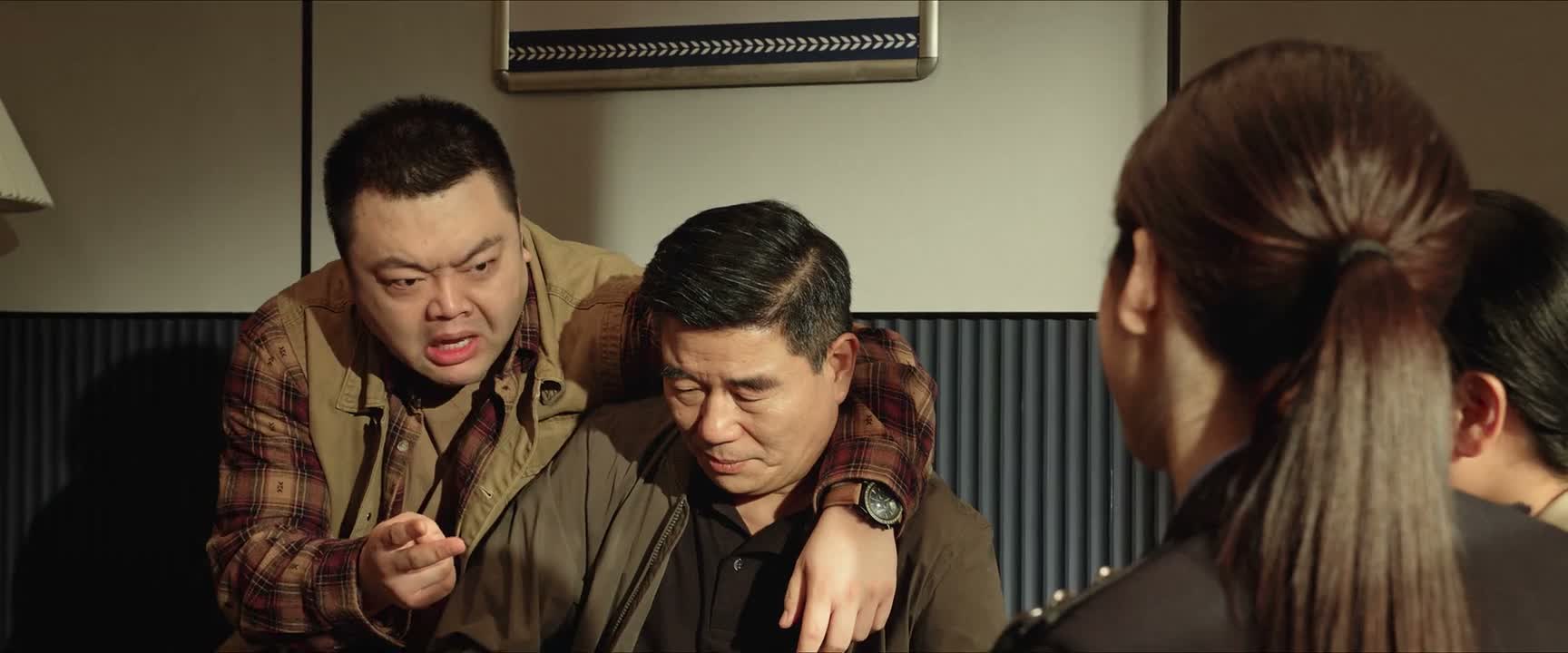
“if a couple never has a fight,”

“around you. How come there's no argument between both of you?”

“So they began arguing nonstop and breaking up constantly.”

“And you'd just had a heated confrontation.”